Electrical Tips for Voice-Controlled Homes by an Electrician
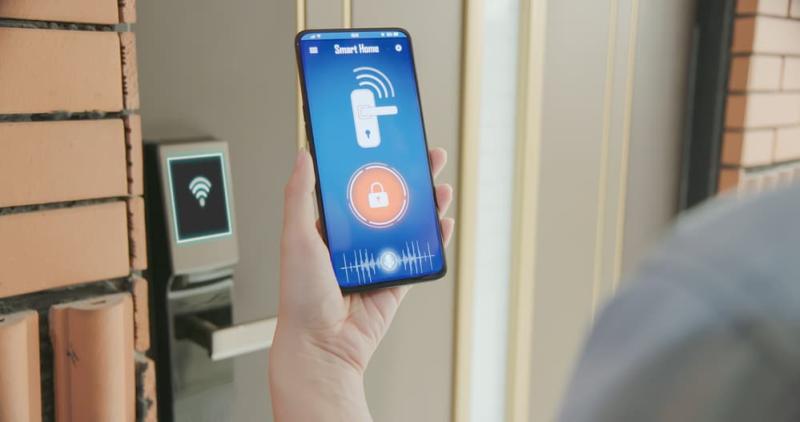
Voice-controlled homes are no longer a futuristic concept—they are becoming a common feature in modern living spaces. With the rise of smart speakers, automated lighting, voice-activated security systems, and interconnected appliances, homeowners are embracing the ease and convenience of hands-free control. However, behind the scenes, these systems rely heavily on proper electrical planning. Without the right infrastructure, even the most advanced smart devices can underperform or become unreliable.
Understanding the essential electrical considerations for voice-controlled homes is crucial for ensuring seamless integration, safety, and long-term functionality. From wiring upgrades to strategic outlet placement, here are the key factors homeowners should keep in mind.
1. Ensuring a Strong and Stable Electrical Foundation
Before incorporating voice-controlled technologies, homeowners must ensure that their electrical systems can support the demand. Many smart devices require consistent power, and some need dedicated circuits to prevent overload.
A typical home may not be equipped with the wiring necessary to handle multiple smart hubs, automated appliances, and connected lighting simultaneously. Upgrading outdated wiring, ensuring proper grounding, and verifying load capacity are essential steps. A professional assessment can determine whether the current electrical system can handle the additions or if panel upgrades are needed.
2. Strategic Outlet and USB Port Placement
Voice-controlled homes often rely on multiple devices placed throughout different rooms—smart speakers, control hubs, security cameras, and smart plugs, to name a few. Proper placement of electrical outlets ensures these devices have access to power wherever they are needed.
More homeowners are also incorporating USB outlets and fast-charging stations into their walls. This helps minimize clutter and provides convenient charging points for tablets and phones used to control smart home apps.
In addition, smart devices such as voice-controlled blinds or automated lighting systems may require hardwired power sources. Planning outlet and wiring locations during renovations or new construction will significantly improve convenience and aesthetic appeal.
3. Reliable Internet Integration
A voice-controlled home heavily depends on a strong and stable Wi-Fi network. But what many homeowners overlook is that electrical systems play a vital role in supporting that network.
Power over Ethernet (PoE) systems, for example, allow devices like security cameras and access points to receive power and connectivity through a single cable. This reduces cord clutter and enhances reliability. Electricians can install structured cabling networks that distribute the internet more effectively throughout the home, preventing connectivity issues that could disrupt voice-controlled devices.
4. Smart Lighting Systems and Wiring Requirements
Smart lighting is often the first upgrade homeowners invest in when exploring voice-controlled home automation. However, certain smart lighting systems require specific types of wiring—particularly if they rely on a neutral wire, which older homes may not have.
Voice-controlled dimmers, smart switches, and automated lighting systems frequently require:
Neutral wires in the switch box
Compatible fixtures
Adequate load capacity
Properly installed low-voltage wiring for LED systems
Planning ahead ensures that homeowners can seamlessly integrate smart lighting without running into electrical compatibility issues.
5. Dedicated Circuits for High-Demand Smart Appliances
Many smart appliances such as voice-controlled ovens, washing machines, heating systems, and electric vehicle chargers require dedicated electrical circuits. Without them, homeowners risk tripping breakers or damaging equipment.
Even smaller devices like smart door locks or home security hubs may require continuous, stable power to remain functional. Ensuring they are connected to reliable circuits helps prevent downtime and enhances overall home security.
6. Backup Power Solutions for Continuous Operation
Voice-controlled homes often control essential systems like lighting, security, and even heating. A sudden power outage can disrupt access to these functions.
Implementing backup power systems—such as UPS (Uninterruptible Power Supply) units for hubs or full-home generators—ensures that critical smart devices remain operational even during outages. Backup systems also help prevent damage to sensitive electronics during power fluctuations.
7. Surge Protection and Smart Device Safety
Smart home devices are more vulnerable to power surges than traditional appliances because of their sensitive electronic components. Whole-home surge protection is highly recommended to prevent damage caused by lightning strikes, grid issues, or high-power appliances turning on and off.
Additionally, surge-protected outlets for smart hubs and routers add an extra layer of security. Proper surge protection increases the lifespan of smart devices and ensures consistent performance.
8. Integrating Smart Home Hubs and Control Centers
Whether using Alexa, Google Assistant, or Apple HomeKit, most voice-controlled homes rely on a central hub to coordinate devices. These hubs often need:
A stable power supply
Proximity to the router
Minimal interference from other electronics
Homeowners may also choose to incorporate hidden control centers within cabinets or closets. Electricians can install concealed wiring, ventilation systems, and mounted outlets to keep these control hubs both functional and aesthetically pleasing.
Conclusion
Voice-controlled homes bring convenience, efficiency, and modern living together—but they require careful electrical planning to operate at their best. From strong electrical foundations and strategic outlet placement to dedicated circuits and reliable internet support, homeowners must consider all aspects of their electrical setup before integrating smart technologies.
Working with professionals ensures that the system is safe, efficient, and future-ready. Whether upgrading wiring, setting up smart lighting, or installing advanced control hubs, a qualified Electrician Tunbridge Wells or Electrician Westerham can help homeowners create seamless, voice-controlled living environments designed for years of convenience and functionality.


Comments