Government Role in Construction Health and Safety
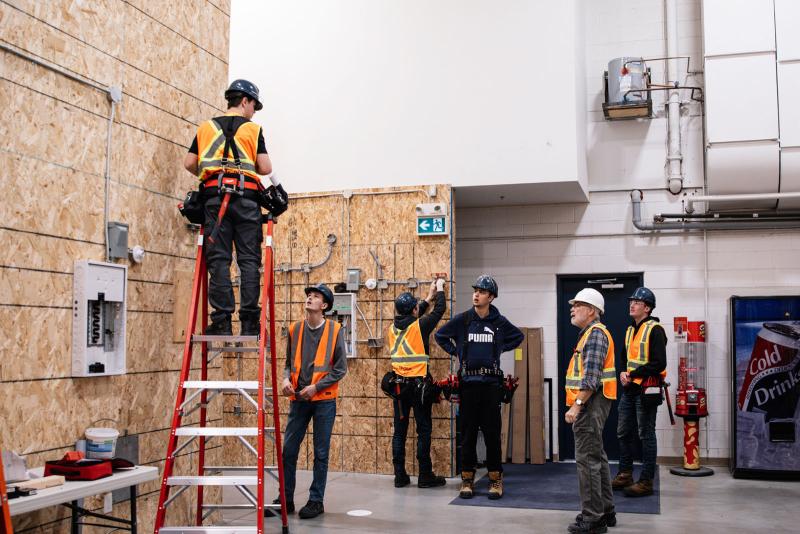
Construction is one of the most vital industries for economic growth, infrastructure development, and employment. At the same time, it is also one of the most hazardous sectors, with workers exposed to risks such as falls from height, heavy machinery accidents, electrical hazards, and structural collapses. Because of these inherent dangers, government involvement plays a critical role in promoting construction site safety. Through legislation, enforcement, education, and collaboration, governments help reduce accidents, protect workers, and ensure projects are completed responsibly and efficiently.
Establishing Safety Regulations and Standards
One of the primary roles of government in construction site safety is the creation of clear and enforceable regulations. These laws define minimum safety standards that contractors and developers must follow. Regulations typically cover areas such as personal protective equipment (PPE), scaffolding, excavation work, electrical safety, and the operation of heavy machinery.
By setting consistent national or regional standards, governments create a level playing field where all construction companies are expected to meet the same safety requirements. This not only protects workers but also prevents unsafe contractors from gaining an unfair competitive advantage by cutting corners.
Enforcement and Inspections
Regulations alone are not enough without effective enforcement. Governments are responsible for monitoring compliance through inspections, audits, and investigations. Health and safety inspectors have the authority to visit construction sites, assess risks, review documentation, and ensure that safety measures are being implemented correctly.
When violations are identified, enforcement actions such as improvement notices, fines, or work stoppages may be issued. These penalties serve as a deterrent and encourage companies to take safety obligations seriously. Consistent enforcement also reinforces the message that worker safety is a legal and moral responsibility, not an optional extra.
Promoting Training and Competency
Another crucial government function is promoting training and competency within the construction workforce. Many accidents occur due to lack of knowledge, inadequate supervision, or improper use of equipment. Governments often mandate specific training requirements for high-risk activities such as working at height, operating cranes, or handling hazardous substances.
In addition to mandatory training, governments may support apprenticeships, certification schemes, and continuing professional development programs. These initiatives help ensure that workers, supervisors, and site managers understand safety procedures and can identify potential hazards before accidents occur.
Supporting Safety Culture and Awareness
Beyond rules and inspections, governments play an important role in shaping safety culture across the construction industry. Public awareness campaigns, guidance documents, and industry partnerships help reinforce the importance of proactive risk management.
By promoting best practices and sharing lessons learned from past incidents, authorities encourage companies to move beyond basic compliance toward a culture where safety is integrated into every stage of a project. This cultural shift is essential for long-term improvements, as it empowers workers to speak up about unsafe conditions and encourages management to prioritize prevention.
In regional contexts, tailored guidance can address local challenges. For example, initiatives linked to Health and Safety Sussex may focus on regional construction trends, workforce demographics, or specific environmental risks common to the area.
Data Collection and Accident Reporting
Governments also play a key role in collecting and analyzing data related to construction site accidents and occupational illnesses. Mandatory reporting systems allow authorities to track injury rates, identify common causes of accidents, and spot emerging risks.
This data-driven approach enables policymakers to update regulations, improve guidance, and target enforcement efforts more effectively. It also helps industry stakeholders understand where improvements are needed and measure the impact of safety initiatives over time.
Encouraging Innovation and Safer Technologies
Modern construction increasingly relies on new technologies, from advanced machinery to digital project management tools. Governments can encourage the adoption of safer technologies by providing incentives, funding research, or updating regulations to accommodate innovation.
For example, promoting the use of wearable safety devices, automation, or digital risk assessments can significantly reduce exposure to hazards. Government support helps ensure that safety innovation is accessible not only to large firms but also to small and medium-sized contractors.
Collaboration with Industry and Local Authorities
Effective construction safety relies on collaboration between government bodies, industry organizations, employers, and workers. Governments often work closely with trade associations, unions, and local authorities to develop practical safety solutions that reflect real-world conditions on site.
Local initiatives, such as those associated with Health and Safety Kent, can address region-specific needs while aligning with national standards. This collaborative approach ensures that safety policies are both practical and enforceable.
Conclusion
The role of government in promoting construction site safety is multifaceted and essential. By establishing regulations, enforcing compliance, supporting training, fostering a strong safety culture, and encouraging innovation, governments significantly reduce the risks faced by construction workers.
While responsibility for day-to-day safety ultimately lies with employers and workers, government leadership provides the framework that makes safe construction possible. As the industry continues to evolve, ongoing government involvement will remain critical in ensuring that progress in construction goes hand in hand with the protection of human life and wellbeing.
Also Prefer our other Article :
https://nichenest.xyz/health-and-safety-challenges-on-multi-contractor-sites/

Post Your Ad Here
Comments