The Role of Housekeeping in Preventing Site Accidents
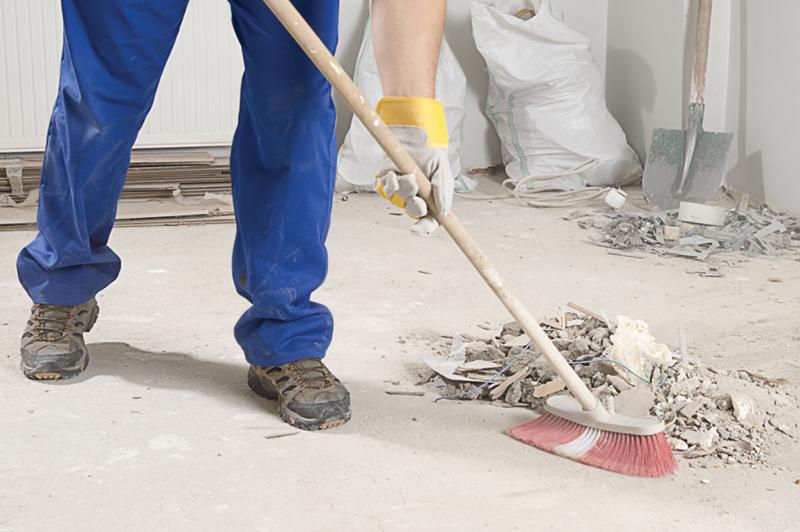
Accidents at construction and industrial sites can have devastating consequences for both workers and businesses. While many factors contribute to workplace accidents, a significant one that is often overlooked is poor housekeeping. Housekeeping refers to the practices and processes employed to maintain a clean, organized, and safe environment in the workplace. On construction sites, industrial facilities, and even office spaces, good housekeeping plays a pivotal role in preventing accidents and ensuring the well-being of employees.
In this article, we explore how proper housekeeping can help prevent site accidents, its importance in health and safety, and why organizations in areas such as Health and Safety Essex and Health and Safety Hertfordshire need to pay close attention to this often-neglected aspect.

1. What is Housekeeping in the Workplace?
Housekeeping involves more than just tidying up. It encompasses all the practices related to maintaining a clean, clutter-free, and organized environment. In construction or industrial sites, housekeeping refers to managing the layout of tools, equipment, materials, and waste. It also involves managing hazards such as spills, debris, and unsafe storage practices.
Good housekeeping helps to:
Ensure clear walkways and passageways
Keep tools and materials organized and stored safely
Eliminate potential tripping hazards
Dispose of waste and debris properly
Maintain safe and accessible emergency exits
A well-maintained site reduces the risk of accidents, injuries, and other health hazards, fostering a safer working environment.
2. How Housekeeping Prevents Common Site Accidents
a. Slips, Trips, and Falls
One of the most common accidents on worksites are slips, trips, and falls, often caused by cluttered floors, exposed wires, or wet surfaces. Housekeeping directly addresses this issue by ensuring that materials and equipment are properly stored and that floors are kept clean and dry. Regular sweeping, mopping, and checking for potential tripping hazards can significantly reduce these types of accidents.
b. Falling Objects
In construction or industrial sites, tools, equipment, and materials can often be left unattended on elevated surfaces, increasing the risk of falling objects. Properly securing materials, tools, and equipment, as well as ensuring that they are not obstructing walkways or hanging over the edge of surfaces, is an essential part of good housekeeping. This prevents objects from falling and injuring workers below.
c. Fire Hazards
Cluttered environments with flammable materials, such as paper, rags, or solvents, can increase the risk of fires. Good housekeeping practices, such as ensuring waste materials are properly disposed of and stored in fire-resistant containers, help to eliminate these fire hazards. By maintaining proper storage areas for combustible materials and regularly inspecting for potential fire risks, businesses can prevent catastrophic fires that may endanger workers’ lives.
d. Inadequate Lighting
A cluttered or disorganized site can obstruct lighting fixtures or cause shadows in critical areas, creating blind spots. Proper housekeeping helps to ensure that lighting is not obstructed and that all work areas are well-lit. This, in turn, improves visibility, reducing the likelihood of accidents caused by poor lighting conditions.
3. The Role of Housekeeping in Enhancing Overall Health and Safety
Housekeeping not only addresses the physical risks associated with clutter and disorganization but also plays a key role in improving overall health and safety conditions on site. By maintaining a clean and orderly environment, workers are more likely to feel comfortable and focused, reducing stress and distractions.
a. Ergonomics and Efficiency
A well-organized workspace can also have a positive impact on ergonomics. Workers can easily access tools and equipment, which reduces the time spent searching for items and minimizes the physical strain of moving or bending to retrieve them. Ergonomically sound environments can prevent long-term injuries such as back or joint problems, and boost overall productivity.
b. Reducing Exposure to Hazardous Substances
On some industrial sites, workers may be exposed to hazardous chemicals, materials, or dust. Housekeeping measures that include proper ventilation, the storage of hazardous substances in designated areas, and the disposal of waste can help minimize exposure to harmful substances. This directly impacts the health of employees, reducing the likelihood of chronic illnesses or accidents caused by unsafe exposure.
c. Compliance with Regulations
In regions like Health and Safety Essex and Health and Safety Hertfordshire, employers are required to comply with a range of regulations and guidelines related to workplace safety. Regular inspections, audits, and adherence to safety protocols are essential to ensure compliance with local health and safety laws. Proper housekeeping supports these efforts by ensuring that the site is consistently maintained to meet regulatory requirements.
4. Training and Accountability in Housekeeping
While the importance of housekeeping is clear, it is not enough to simply expect workers to keep their workspaces clean and organized. Proper training, as well as clear communication of expectations, are necessary to ensure that housekeeping becomes an integral part of daily operations.
Employers should provide regular training on the importance of good housekeeping, safe storage practices, and waste disposal. Workers should be aware of the risks posed by poor housekeeping and be given the tools and resources to maintain a safe work environment. Additionally, establishing accountability measures, such as regular safety audits or inspections, can help reinforce the importance of housekeeping.
5. Conclusion: The Bottom Line of Housekeeping
The role of housekeeping in preventing site accidents cannot be overstated. By keeping the workplace clean, organized, and free from hazards, employers can significantly reduce the risk of accidents and injuries. This not only ensures the safety and well-being of employees but also helps businesses comply with local health and safety regulations.
In regions like Health and Safety in Essex and Health and Safety in Hertfordshire, where regulations are strict and enforcement is vigilant, adopting a strong housekeeping culture is essential. A clean, organized, and hazard-free worksite leads to a safer environment, which can result in improved worker morale, fewer accidents, and ultimately, better productivity and profitability for the business.
Ultimately, good housekeeping is a simple yet effective strategy for creating a safe and productive work environment. By prioritizing housekeeping and integrating it into daily operations, businesses can foster a culture of safety that benefits everyone involved.
Post Your Ad Here
Comments