Mental Health First Aid Training for Safety Officers
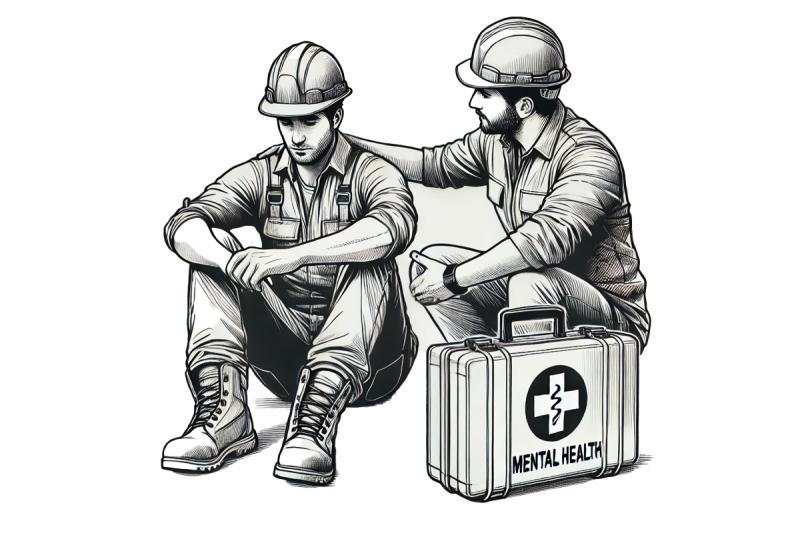
Mental health has become an increasingly important consideration in modern workplaces, particularly in environments where pressure, risk, and responsibility are high. Safety officers play a vital role in protecting workers from physical harm, but their responsibilities now extend further to include supporting mental wellbeing. Mental Health First Aid (MHFA) training equips safety officers with the knowledge and skills needed to recognise early signs of mental health issues, provide initial support, and guide individuals toward professional help.
The Growing Importance of Mental Health in the Workplace
Workplace stress, anxiety, depression, and burnout are more common than ever. Factors such as heavy workloads, tight deadlines, job insecurity, and high-risk working conditions can significantly affect mental wellbeing. In industries like construction, manufacturing, and logistics, mental health challenges can also increase the likelihood of accidents, reduced concentration, and absenteeism.
Employers are increasingly recognising that mental health is just as important as physical safety. A proactive approach not only supports employees but also improves productivity, morale, and retention. Mental Health First Aid training helps embed this approach into everyday safety management.
What Is Mental Health First Aid Training?
Mental Health First Aid training is designed to teach participants how to identify signs and symptoms of common mental health conditions. These may include stress, anxiety disorders, depression, substance misuse, and crisis situations such as panic attacks or suicidal thoughts.
For safety officers, the training focuses on practical skills rather than diagnosis. Participants learn how to start supportive conversations, listen without judgment, provide reassurance, and encourage professional support when needed. This makes MHFA a powerful addition to traditional health and safety training.
Why Safety Officers Are Key to Mental Health Support
Safety officers are often the first point of contact when concerns arise in the workplace. Their visibility, authority, and trusted position mean employees may feel more comfortable raising issues with them. By receiving MHFA training, safety officers are better prepared to notice behavioural changes, reduced performance, or signs of emotional distress.
Incorporating mental health awareness into safety roles strengthens overall risk management. Just as unsafe equipment or hazardous conditions are addressed promptly, mental health risks can be identified early before they escalate into serious problems.
Reducing Incidents and Improving Safety Culture
Poor mental health can impair decision-making, reaction times, and concentration. In safety-critical environments, this significantly increases the risk of accidents and errors. Mental Health First Aid training helps safety officers understand how mental wellbeing directly impacts physical safety.
When employees feel supported and understood, they are more likely to speak up about concerns, report hazards, and follow safety procedures. This creates a more open and positive safety culture, where wellbeing is prioritised at every level of the organisation.
Supporting Legal and Ethical Responsibilities
Employers have a duty of care to protect both the physical and mental health of their workforce. Health and safety legislation increasingly acknowledges psychosocial risks such as stress and workload pressures. Safety officers with MHFA training are better equipped to support compliance with these responsibilities.
Organisations working with Health and Safety Essex professionals often integrate mental health initiatives into their wider safety strategies. This ensures that policies, risk assessments, and training programmes reflect a holistic approach to employee wellbeing.
Mental Health First Aid in High-Risk Industries
In high-risk industries, mental health challenges are often compounded by long hours, physically demanding work, and exposure to hazardous environments. Construction sites, for example, can be particularly stressful due to tight deadlines and complex coordination between multiple contractors.
Professionals such as a CDM Consultant may already focus on planning, coordination, and risk management during construction projects. When safety officers on-site are trained in Mental Health First Aid, they add another layer of protection by addressing the human factors that can contribute to incidents.
Benefits for Organisations and Employees
The benefits of MHFA training extend beyond individual support. Organisations that invest in mental health training often see reduced sickness absence, improved engagement, and stronger team relationships. Employees feel valued and supported, which builds trust and loyalty.
For safety officers themselves, MHFA training enhances professional competence and confidence. It broadens their skill set and enables them to approach safety from a more comprehensive perspective, combining physical, emotional, and psychological considerations.
Implementing Mental Health First Aid Training
Successful implementation starts with leadership support and clear communication. Mental Health First Aid should be positioned as a supportive resource, not a replacement for professional medical care. Safety officers should also be given access to ongoing support and refresher training to maintain confidence and effectiveness.
Integrating MHFA into existing safety frameworks, toolbox talks, and wellbeing initiatives ensures it becomes a natural part of workplace culture rather than a one-off exercise.
Conclusion
Mental Health First Aid training is an essential tool for modern safety officers. By equipping them to recognise, respond to, and support mental health challenges, organisations create safer, healthier, and more productive workplaces. As awareness continues to grow, MHFA training will play a key role in strengthening safety culture and ensuring that employee wellbeing is protected in every sense.
Also Prefer our other Article :
https://michaellordan.blogspot.com/2025/12/the-role-of-hr-in-supporting-mental.html

Comments