The Ultimate Guide to Acne Treatment: From Causes to Cure
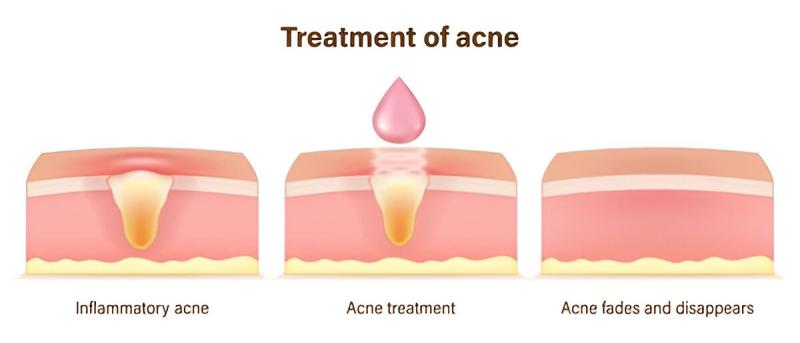
Acne is one of the most common skin conditions worldwide, affecting people of all ages, from teenagers to adults. While it’s often considered a rite of passage during adolescence, acne can persist well into adulthood and cause significant emotional and psychological stress. The good news? Effective treatments are available but first, understanding acne’s root causes and treatment options is essential for achieving clear, healthy skin.

This ultimate guide will walk you through the causes, types, effective options for acne treatment in Delhi and prevention strategies for acne, helping you make informed decisions about your skin health.
Understanding Acne
Acne is a chronic inflammatory skin condition that occurs when hair follicles become clogged with oil (sebum), dead skin cells, and bacteria. It primarily affects areas with a high concentration of oil glands, such as the face, neck, chest, back, and shoulders.
Types of Acne

Here are some of the common types of acne mentioned below:
Whiteheads (closed comedones): Clogged pores that remain closed under the skin.
Blackheads (open comedones): Clogged pores that open to the skin surface and oxidize.
Papules: Small, red, tender bumps without pus.
Pustules: Pimples with pus at their tips.
Nodules: Large, painful lumps under the skin.
Cysts: Deep, painful, pus-filled lumps (can lead to scarring).
Common Causes of Acne

Some of the common causes of acne are mentioned below:
Hormonal Changes
Androgens increase during puberty and stimulate oil glands.
Hormonal imbalances (e.g., polycystic ovary syndrome or PCOS) can cause persistent acne in adults.
Excess Sebum Production: Overactive sebaceous (oil) glands clog pores and promote acne.
Bacteria (Cutibacterium acnes): This skin-dwelling bacterium thrives in blocked pores and contributes to inflammation.
Dead Skin Cells: When not properly shed, they accumulate and block pores.
Diet: Foods with a high glycemic index (e.g., sugar, white bread) and dairy may worsen acne in some individuals.
Stress: Increases cortisol and triggers oil production.
Cosmetics and Skincare Products: Using comedogenic (pore-clogging) products can contribute to breakouts.
Acne Triggers to Avoid
Here are some of the common acne triggers:
Harsh scrubbing or over-cleansing
Popping or picking at pimples
Heavy makeup or greasy hair products
Poor hygiene of phones, pillowcases, and face masks
Inconsistent skincare routines
Acne Treatment Options
Here are common acne treatment options mentioned below:
Over-the-Counter (OTC) Treatments
Here are some of the common over-the-counter treatment options mentioned below:
Benzoyl Peroxide
Reduces bacteria and dries out excess oil.
Available in cleansers, gels, and spot treatments.
Use with caution can cause dryness and irritation.
Salicylic Acid
A beta hydroxy acid (BHA) that exfoliates and unclogs pores.
Common in toners, masks, and cleansers.
Alpha Hydroxy Acids (AHAs)
Glycolic and lactic acids help exfoliate and improve skin texture.
Retinoids (Adapalene, OTC)
Vitamin A derivatives that promote cell turnover and prevent clogged pores.
May cause purging initially.
Sulfur and Clay Masks
Draw out oil and reduce inflammation.
Prescription Treatments
Here are some of the effective prescription treatment mentioned below:
Topical Retinoids (Tretinoin, Tazarotene): It works by increasing cell turnover rate along with reducing comedones.
Topical or Oral Antibiotics: It works by reducing bacteria and inflammation. It is often combined with benzoyl peroxide to prevent resistance. Example of such medication includes clindamycin, erythromycin (topical) or doxycycline, minocycline (oral)
Hormonal Therapy: It works by regulating hormones and reducing oil production. An example of such medication is birth control pills. Another example is spironolactone; it works by blocking androgen effects in women with hormonal acne.
Isotretinoin (Accutane): It is a powerful oral retinoid for severe cystic acne. This medication requires close monitoring due to potential side effects such as dryness, mood changes and birth defects.
Professional Procedures
When over-the-counter or oral medication does not work, dermatologists may recommend professional treatment options such as:
Chemical Peels: Chemical peels use acids like salicylic or glycolic to exfoliate and unclog pores.
Laser and Light Therapy: The treatment includes blue light therapy and IPL. This treatment works by killing bacteria and reducing inflammation.
Drainage and Extraction: During drainage and extraction, a dermatologist manually removes large cysts or nodules.
Steroid Injections: In this treatment approach, corticosteroids injections are injected into painful cysts for quick relief.
Natural and Alternative Treatments
Here are some of the natural and alternative treatment options for acne treatment mentioned below:
Tea tree oil: Antibacterial and anti-inflammatory
Green tea extract: Antioxidant and soothing
Zinc supplements: May reduce inflammation and sebum
Aloe vera: Calms irritated skin
Preventing Acne: Proactive Tips
Here are some of the preventive acne tips mentioned below:
Keep hands and phones away from your face.
Wash pillowcases and towels frequently.
Choose non-comedogenic makeup and skincare products.
Manage stress through exercise, meditation, or sleep hygiene.
Stick to your routine; results take time (6–12 weeks).
Visit Delhi Wellness Clinics for effective acne treatment options!

Acne may be a common condition, but it doesn’t have to be a lifelong struggle. With the right knowledge, routine, and treatment plan, you can take control of your skin and restore confidence. From mild to severe cases, there is no one-size-fits-all approach; your acne journey is unique, and so should be your solution. For more information, book an appointment with the Best skin specialist in Delhi, Delhi Wellness Clinic!
Post Your Ad Here
Comments