What are the Top 10 Causes of Pigmentation?
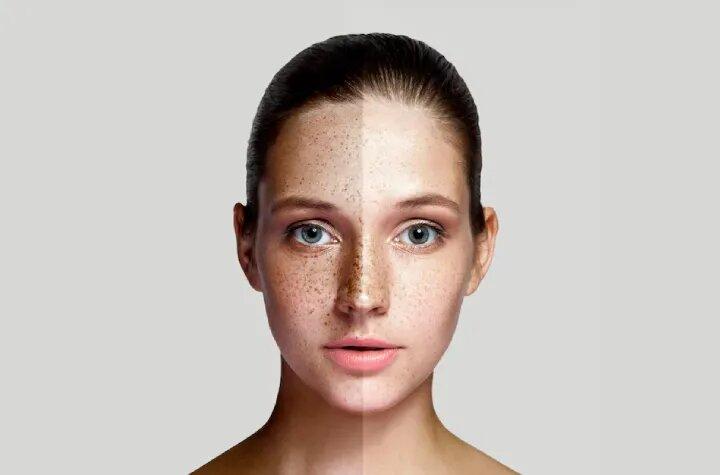
The darkening of the skin is known as pigmentation. It covers larger areas, appears in small patches, and has a significant impact on the skin. Some common types of pigmentation include melasma, sunspots, and post-inflammatory hyperpigmentation. Despite the fact that pigmentation is common and typically harmless, many people seek pigmentation treatment in Delhi for aesthetic purposes. The secret to managing and preventing pigmentation is knowing what causes it.

This article will shed light on the leading causes of pigmentation. But first, let us understand what pigmentation is.
What is Pigmentation?
Melanin, a naturally occurring pigment found in skin, eyes, and hair, causes pigmentation. Melanin is formed by the cells known as melanocytes. Damage or overactivity of these cells can cause hyperpigmentation (dark spots) or, less commonly, hypopigmentation (light spots). The main types of pigmentation include melasma, freckles, sun spots, etc.
Let us discuss the factors that cause pigmentation.
1. Sun Exposure
One of the leading causes of pigmentation is sun exposure. Excessive sunlight causes the melanocytes to generate more melanin as a protective mechanism, which causes tanning and, over time, sunspots and uneven skin tone. The UV rays penetrate deeper inside the skin and cause aging as well as long-term pigmentation. You must wear a sunscreen, i.e. SPF 50.
2. Hormonal Changes
Hormonal changes, especially in females, can cause melasma, also known as the "mask of pregnancy." Usually, it impacts the upper lip, forehead, and cheeks. Estrogen and progesterone levels can stimulate excess melanin production, particularly when combined with sun exposure. Use hormone-friendly skincare and consult a dermatologist when undergoing hormonal treatments if pigmentation develops. If you are searching for the best skin specialist in Delhi to get pigmentation treatment, consult the expert doctors at Delhi Wellness Clinics.
3. Skin Injury
Post-inflammatory hyperpigmentation (PIH) occurs after any skin trauma such as eczema, acne, psoriasis, cuts or burns. The damaged skin produces excess melanin as part of the healing process, leading to dark spots. Avoid picking or squeezing pimples as a preventive measure.
4. Genetics
Your genetic predisposition influences the way your skin responds to inflammation and the sun. Melasma and freckles can run in families. Due to increased melanin activity, people with darker skin tones are also more likely to experience hyperpigmentation. Be extra cautious when it comes to sun protection and skin trauma if pigmentation runs in your family.
5. Medications
There are medications that make the skin more sensitive to the sun. These include chemotherapy medicines, tetracycline antibiotics, etc. This might cause brown discolouration on the skin. It is best to always consult the skin doctor about the side effects of medicines and use sunscreen regularly if you are using these medicines.
6. Exposure to Skincare Products and Harsh Chemicals
Pigmentation can result from chemical burns or dermatitis. This can occur by using specific skin care products that contain irritants or allergens. These include essential oils, aromas, fragrances, etc. Use products recommended by dermatologists and avoid harsh products.
7. Medical Conditions
Certain underlying medical conditions cause changes in pigmentation. These include Addison's disease, liver disorders, etc. To prevent pigmentation, get your underlying illness treated. Over time, pigmentation can be improved by treating the underlying cause.
8. Aging
The skin's ability to regenerate decreases with age. As a result of years of cumulative sun exposure, age spots or liver spots develop. The melanocytes grow in size and cause patchy dark spots. To delay signs of aging, include sun protection, retinoids, and antioxidants in your regimen early.
9. Nutritional Deficiency
Certain nutrient deficiencies may affect the pigmentation and skin health. Dark spots may result from a vitamin B12 deficiency. Even a lack of iron or folic acid leads to dull skin tone. Eat a well-balanced diet full of lean protein, healthy fats, and vibrant vegetables. Supplements should be taken under a doctor's supervision.
10. Environmental Pollution
Pollutants and free radicals in the air can irritate the skin and trigger inflammatory pathways that stimulate melanocytes. Urban living, especially in industrial areas, can exacerbate pigmentation issues. Cleanse your skin thoroughly, use antioxidant serums (like vitamin C), and limit exposure when possible.
Get Brighter and Even Toned Skin With Pigmentation Treatment
If you are experiencing pigmentation and want to get rid of it, seek help from a dermatologist right away. You can consult the expert doctors at Delhi Wellness Clinics to get the best pigmentation treatment in Delhi. The expert doctor offers a range of dermatological treatments for pigmentation, such as topical products, chemical peels, laser therapy, microneedling, cryotherapy and microdermabrasion.

Also, the cost of pigmentation treatments ranges from Rs. 5,000 to Rs. 9,000, depending on how severe the pigmentation is and number of sessions needed. To know the exact cost, visit Delhi Wellness Clinics now.

Post Your Ad Here
Comments