Why Every Project Manager Needs a Resource Planning Tool in 2026
The first thing you’ll learn as a rookie project manager is:
Managing projects means managing resources.
Mastering resource planning and management, thus, should be a top priority for any project manager. Project resource planning has moved from being a support activity to a core responsibility for them in 2026. With composite teams, overlapping initiatives, and steady pressure to deliver faster with fewer resources, relying on static spreadsheets is no longer sustainable. Project managers today are expected to make decisions backed by data, visibility, and foresight rather than guesswork.
In this dynamic environment, structured planning supported by tools such as resource planning software helps teams to steer the ship rather than ride the waves. Solutions like eResource Scheduler enable managers to see the full picture early, making planning more accurate and execution more predictable.
Why Project Management Looks Different in 2026?
The character of projects has evolved notably over the last few years. Teams are more rational, skills are more polished, and dependencies span across departments and time frames. The role is evolving from a process-oriented function to a strategic, value-driven leadership position that blends human intelligence with effective resource planning tools.
Key shifts shaping project management today include:
Teams are more distributed and cross-functional
Workloads must stay balanced to avoid burnout
Predictability matters more than ever
Without a structured approach to project resource planning, even experienced managers struggle to keep work balanced and timelines realistic.
What Project Resource Planning Means for Modern Teams?
Project resource planning strategically manages people, tools, budget, and time to align resources with project goals. It goes beyond delegating tasks by helping managers to understand whether plans are actually feasible or not.
It is about proactive forecasting, real-time visibility, and adaptability to keep projects on track and within budget to attain high-quality outcomes.
Why Does Team Planning for Projects Matter?
Boosts productivity and quality: Ensures the right people and tools are available, leading to better work.
Prevents burnout: Balances workloads and increases team satisfaction and retention.
Control costs: Minimizes delays and overspending on unnecessary resources.
Increases success rates: Helps meet deadlines and deliver projects within scope and funds.
In 2026, planning is no longer about reacting to issues, but it’s about preventing them before they surface.
How Do Resource Planning Tools Improve Project Visibility?
Clear visibility is the warp and woof of strong project outcomes. Without it, even well-planned initiatives can drift off track.
How does real-time data improve project planning accuracy?
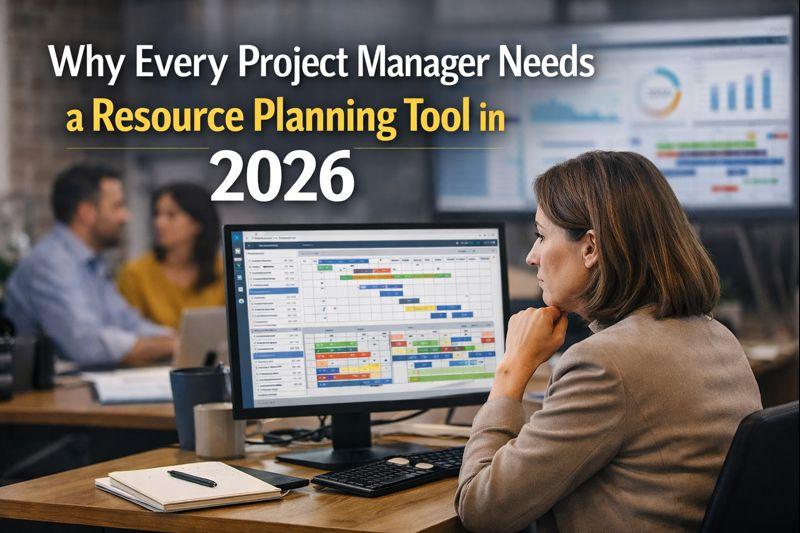
A dedicated resource planning tool gives project managers a live view of resource allocation, visibility, and utilization.
Instead of relying on outdated reports, managers can see:
Workload distribution across ongoing projects
Resource availability by role, skill set, or location
Future demand from active and planned assignments
This level of transparency significantly improves project planning accuracy, especially when timelines or priorities shift.
What insights help managers anticipate risks early?
When visibility improves, risks surface earlier. A coordinated system highlights:
Over-allocated workforce
Gaps in required skills
Conflicting project timelines
By identifying these signals early, managers can rebalance workloads and adjust schedules.
How Can Project Managers Prevent Overloading and Burnout?
To avoid team overload and burnout, project managers need to plan realistically. Using capacity-tracking tools to delegate effectively and supporting flexible work arrangements all play a crucial role.
Burnout has become one of the most discussed workplace challenges, especially in fast-moving project environments.
Why is balanced workload planning critical in 2026?
Key benefits include:
Simple workload distribution
Early warnings when capacity thresholds are crossed
Proper alignment between planned and actual efforts
How does capacity forecasting reduce burnout?
Accurate capacity forecasting allows managers to plan weeks or months ahead instead of last-minute rush.
With forward-looking views, teams can:
Avoid last-minute hustles
Plan leave without affecting delivery
Maintain sustainable work rhythms
Tools that centralize planning data, such as a resource management system like eResource Scheduler, help replace assumptions with real-time insights and make plans more reliable from day one.
How Does Resource Planning Improve Cross-Team Collaboration?
Resource planning boosts cross-team collaboration by creating alignment through shared goals, clarifying roles, and providing visibility into workloads, which reduces silos and fosters a unified approach with clear processes and communication for smoother execution.
Why is cross-project team planning essential?
Multiple projects often compete for the same skilled resources. Without structured cross-project team planning, conflicts arise, and delivery suffers.
A planning tool helps managers:
Compare demand across tasks
Prioritize work based on business impact
Share resources without overcommitment
Conclusion: Smarter Resource Planning Is What Sets Successful Project Managers Apart in 2026
In 2026, successful project delivery depends on foresight, flexibility, and fairness. A structured approach to project resource planning gives managers the clarity they need to balance timelines, costs, and people.
The right planning tool doesn’t replace judgment, but it supports better decisions by making capacity and constraints visible when it matters most.
Ultimately, project managers who invest in better visibility and smarter planning are better equipped to deliver consistent results while keeping their teams motivated and engaged. As expectations continue to rise, adopting a reliable resource management software like eResource Scheduler is no longer optional, but it’s a strategic move toward long-term success.
Explore a 14-day free trial on eRS and see how smarter planning can simplify your projects.
Frequently Asked Questions
1. What is project resource planning?
Project resource planning focuses on assigning the right people to the right work at the right time.
2. How does a resource planning tool differ from spreadsheets?
Planning tools offer real-time updates and visibility across multiple projects, whereas spreadsheets are static.
3. Can small teams benefit from resource planning tools?
Yes. Even small teams gain clarity on workloads that help them to scale with chaos.
4. How does resource planning support long-term workforce planning?
It helps organizations understand skills demand trends and align talent with future business goals.
5. When should a project manager start using these tools?
Tools deliver value even when introduced mid-project by improving visibility and control.
Post Your Ad Here
Comments