Is Ragi Atta Better Than Wheat Atta? | 10on10foods | Call 7454892104
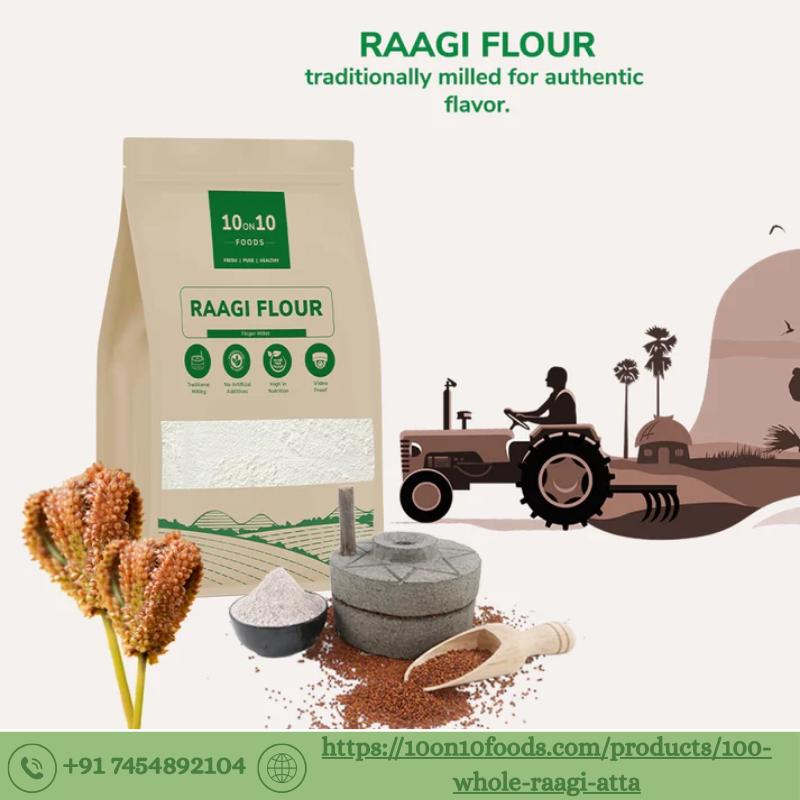
Flour is a staple in many Indian kitchens, shaping everything from rotis and dosas to porridges and baked foods. Traditionally, wheat atta has been the default choice. However, growing awareness about nutrition, gluten sensitivity, and lifestyle-related health concerns has brought ragi atta into the spotlight.
But is ragi atta truly better than wheat atta, or is it just another health trend? The answer depends on your body, diet goals, and nutritional needs. This article explores the differences between ragi atta and wheat atta, their health benefits, and how to decide which one suits you best.
What Is Ragi Atta?
Ragi atta is flour made from finger millet, an ancient grain cultivated in India for thousands of years. It is traditionally consumed in South Indian diets and is now gaining popularity across the country due to its impressive nutritional profile.
Unlike refined flours, high-quality stone ground ragi atta retains most of the grain’s natural fiber, minerals, and micronutrients. Naturally dark in color and earthy in flavor, ragi atta is also suitable for people seeking gluten-free alternatives.
What Is Wheat Atta?
Wheat atta is made from whole wheat grains and is a common staple in North Indian households. It contains carbohydrates, protein, fiber, and B-vitamins, making it a balanced food for many people.
However, wheat contains gluten, which can cause digestive discomfort for some individuals. While whole wheat is healthier than refined flour (maida), it may not be ideal for everyone, especially those managing specific health conditions.
Nutritional Comparison: Ragi Atta vs Wheat Atta
1. Fiber Content
Ragi atta contains significantly higher dietary fiber than wheat atta. This helps:
-
Improve digestion
-
Prevent constipation
-
Promote gut health
-
Support weight management
High fiber content also contributes to longer satiety, reducing unnecessary snacking.
2. Calcium and Minerals
One of ragi’s standout qualities is its exceptionally high calcium content, far exceeding that of wheat. This makes finger millet flour particularly beneficial for:
-
Bone strength
-
Growing children
-
Women
-
Elderly individuals
Ragi is also rich in iron, magnesium, and phosphorus.
3. Glycemic Index
Ragi atta has a lower glycemic index compared to wheat atta, meaning it releases glucose slowly into the bloodstream. This helps maintain stable blood sugar levels and is especially useful for people with diabetes or insulin resistance.
4. Gluten Content
Wheat atta contains gluten, while gluten free ragi atta is naturally gluten-free. This makes ragi a safer option for people with:
-
Gluten sensitivity
-
Celiac disease
-
Digestive discomfort linked to wheat
Health Benefits of Ragi Atta
Supports Blood Sugar Control
Due to its low glycemic index and high fiber, ragi atta helps regulate blood sugar levels and reduces post-meal spikes.
Promotes Weight Management
Ragi keeps you full for longer, helping reduce calorie intake naturally. It is often included in weight-conscious diets.
Strengthens Bones
Finger millet flour is one of the richest plant-based sources of calcium, making it excellent for bone density and joint health.
Improves Digestion
The fiber and natural compounds in ragi promote healthy digestion and reduce bloating when consumed in moderation.
Suitable for All Age Groups
Ragi is commonly recommended for infants, adults, and seniors due to its easy digestibility and nutrient density.
When Wheat Atta May Be a Better Choice
While ragi atta has several benefits, wheat atta still holds value for certain individuals:
-
People without gluten sensitivity
-
Those needing higher protein intake
-
Individuals with very high caloric needs
-
Those accustomed to softer rotis and breads
Wheat atta is versatile, widely available, and easier to work with for traditional cooking styles.
Ragi Atta vs Wheat Atta: Which One Should You Choose?
Choose Ragi Atta If You:
-
Want a gluten-free flour
-
Are managing diabetes
-
Need higher calcium intake
-
Are focused on gut health
-
Want to diversify grains in your diet
Choose Wheat Atta If You:
-
Have no gluten intolerance
-
Prefer softer rotis
-
Need higher energy intake
-
Follow traditional wheat-based meals
Many nutritionists recommend rotating flours rather than relying on one single grain. Including both ragi and wheat in moderation can offer balanced nutrition.
Cooking With Ragi Atta: Practical Tips
-
Start by mixing ragi atta with wheat atta if you’re new to its taste
-
Use warm water for kneading to improve texture
-
Fermented dishes enhance ragi’s nutrient absorption
-
Store flour in an airtight container to preserve freshness
With the rise of digital shopping, many people now buy flour online, making it easier to access fresh, traditionally processed flours like stone-ground varieties.
Quality Matters: Choosing the Right Ragi Atta
Not all ragi flours are created equal. Processing methods affect nutrient retention and digestibility. Traditionally milled, stone-ground ragi atta preserves natural fiber and minerals better than highly processed alternatives.
Some consumers prefer sourcing from trusted brands such as 10on10foods, which focus on traditional milling methods and clean sourcing. As awareness grows, more people are consciously choosing nutrient-dense flours over refined options, including from platforms where you can buy flour online with transparent sourcing information.
FAQs About Ragi Atta
Is ragi atta good for daily consumption?
Yes, when consumed in moderation and prepared properly, ragi atta is suitable for daily meals.
Can ragi atta replace wheat atta completely?
It can, but many people prefer mixing flours to maintain taste, texture, and dietary balance.
Is ragi atta good for kids?
Yes, finger millet flour is often recommended for children due to its calcium and iron content.
Does ragi cause weight gain?
No, ragi is generally associated with weight management due to its high fiber and satiety-promoting properties.
Final Thoughts: Is Ragi Atta Better Than Wheat Atta?
Ragi atta is not necessarily “better” than wheat atta in all cases—but it is nutritionally superior in specific areas, particularly calcium, fiber, and glycemic control. For people seeking gluten-free alternatives or improved metabolic health, ragi atta offers clear advantages.
Ultimately, the best flour is the one that aligns with your health goals, digestion, and lifestyle. Including diverse grains like ragi alongside wheat can help build a more balanced, nutrient-rich diet. As more consumers become mindful of what goes into their daily meals, traditional grains like ragi—supported by responsible producers such as 10on10foods—are making a meaningful comeback.

Post Your Ad Here
Comments