Is Ragi Flour Better Than Other Millets? | 10on10Foods
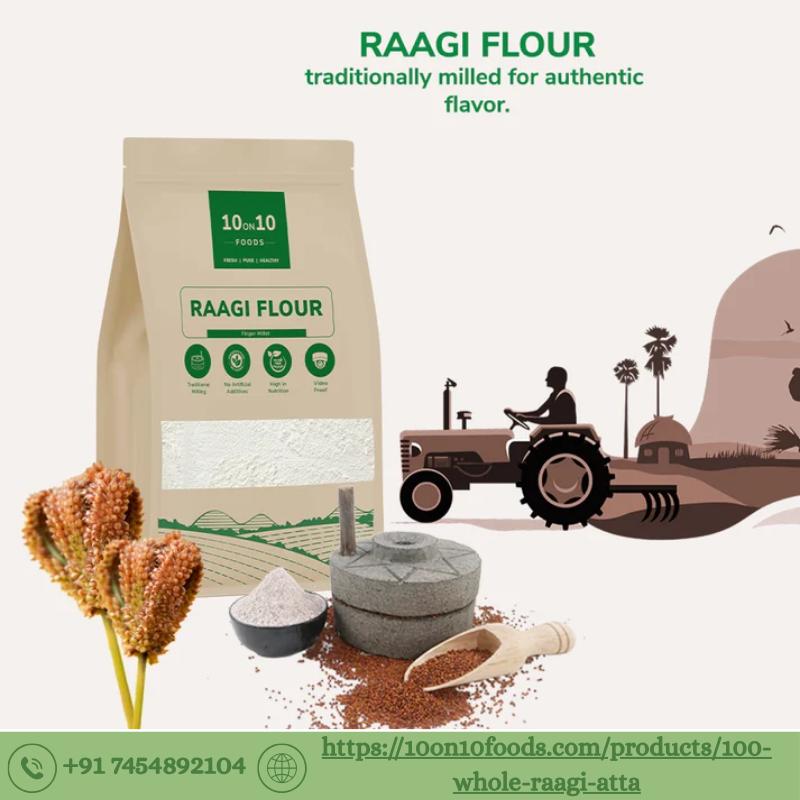
Millets have made a powerful comeback in modern diets, praised for their nutritional benefits, sustainability, and versatility. Among the different varieties—such as jowar, bajra, foxtail millet, and barnyard millet—ragi flour, also known as ragi atta, has gained exceptional popularity. Its high nutritional value, ease of use, and suitability for different lifestyles make it stand out from the rest.
At 10on10Foods, we believe that food should be fresh, wholesome, and full of natural goodness. That is why our Ragi Atta is stone-milled only after you place your order, ensuring that every pack you receive is fresh, nutrient-rich, and free from additives. But the question remains: is ragi flour really better than other millets? Let’s explore.
Understanding Ragi Flour
Ragi, also known as finger millet, is one of the oldest cultivated millets in India. The flour derived from it—ragi flour or ragi atta—is traditionally stone-ground, which helps retain its natural nutrients. Ragi is widely consumed in southern India, where it has been a dietary staple for centuries.
Nutritionally, ragi is packed with calcium, iron, dietary fibre, and essential amino acids. Unlike some other millets, ragi has a distinctive earthy flavour and is often used in rotis, dosas, porridges, and even baked goods.
Nutritional Comparison: Ragi vs Other Millets
1. Calcium Content
Ragi flour is known as a natural powerhouse of calcium. It contains nearly 10 times more calcium than rice and several other millets, making it excellent for bone health, especially in children, women, and older adults.
2. Protein and Amino Acids
While all millets contain protein, ragi stands out due to its rich amino acid profile, including tryptophan and methionine. These amino acids aid in muscle repair, satiety, and metabolic health.
3. Iron and Anemia Management
Compared to other millets like jowar or foxtail millet, ragi has a higher iron content. Regular consumption of ragi atta helps improve hemoglobin levels and supports those at risk of anemia.
4. Dietary Fibre and Digestion
Ragi flour is naturally high in fibre, making it excellent for digestion and gut health. It promotes satiety and helps regulate blood sugar levels, which is particularly beneficial for people with diabetes. While other millets like jowar and bajra also have fibre, ragi’s specific balance of soluble and insoluble fibre gives it an edge.
5. Glycemic Index
One of the strongest advantages of ragi atta is its low glycemic index. Unlike refined flours, ragi releases energy slowly, preventing sudden spikes in blood sugar. This makes it an excellent choice for weight management and diabetes control.
Health Benefits of Ragi Flour
Stronger Bones and Teeth
Thanks to its calcium richness, ragi flour is one of the best natural foods for bone development in growing children and maintaining bone strength in adults.
Natural Weight Management
The high fibre in ragi atta keeps you fuller for longer, curbing unhealthy snacking and supporting natural weight management.
Diabetes-Friendly Food
The slow release of glucose makes ragi flour one of the best choices for people managing blood sugar.
Improves Heart Health
With its high magnesium content, ragi supports better circulation, reduces cholesterol, and promotes cardiovascular health.
Gluten-Free Advantage
Unlike wheat, ragi atta is naturally gluten-free, making it suitable for people with gluten intolerance or those looking to reduce gluten in their diets.
Why Ragi Flour is Better Than Other Millets
While all millets are healthy, ragi offers a unique combination of nutrients that others may lack. For example:
-
Ragi has higher calcium than jowar and bajra.
-
It has more iron compared to foxtail millet.
-
Its amino acid composition is superior for muscle repair and energy.
-
It is naturally gluten-free, unlike some blends of millets.
This makes ragi flour versatile and especially useful for families seeking all-round nutrition in daily meals.
Culinary Uses of Ragi Atta
Ragi flour is extremely versatile. Some popular uses include:
-
Ragi Rotis: Soft, nutritious flatbreads.
-
Ragi Dosa: A healthy twist on the South Indian classic.
-
Ragi Porridge: A wholesome breakfast option for kids and adults.
-
Ragi Laddoos & Cookies: Nutritious snacks without refined flour.
-
Ragi Malt: A refreshing, calcium-rich drink.
At 10on10Foods, our freshly stone-milled ragi atta ensures that all these dishes retain the natural flavour and nutrition of the grain.
Why Choose 10on10Foods Ragi Atta
At 10on10Foods, we mill our Ragi Atta only after receiving your order. Unlike mass-produced flours that lose freshness and nutrients, our traditional stone-milling method preserves fibre, protein, calcium, and iron. Our products are free from chemicals, preservatives, and additives, ensuring you and your family enjoy food that is pure, clean, and nourishing.
By choosing 10on10Foods Ragi Atta, you’re not just buying flour—you’re making a conscious choice for health, tradition, and quality.
Conclusion
When compared to other millets, ragi flour stands out for its superior calcium content, rich fibre, and balanced nutritional profile. It not only supports weight management and diabetes control but also strengthens bones and promotes overall wellness.
At 10on10Foods, our freshly stone-milled Ragi Atta ensures that every meal you prepare is loaded with natural goodness. So, if you’re wondering whether ragi flour is better than other millets, the answer is yes—especially when it’s pure, chemical-free, and freshly milled like ours.
FAQs About Ragi Flour




Post Your Ad Here
Comments (2)
Rajesh K.9
Affiliate Marketer
good for health . Absolutely. Ragi atta offers sustained energy and balanced nutrition.
Grow Vita7
Children Nutrition Drink in India
Absolutely. Ragi atta can be part of your daily meals in the form of rotis, porridge, or dosa, offering sustained energy and balanced nutrition.