A Detailed Overview of Gastric Lap Band Surgery for Obesity Treatment
Obesity is a complex health condition that affects more than just body weight. It can influence heart health, mobility, energy levels, and overall quality of life. For individuals who have struggled to achieve lasting results through diet and exercise alone, surgical weight-loss options may be considered. One such option is gastric lap band surgery, a procedure designed to support gradual and controlled weight loss while preserving normal digestion.
This article provides a clear and practical overview of how this procedure works, who it may be suitable for, and what patients should expect before and after treatment.
Understanding Obesity as a Medical Condition
Obesity is not simply about eating habits; it is influenced by genetics, hormones, metabolism, lifestyle, and environmental factors. Excess weight increases the risk of conditions such as type 2 diabetes, high blood pressure, joint pain, sleep apnea, and heart disease. Because of these risks, obesity is often treated as a long-term medical condition rather than a short-term cosmetic concern.
When non-surgical methods fail to deliver sustainable results, bariatric procedures may be recommended as part of a broader treatment plan.
What is Gastric Lap Band Surgery?
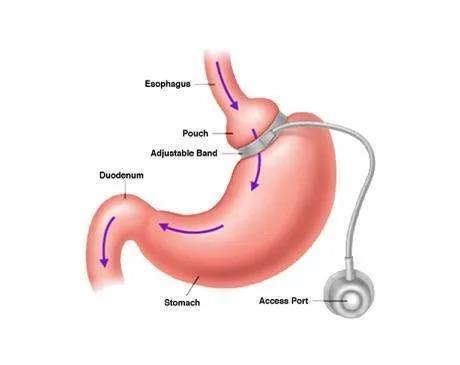
Gastric lap band surgery is a minimally invasive bariatric procedure that involves placing an adjustable silicone band around the upper portion of the stomach. This creates a smaller stomach pouch that fills quickly, helping the patient feel full after eating smaller portions.
Unlike other weight-loss surgeries, this procedure does not involve cutting or permanently altering the stomach or intestines. The digestive process remains intact, which is one reason some patients prefer this option.
How the Procedure Works
The surgery is typically performed laparoscopically, using small incisions and specialized instruments. The adjustable band is connected to a small port placed beneath the skin, usually near the abdomen. Through this port, saline can be added or removed to tighten or loosen the band as needed.
By controlling how much food the stomach can hold at one time, patients are encouraged to eat slowly, chew thoroughly, and choose nutrient-dense foods.
Who May Be a Suitable Candidate?
This procedure is generally considered for adults with a high body mass index (BMI) who have not achieved long-term success with lifestyle changes alone. Candidates should also be willing to commit to follow-up visits, dietary changes, and healthy habits after surgery.
It may be especially appropriate for individuals seeking a reversible and adjustable weight-loss option. However, not everyone is an ideal candidate, and a thorough medical evaluation is essential.
Benefits of This Weight-Loss Approach
One of the main advantages of this procedure is its adjustability. The band can be modified over time to support weight loss while minimizing discomfort. Since no part of the stomach is removed, the surgery is reversible if medically necessary.
Other potential benefits include shorter recovery time, reduced surgical risk compared to more invasive procedures, and gradual weight loss that may be easier for the body to adapt to.
Recovery and Lifestyle Changes
Recovery after surgery is usually quicker than with more complex bariatric procedures. Most patients return to normal activities within a short period, though dietary progression is gradual. Liquids are introduced first, followed by soft foods and eventually solid foods.
Long-term success depends heavily on lifestyle changes. Patients must follow portion control guidelines, maintain regular physical activity, and attend scheduled follow-up appointments to adjust the band and monitor progress.
Possible Risks and Considerations
As with any surgical procedure, there are risks to consider. These may include band slippage, irritation, or the need for revision. Weight loss results can also vary depending on patient commitment and adherence to medical guidance.
Understanding both the benefits and limitations helps patients make informed decisions about their care.
Long-Term Outcomes and Expectations
Weight loss with this procedure is typically gradual rather than rapid. Many patients find this pace more manageable and sustainable. Regular follow-up plays a key role in achieving and maintaining results, as adjustments help tailor the procedure to individual needs.
Gastric lap band surgery can be an effective tool when combined with education, support, and long-term lifestyle changes.
Final Thoughts
Choosing a surgical approach to weight management is a personal decision that should be made with careful consideration and professional guidance. With the right expectations and commitment, this procedure may offer meaningful support for individuals seeking lasting weight control. For those exploring bariatric options, experienced providers like Nihalani Group LLC focus on patient education, safety, and long-term wellness to support informed and confident decision-making.
Post Your Ad Here
Comments