How Laparoscopic Gastric Bypass Surgery Supports Safe Weight Reduction
When individuals discuss weight loss, the process is often very straightforward from a distance–just eat less, burn more calories, and be consistent. Nonetheless, anyone who is a regular participant in the weight loss process understands the frustration involved when the body does not cooperate as they wish. There are people who try diets for several months, others: switching from one exercise plan to another, and some: spending years telling themselves, “Maybe next month I will be serious.” After a while, it’s no longer a matter of vanity—it’s about wanting to breathe better, to be able to move easily, and to feel lighter in your own daily life.
This is usually the time when people first hear of laparoscopic gastric bypass surgery and begin to think if it is something they need to read up on. People’s first reaction to the subject is that it is something terrible or very hard to deal with, but once they do actually put their minds over the basics, the whole concept seems much less scary.
What the Surgery Really Involves
The word “laparoscopic” can sound complicated, but the idea is pretty simple. Instead of making one large cut, the surgeon uses a few tiny openings. Through those small spots, they guide thin instruments and a camera. That camera shows everything inside clearly, so the surgeon can work gently and precisely.
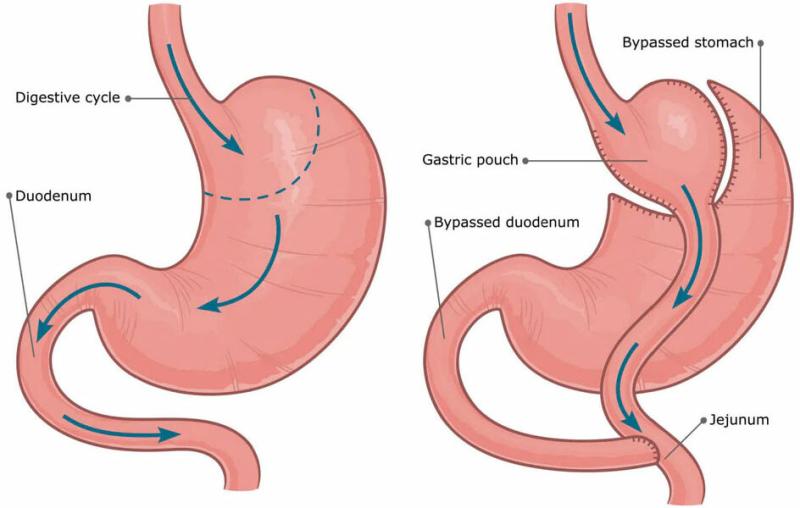
During laparoscopic gastric bypass surgery, the stomach is made smaller, and a section of the intestine is connected in a way that changes how the body handles food. You end up feeling full faster, and your body absorbs fewer calories without forcing anything unnatural. It doesn’t change who you are—it just helps your body work differently.
Why People Consider It a Safer Weight-Loss Option
One thing many people like is that weight loss doesn’t happen overnight. It’s not like those unrealistic “lose 20 pounds in 2 weeks” promises people see online. The progress actually feels steady and manageable. You’re not shocked by dramatic changes, and your body gets time to adjust.
Another reason people consider it safe is the preparation. Before the surgery, doctors check everything—from your health history to your current condition. It’s not a rushed decision. And recovery, for most people, is much smoother than they expected because of those small incisions.
Many patients also notice that health issues tied to weight—like tiredness, joint pain, blood sugar spikes, heavy breathing—start improving without them even trying. It’s almost like the body finally gets a break.
How the Changes Last Over Time
A very surprising thing for many individuals is that their food habits and preferences are automatically altered. There is no need to keep on struggling with hunger or cravings. Eventually, it is possible to get used to smaller portions and junk food does not have the same effect on you.
The small victories are the first ones to appear—walking is no longer such a tiring activity, taking the stairs instead of using the elevator is no longer a decision based on fitness, your clothes feel less tight. These “silent improvements” are often more important than the scale number.
At the moment when people begin to observe those changes, they get encouraged. And that encouragement is what helps the process to last in a natural way.
Recovery Feels More Manageable Than Most Expect
Most people imagine recovery to be scary or painful. But with this type of surgery, it’s usually more gentle. Yes, there’s some soreness and tiredness, but it doesn’t take over your whole life. Because the cuts are small, healing feels surprisingly doable.
Doctors usually encourage slow movement early on, which helps more than people realize. And the follow-up visits really guide you through the next steps—what to eat, what to avoid, how much water to drink. You’re not left with guesswork.
Who This Surgery Helps
People who feel stuck—even after trying genuine methods—often find hope here. It’s also helpful for those whose weight is directly affecting their everyday life or health. Some people choose it because they want to be able to play with their kids without feeling out of breath. Some choose it because they want to walk without knee pain. And some choose it simply because they want to feel like themselves again.
There’s no one “type” of person who benefits. It’s more about wanting a chance at better health without constantly battling your own body.
The Emotional Change Matters Too
Weight affects more than the physical side of life. It shapes how comfortable you feel when meeting people, how confident you feel in clothes, and even how much energy you have to start your day. When weight starts coming down slowly and steadily, people often feel lighter emotionally too. They feel more in control. More capable. More open to everyday life again.
It’s not just about looking different. It’s about living differently.
Final Thoughts
It is a personal choice and perfectly acceptable to think about laparoscopic gastric bypass surgery for as long as you need. This operation can help a lot if you are the kind of person who prefers a safe and gradual method of weight loss with no pressure to change drastically. If you would like to have a partner in your decision-making process who gives you honest and clear information, feel free to contact Nihalani Group LLC.
Post Your Ad Here
Comments