The Science Behind Robotic Hernia Surgery and Its Growing Use
Hernias are a common medical problem that affect people of all ages. They occur when an organ or tissue pushes through a weak spot in the muscle or connective tissue. While hernias often start small, they usually do not heal on their own and may worsen over time. Surgery is often recommended to repair the weakness and prevent future complications. In recent years, robotic technology has changed how surgeons approach hernia repair, making procedures more precise and patient-friendly.
Understanding Hernia Repair at a Basic Level
The main goal of hernia surgery is simple: return the bulging tissue to its proper place and strengthen the weakened muscle area. Traditional open surgery involves a larger incision, while laparoscopic surgery uses small cuts and a camera to guide the repair. Robotic-assisted surgery builds on laparoscopic methods but adds advanced tools that improve accuracy and control during the procedure.
How Robotic Technology Works in Surgery
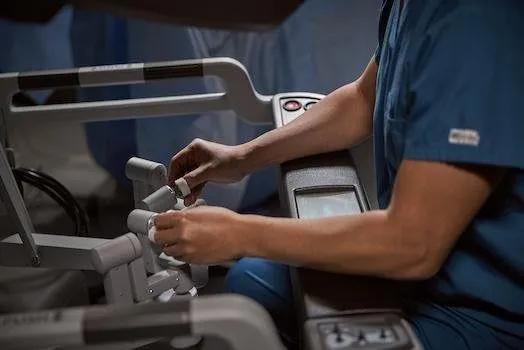
Robotic systems used in surgery are not independent machines. They are controlled by trained surgeons who guide every movement. The robotic arms hold small surgical instruments and a high-definition camera. These arms can move in ways the human hand cannot, allowing for very precise actions in tight spaces.
The camera provides a magnified, three-dimensional view of the surgical area. This clear view helps surgeons identify delicate structures such as nerves and blood vessels. By seeing more detail, surgeons can work carefully and reduce the risk of unnecessary tissue damage.
The Science Behind Robotic Precision
The scientific advantage of robotic systems lies in their ability to reduce hand tremors and enhance movement control. Even the steadiest hands can experience slight natural movement. Robotic instruments filter out these movements, allowing smooth and exact actions.
Another important feature is improved depth perception. The 3D imaging allows surgeons to judge distance more accurately, which is especially useful when placing surgical mesh or sutures. This precision helps create a strong and secure repair, which is important for long-term success.
Why Robotic Hernia Surgery is Gaining Popularity
Many surgeons and patients are showing growing interest in robotic hernia surgery due to its potential benefits. Smaller incisions often lead to less pain after surgery and reduced scarring. Patients may also experience shorter hospital stays and faster returns to daily activities.
From a surgical perspective, robotic systems allow better access to complex or hard-to-reach hernias. This includes recurrent hernias or those located in areas with dense tissue. The flexibility of robotic instruments makes it easier to perform detailed repairs with confidence.
Recovery and Patient Experience
Recovery after hernia repair varies based on the type of hernia and the patient’s overall health. However, many people report a smoother recovery when minimally invasive methods are used. With robotic assistance, tissue handling is gentle, which may help reduce swelling and discomfort after surgery.
Patients are often able to walk on the same day of surgery and resume light activities sooner than with traditional open procedures. Follow-up care remains important, as proper healing and lifestyle adjustments help protect the repair over time.
The Role of Surgeon Expertise
While technology plays a major role, the surgeon’s skill and experience remain the most important factors in successful outcomes. Robotic systems are tools that enhance a surgeon’s abilities, not replace them. Proper training and careful planning are essential to ensure safe and effective hernia repair.
Looking Ahead in Hernia Treatment
As medical technology continues to advance, robotic systems are expected to become more refined and widely available. Ongoing research and improved techniques may further reduce recovery times and enhance patient comfort. This steady progress explains why robotic hernia surgery is becoming a trusted option for many individuals seeking modern surgical care.
In conclusion, the science behind robotic hernia surgery focuses on precision, control, and improved visualization. These features support careful repairs and a positive patient experience. As more surgeons adopt this approach, patients gain access to advanced treatment options that blend technology with expert care. At Nihalani Group LLC, the focus remains on combining medical innovation with patient-centered care to support safe and effective hernia treatment outcomes.
Post Your Ad Here
Comments