The Rise and Evolution of Indian Reality Shows: A Cultural Phenomenon
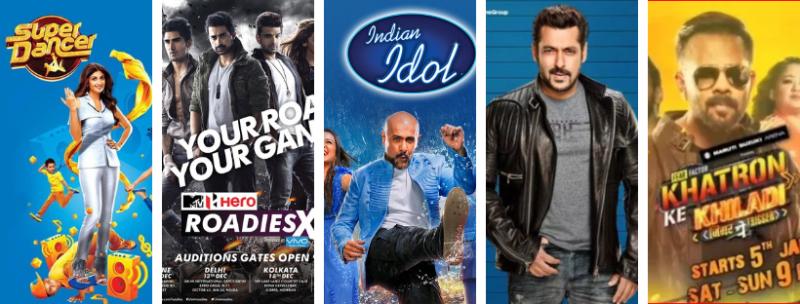
Indian television has undergone many transformations over the decades, but no shift has been as dramatic and culturally influential as the rise of reality shows. What began as a tentative exploration into unscripted entertainment has blossomed into a massive industry that engages millions of viewers, creates overnight celebrities, and sparks nationwide conversations. From singing competitions to social experiments, Indian reality shows today reflect the nation’s aspirations, anxieties, humour, creativity, and evolving social values.
In this article, we will explore the history, types, cultural significance, controversies, and future of reality television in India—offering a comprehensive view of a genre that has come to dominate modern entertainment.
Early Beginnings: When Reality TV Entered India
The concept of reality television in India can be traced back to the late 1990s and early 2000s. During this period, Indian television was still dominated by soap operas and scripted dramas. However, with the liberalization of media and the arrival of satellite channels, broadcasters sought fresh formats to attract the younger generation.
Shows like Sa Re Ga Ma Pa (1995) on Zee TV and Boogie Woogie (1996) were among the first reality-based programs that introduced competition and public participation. Though relatively simple in format, they laid the foundation for a much larger and more diverse reality TV landscape.
The major turning point came with the arrival of international formats like Indian Idol (adapted from American Idol) and Bigg Boss (adapted from Big Brother). Their success demonstrated that Indian audiences were eager for unscripted drama, emotional storytelling, and formats that combined talent, conflict, and viewer participation.
Types of Indian Reality Shows
Over the years, the genre has expanded into countless sub-categories. While each show has its unique flavour, reality television in India broadly falls into the following categories:
1. Talent-Based Shows
These include singing, dancing, comedy, and acting competitions. They are often considered the heart of Indian reality TV.
-
Singing Shows like Indian Idol, Sa Re Ga Ma Pa, and The Voice India have discovered extraordinary talent from small towns, giving individuals a national platform.
-
Dance Shows such as Dance India Dance, Jhalak Dikhhla Jaa, and Super Dancer blend creativity with storytelling and judge mentorship.
-
Comedy Shows like The Great Indian Laughter Challenge paved the way for stand-up comedy’s popularity in India.
These programs are seen as gateways to Bollywood, playback singing, modelling, and other entertainment careers.
2. Game and Adventure Shows
Adventure-based reality shows appeal especially to youth and thrill-seekers.
-
MTV Roadies revolutionised youth programming with tasks, attitude tests, and interpersonal drama.
-
Fear Factor: Khatron Ke Khiladi, hosted by Bollywood stars, brings high-adrenaline stunts to Indian audiences.
-
Splitsvilla blends romance, rivalry, and social experiments—often controversial but highly popular.
These shows emphasize endurance, strategy, personality, and competitive spirit.
3. Social Experiment Shows
This category aims to explore human behaviour and social dynamics.
-
Bigg Boss is the biggest example, placing contestants in a house with no outside contact, resulting in conflict, alliances, and dramatic situations.
-
Emotional Makeover Shows like Kaun Banega Crorepati also blend personal stories with game show elements, creating emotional resonance.
Social experiment shows tap into viewers' curiosity about human psychology and social interactions.
4. Reality Dramas and Lifestyle Shows
These include makeover shows, cooking competitions, wedding shows, and home-improvement formats.
-
MasterChef India turned cooking into a glamorous profession.
-
Indian Matchmaking (internationally on Netflix) showed the cross-cultural appeal of Indian customs.
Supermodel competitions, travel shows, and business-pitch shows like Shark Tank India have brought fresh formats into mainstream discussions.
Why Indian Reality Shows Became So Popular
There are several reasons behind the meteoric rise of reality shows in India:
1. Aspirational Storytelling
Reality shows often highlight the journeys of ordinary people from small towns striving to achieve big dreams. This relatable aspiration strikes a chord with Indian audiences.
2. Emotional Engagement
Whether it’s a contestant’s struggle, a judge’s feedback, or dramatic interactions, reality TV thrives on emotional highs and lows. Indian culture, known for its love for drama and storytelling, connects naturally with such content.
3. Viewer Participation
Voting systems, live interactions, and social media engagement empower audiences to feel involved. This democratization of entertainment is a major reason behind the genre’s sustained success.
4. Celebrity Influence
Bollywood stars hosting or judging shows—Amitabh Bachchan, Salman Khan, Priyanka Chopra, Shilpa Shetty, and others—draw massive viewership. The crossover between film and TV has increased the genre’s prestige.
5. Diversity of Content
Reality TV appeals to all demographics: children, teenagers, families, and even older audiences. There is something for everyone—music, dance, love, comedy, cooking, and even entrepreneurship.
Impact on Society and Culture
Reality shows have influenced Indian society in numerous ways, both positive and negative.
Positive Impacts
1. Platform for New Talent
Many artists who lacked resources or industry connections found fame through reality TV. Singers like Arijit Singh, Shreya Ghoshal, and Neha Kakkar emerged from these platforms.
2. Changing Mindsets
Shows focused on self-improvement, awareness, and lifestyle have helped normalize discussions around fitness, mental health, entrepreneurship, and relationships.
3. Representation of Small-Town India
Reality shows often feature contestants from remote towns and villages, highlighting diverse cultures and languages. Their success inspires many others and breaks metropolitan dominance.
4. Employment and Industry Growth
From production staff to choreographers, camera technicians, writers, stylists, and marketers, the reality TV industry generates significant employment.
Controversies and Criticisms
Despite their popularity, Indian reality shows often find themselves at the centre of debates.
1. Scripted Drama
Critics argue that many shows are semi-scripted or manipulated for TRPs. Emotional backstories, conflicts, and eliminations are sometimes perceived as engineered.
2. Toxic Behaviour
Shows like Bigg Boss, Roadies, and Splitsvilla often display harsh language, bullying, or aggression. Some viewers feel this sets a negative example, especially for younger audiences.
3. Exploitation of Contestants
The pressure to perform, emotional breakdowns, and long working hours raise ethical concerns. Child-based reality shows, in particular, have faced scrutiny regarding mental health and labour laws.
4. Sensationalism Over Substance
In pursuit of viewership, some shows prioritise sensationalism and drama over genuine talent or meaningful content.
The Business of Reality Television
Reality shows are among the most profitable genres on Indian TV. Their revenue streams include:
-
Brand sponsorships
-
Celebrity collaborations
-
SMS voting revenue
-
Digital streaming rights
-
Product placements
-
Live events and tours
Additionally, platforms like YouTube, Instagram, and OTT services amplify their reach, creating an ecosystem where contestants and shows can stay relevant even after the season ends.
Reality Shows in the OTT Era
With the rise of platforms like Netflix, Amazon Prime Video, and Disney+ Hotstar, Indian reality shows have taken on fresh formats and higher production value. OTT platforms encourage bolder content that may not be suitable for traditional television.
Some notable OTT-driven reality concepts include:
-
Indian Matchmaking
-
Fabulous Lives of Bollywood Wives
-
Dance+ digital auditions
-
Shark Tank India (simulcast and extended digitally)
OTT platforms also allow for deeper storytelling and more complex participant portrayals.
The Future of Indian Reality Shows
The trajectory suggests that reality TV in India will continue to evolve in the following ways:
1. More Digital Integration
Voting, auditions, and viewer interactions will increasingly shift to apps, social media, and AI-based platforms.
2. Region-Specific Reality Shows
Local-language programming will continue to grow, bringing culturally unique formats to regional audiences.
3. Focus on Real Skills
Shows highlighting culinary arts, business, fashion, tech, and sports are gaining popularity among urban and semi-urban audiences.
4. Ethical and Transparent Formats
Audiences are becoming more conscious of fairness and authenticity; shows may adopt clearer guidelines to avoid negative publicity.
5. International Collaborations
More Indian shows will adopt or inspire global formats, strengthening India's position in the entertainment industry.
Conclusion
Indian reality shows have become more than just entertainment—they reflect the aspirations and emotions of a diverse nation. From providing platforms to new talent and creating cultural icons to sparking debates and controversies, these shows have left an indelible mark on Indian society. Their evolution mirrors the transformation of Indian media, technology, and audience preferences.
As India continues to grow and diversify, its reality shows will likely keep adapting, innovating, and entertaining millions with stories that are dramatic, inspiring, controversial, and deeply human.
Post Your Ad Here
Comments