AI and Tattoo Design: Should Artists Embrace or Avoid Generative Art Tools
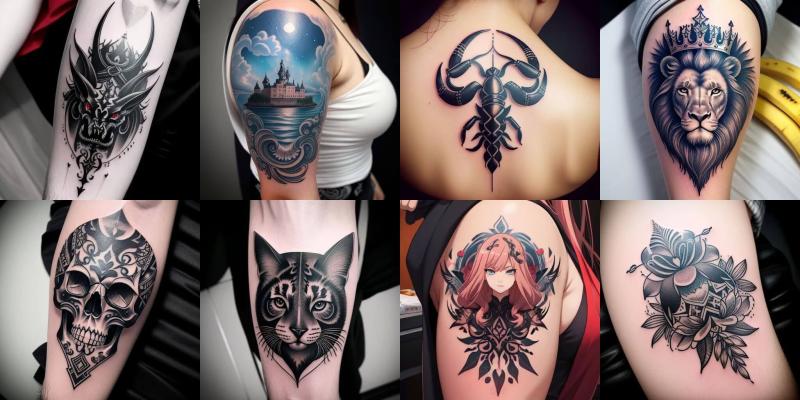
Tattooing as a business has always been about creativity, individuality, and art. However, artificial intelligence and generative art software have arrived, creating a different debate in studios around the world: Do tattoo artists want to accept AI as a collaborative tool and creative companion, or resist it to keep the process authentic?
To many tattoo artists in Surfers Paradise, AI is no longer a threat, but rather an opportunity. When such tools are more carefully employed, they can only strengthen and not substitute the artist's vision.
This blog will discuss the application of AI in tattoo creation, its prospects, and how practitioners can remain competitive in a rapidly evolving environment.
- What Is Generative Art in the Context of Tattooing?
Generative art is the art generated with an algorithm and sometimes with the aid of AI-based platforms like DALL·E, Midjourney, or Adobe Firefly. In tattooing, these devices have come in handy for generating design ideas, modifying drawing styles, and even creating complete digital mock-ups to present to the client.
Instead of applying it directly to the skin, AI in tattooing is frequently utilized during the design ideation process. It enables artists to brainstorm at accelerated speed, experiment with different styles, and make references in a minute that could have required hours of research or sketching by hand. Consider it not a replacement for the tattooing hand, but rather a generator of ideas and a source of creativity.
- How Tattoo Artists Are Already Using AI
The progressive tattoo artists are implementing AI in consultations with clients, drawing, and social media content. As an example, an artist may request a client to explain their idea in the form of keywords.
The artist would then employ a generative tool to create visual cues. These AI-made pieces can be seen as inspiration boards or some layers to be used in more personal hand-drawn art.
Some of the tattoo artists in Surfers Paradise studios are even making use of AI to make consultations customized. This might be achieved by embedding AI features in their CRM system, allowing artists to store the preferences of clients, the tattoos they have been wearing, as well as their aesthetic leanings aesthetically to suggest to them what they might want to have done, which makes it more informed and data-driven.
- Benefits of Embracing AI in Tattoo Design
Tattoo artists who will implement AI tools into their working processes will be able to unlock a few major benefits:
Speed and Efficiency: Artificial intelligence can create thousands of visual concepts in a span of a few minutes. This is especially beneficial when dealing with walk-in customers or last-minute flash sheets, etc.
Artistic Diversification: Artists have the freedom to test styles they would otherwise not choose, including surrealism, cyberpunk, or abstract motifs, without mastering every one of those separately.
Client Collaboration: With AI visualization of client ideas, artists will settle quicker on direction, resulting in a happier result.
It is not a question about whether to employ AI, but how to intentionally employ the technology in use. AI provides the opportunity to artists who are willing to enter the future; it does not invite a substitute.


Post Your Ad Here
Comments (1)
AcademIQ.io6
All-in-One School Empowerment
Tattoo artists shouldn’t fear AI — they should master it as a creative partner.
And platforms like Academiq.io can help by making research, client education, and storytelling smarter and faster, freeing artists to focus on what they do best: art that connects with people.