Hardwood Flooring in Playrooms: Smart Choice or Risky Move?
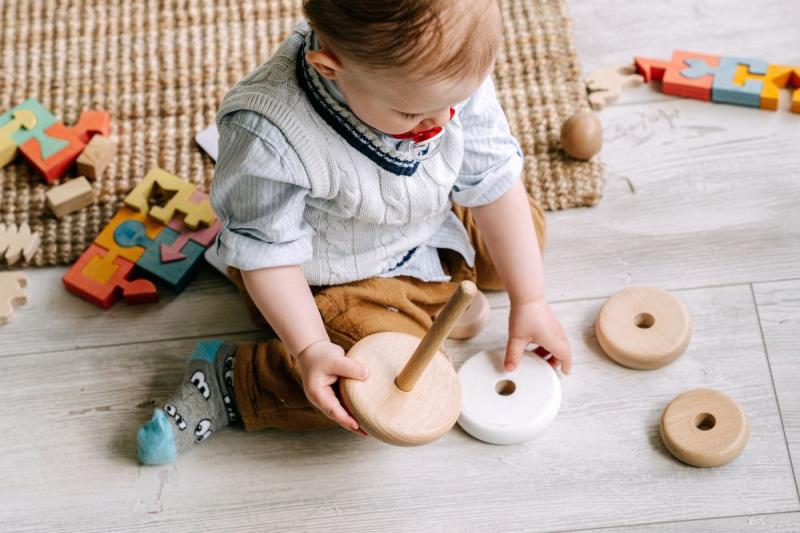
A playroom is one of the few spaces in a home where durability and comfort matter just as much as appearance. Kids play hard—jumping, running, dragging toys, coloring, spilling, and occasionally leaving a mess behind. Because of this, choosing the right flooring can feel like a tough decision. Hardwood floors are beautiful, long-lasting, and a favorite in many homes, but are they truly practical for a room designed for energetic play?
Below is a detailed guide breaking down the pros and cons of using hardwood in playrooms, along with insights from experienced flooring professionals and a real-world case study from a family who tackled this exact question. Whether you're renovating or planning new Portland ME hardwood floor installation, this guide will help you make a confident, informed choice.
Why Flooring Choice Matters in a Playroom
A playroom is more than storage for toys. It’s a space where children learn, create, and move. The flooring must support:
-
Constant activity
-
Occasional spills
-
Heavy toy traffic
-
Long-term wear and tear
Hardwood flooring can work extremely well when chosen and maintained properly, but it’s not always the automatic best solution. The key is understanding the benefits and limitations before committing.
The Pros of Using Hardwood Floors in Playrooms
1. Exceptional Durability and Longevity
Hardwood is a proven, long-lasting flooring material. When installed correctly by a trusted professional, it can withstand decades of use. While children can be tough on flooring, hardwood is stronger than many alternatives.
2. Easy to Clean and Maintain
Crayons, snack crumbs, dust, and dirt are part of everyday life in a playroom. Hardwood offers a smooth, simple-to-clean surface that doesn’t trap allergens.
A quick sweep or vacuum removes debris, while spills can be wiped without soaking into fibers—something carpet struggles with.
3. Works Well with Area Rugs
Using strategic rugs adds warmth and protection without sacrificing the elegant look of hardwood. Rugs soften falls, reduce noise, and help absorb impact from toys.
4. A Timeless, Attractive Look
Hardwood adds beauty to any room, including kid spaces. When children grow older, the playroom can naturally transition into a study, guest room, or entertainment space without flooring replacement. This makes hardwood a scalable, future-friendly investment.
5. Increases Home Value
Buyers consistently view hardwood floors as a top-rated feature. Installing hardwood—even in a playroom—can raise the home’s resale appeal and overall value.
6. Works Well with Radiant Heating
Many homes in Maine use radiant floor systems. Hardwood flooring, when installed by professionals who understand the requirements, can perform beautifully with radiant heat.
The Cons of Hardwood Floors in Playrooms
1. Susceptible to Scratches and Dents
Toy cars, building blocks, and furniture dragging can cause damage. Even high-performance hardwood isn’t completely immune.
Heavier play equipment like wooden play kitchens or small indoor slides may leave marks over time.
2. Not as Soft as Other Flooring Options
Falls on hardwood hurt more than falls on carpet or foam tile. While rugs help, hardwood will always be firmer underfoot.
3. Sensitive to Moisture
Spills aren’t a problem as long as they’re cleaned up quickly. However, standing liquid from water play, paint cups, or drink spills can cause warping or staining if ignored.
4. Potential for Noise
Hardwood can amplify sound, especially in active spaces. Without rugs or acoustic panels, playrooms may become louder than desired.
5. Slightly Higher Upfront Cost
Hardwood Installation often costs more initially compared to laminate or vinyl. However, the long lifespan can offset this cost over time.
The Best Types of Hardwood for Playrooms
Not all hardwood is equal when it comes to durability. For families considering Portland ME hardwood floor installation, choosing the right species and finish can make a major impact.
1. Harder Wood Species
Opt for naturally durable woods, such as:
-
White oak
-
Hard maple
-
Hickory
These species stand up better to scratching and denting.
2. Matte or Satin Finishes
Glossy surfaces highlight every imperfection, while matte finishes hide wear and look newer for longer.
3. Engineered Hardwood
Engineered hardwood provides stability, especially in homes with fluctuating humidity levels. Its layered design minimizes warping and can be a reliable choice for active playrooms.
Real-World Case Study: A Portland Family Converts Their Basement into a Playroom
A Portland family wanted to convert their unfinished basement into a bright, functional playroom for their three children. Initially leaning toward carpet, they hesitated because two kids had allergies. They reached out to a local Hardwood Installation contractor to discuss whether hardwood was a practical alternative.
Their Concerns
-
Would the floors scratch easily from toys?
-
Would hardwood be too cold in the winter?
-
Could spills cause long-term damage?
Solutions Provided by the Contractor
-
Recommended engineered white oak for improved moisture resistance.
-
Suggested a durable matte finish to reduce the appearance of scratches.
-
Installed sound-absorbing underlayment for noise control.
-
Paired the floors with large, washable area rugs in key play zones.
-
Advised installing a small dehumidifier to manage basement humidity.
Outcome
A year later, the family reported that the floors held up extremely well. Minor scratches were barely visible due to the finish, and the ability to easily clean spills made daily maintenance simple. The playroom now functions as both a children’s area and a future multi-purpose family space—something they would not have achieved with carpet.
This example highlights how thoughtful planning paired with professional installation transforms hardwood into a reliable, user-friendly choice even in active environments.
Tips for Protecting Hardwood Floors in Playrooms
Even with kids at their most energetic, hardwood can perform beautifully when cared for correctly.
Use Area Rugs with Non-Slip Pads
They soften play zones and protect high-traffic areas.
Add Felt Pads to Furniture Legs
Even small pieces like kid chairs can scratch floors without protection.
Establish “No Rolling Wheels Inside” Zones
Some parents designate a small toy section for high-impact toys like metal cars or scooters.
Clean Spills Quickly
Moisture is one of hardwood’s biggest enemies, but fast cleanup prevents damage.
Use a Durable Finish
Ask your installer about kid-resistant coatings designed for higher durability.
Final Verdict: Are Hardwood Floors a Good Choice for Playrooms?
The answer depends on your priorities. Hardwood floors bring long-term durability, natural beauty, and excellent resale value. When installed by a trusted and well-experienced professional like D&T Hardwood Floors, hardwood can absolutely be a practical and family-friendly option—even in a playroom.
However, it does require a bit more protection and care compared to softer surfaces. For families who want a cleaner, allergy-friendly, easy-to-maintain space, hardwood can be an excellent choice.
With smart planning, the right wood species, and quality Portland ME hardwood floor installation from D&T Hardwood Floors, hardwood floors can provide a warm, functional, and stylish foundation for any playroom—one that grows with your children and remains beautiful for years to come.
Post Your Ad Here
Comments