The Calgary Homeowner s Blueprint to a Perfect Furnace Install
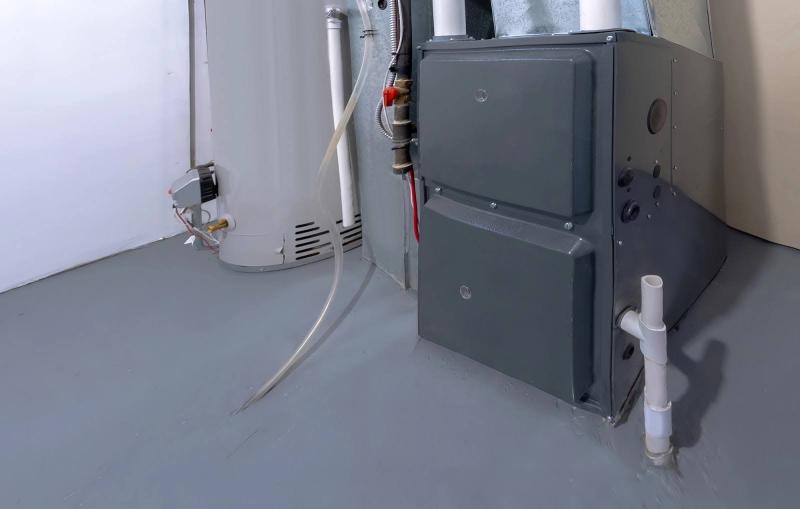
If you're planning a Furnace Install Calgary project this year, you're making a decision that will directly influence your energy bills, winter comfort, and long-term home value. In a city where temperatures regularly plunge below –20°C and rapid Chinook swings strain aging HVAC systems, the quality of a furnace installation isn’t just a technical detail it’s the difference between a smooth, efficient heating season and costly breakdowns during the coldest weeks of the year. Homeowners, builders, and even suppliers all benefit from a clearer understanding of what a “proper install” looks like in Calgary’s unique climate.
Why Furnace Installations Fail (and How to Avoid It)
Even with great equipment, a furnace can underperform if the installation isn’t done correctly. Here are the most common gaps we see in the field:
1. Poorly Assessed Airflow
Older Calgary homes especially those built before the early 2000s often have undersized returns or duct design that was never meant for today’s high-efficiency units. A proper install requires room-by-room airflow measurement, not guesswork.
2. Ignoring the Realities of Calgary’s Climate
Calgary’s rapid temperature shifts and dry winter air require specific combustion tuning and humidity planning. An installer who treats your home like it’s in Toronto or Vancouver will set you up for noisy operation, short cycling, and higher energy use.
3. Incorrect Sizing
Many homeowners assume bigger is better. Oversizing causes uneven heat, noisy ducts, and premature wear. A heat-loss calculation is mandatory not optional.
4. Venting and Gas Line Issues
High-efficiency furnaces require precise vent slope, pipe length, and termination placement. Calgary homes with finished basements often present routing challenges that inexperienced installers overlook.
The 5 Elements of a Professional-Grade Calgary Furnace Install
1. Full Home Assessment
This includes:
· Measuring static pressure
· Inspecting supply/return layout
· Reviewing previous system performance
· Evaluating insulation levels
A good installer doesn’t start with equipment they start with data.
2. Proper Heat Load Calculation
Every furnace should be sized using CSA recognized heat-loss methods. The installer should be able to walk you through the numbers, not just the model number.
3. Venting, Gas, and Code Compliance
Alberta has strict requirements for venting clearances, gas pressure, and condensate management. Missteps here lead to performance losses and even safety risks.
4. Airflow Balancing & Commissioning
Commissioning should include:
· Temperature rise verification
· Pressure readings
· Combustion tuning
· Blower speed configuration
· Documentation of final settings
This step is where many “budget installs” cut corners.
5. Homeowner Orientation & Maintenance Planning
Calgary’s dry climate accelerates filter clogging and can reduce humidity. Homeowners should leave the installation with a personalized maintenance schedule not just a manual.
When a Furnace Install Isn’t Enough: The Overlap with Furnace Repair in Calgary
Why This Matters
Sometimes what homeowners think is a “bad furnace” is actually duct restriction, an aging thermostat, or a failed sensor caused by years of postponed maintenance. Understanding where installation ends and service begin is critical for long-term efficiency.
A professional team shouldn’t just install; they should diagnose the deeper system health. This is where Furnace Repair in Calgary intersects with installation quality many repairs are preventable with better initial setup.
Key Signs You Need Repair Before Installing New Equipment
· Hot and cold spots between levels
· Rooms with little to no airflow
· High static pressure readings
· Noise during startup or shutdown
· Unexpectedly high gas usage during cold snaps
Replacing equipment without addressing the underlying system issues simply passes the problem onto your new furnace.
Local Realities Calgary Homeowners Should Factor In
1. Hard Water & Furnace Longevity
Calgary’s hard water contributes to humidifier scaling. If your new furnace works with a bypass or powered humidifier, the water supply system needs to be inspected during installation.
2. Chinooks & Combustion Tuning
Rapid air pressure changes can affect draft and combustion on older homes. A proper install includes tuning for altitude and sensitivity to pressure swings.
3. High Utility Rates
Energy efficiency isn’t just a comfort decision it's a long-term financial one. Even a 5–10% efficiency loss from poor installation translates to hundreds of dollars per year in added gas and electricity costs.
Conclusion
A high-quality furnace installation in Calgary is far more than connecting a new appliance it’s a complete system evaluation, accuracy in airflow measurement, and precise setup tailored to local climate conditions. Whether you’re upgrading, renovating, or planning for winter resilience, working with qualified professionals protects your comfort, efficiency, and long-term operating costs. And if your existing system has been struggling, pairing your install with expert furnace repair in Calgary ensures your home’s entire heating system is truly ready for the season ahead.
Post Your Ad Here
Comments