Phoenix Helmet: The Symbol of Resilience, Safety, and Innovation
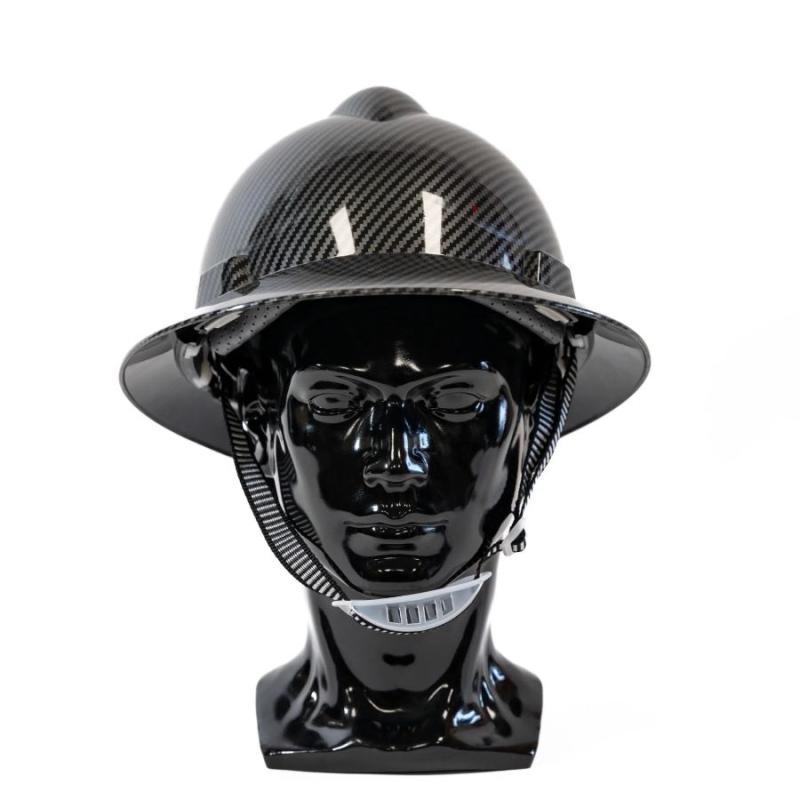
In the world of personal protective equipment (PPE), few items carry as much weight—literally and metaphorically—as the helmet. From ancient warriors to modern firefighters and motorcyclists, the helmet has symbolized protection, identity, and resilience. Among the many names in the helmet industry, Phoenix helmet stands out for its deep-rooted symbolism, innovative craftsmanship, and dedication to safety.
But what exactly is the Phoenix helmet? Why does it resonate with professionals and enthusiasts across industries? In this article, we explore the history, evolution, features, applications, and significance of the Phoenix helmet in today’s safety gear market.
The Symbol Behind the Name: Phoenix
Before diving into the technical and practical aspects, it’s important to understand the symbolic essence of the phoenix. The phoenix is a legendary bird found in mythologies around the world, most notably in ancient Egyptian, Greek, Chinese, and Native American traditions. It represents rebirth, transformation, endurance, and immortality. The bird is said to rise from its own ashes, stronger and more radiant after each life cycle.
This symbolism aligns perfectly with the function of a helmet. Helmets are built to withstand impact, protect during adversity, and help wearers emerge safely from hazardous situations. The Phoenix helmet, therefore, isn’t just a name—it’s a concept. It represents protection through fire, durability under pressure, and resilience in the face of danger.
Origins of the Phoenix Helmet
While the term "Phoenix helmet" can refer to different helmets across contexts—such as firefighting, motorcycling, and even tactical use—it often points to a premium category of helmets engineered for high-performance, high-risk environments.
The helmet gained attention among firefighters in the United States, especially on the West Coast, where a distinctive style known as the “Phoenix-style helmet” became popular. These helmets are lightweight, structurally sound, and compliant with rigorous safety standards. Over time, the Phoenix helmet evolved to meet the needs of EMS personnel, search and rescue teams, and motorcyclists who demand both function and comfort.
Design Philosophy: Lightweight, Durable, and Comfortable
One of the main reasons the Phoenix helmet has maintained its popularity is its ergonomic design philosophy. In contrast to heavier traditional helmets that can cause fatigue over extended wear, the Phoenix helmet prioritizes a low center of gravity and optimal weight distribution.
This design reduces neck strain and allows the wearer to maintain agility in high-pressure environments. Whether it’s a firefighter entering a smoke-filled building or a motorcyclist navigating rough terrain, the Phoenix helmet provides the balance and comfort required for long-duration use.
Additionally, Phoenix helmets are often modular, meaning users can adapt them with accessories like face shields, hearing protection, communication gear, and lighting mounts. This adaptability increases the helmet’s usefulness across multiple disciplines.
Materials and Construction
What sets the Phoenix helmet apart from others is not just its shape or feel but the materials used in its construction. Common materials include:
High-impact thermoplastics: Known for durability and heat resistance.
Fiberglass composites: Lightweight and strong, with better performance during impact.
Kevlar or aramid fibers: Used in high-end models for superior heat and puncture resistance.
Leather (for traditional styles): Offers nostalgic appeal and fire resistance.
Each material serves a specific purpose, depending on the application. For example, firefighting helmets require materials that can withstand extreme temperatures, while motorcycle helmets must absorb and dissipate energy from high-speed impacts.
The inner lining often includes expanded polystyrene (EPS) or other impact-absorbing foams, and the suspension system is carefully engineered to allow a snug, secure fit without compromising breathability or head movement.
Applications Across Fields
Firefighting
Phoenix helmets are best known for their role in fire service. Firefighters wear these helmets to protect their heads from falling debris, intense heat, and electrical hazards. The design typically includes a rear brim to deflect water and debris, and side-mounted accessories to enhance functionality.
For many departments, especially those in California and other wildfire-prone regions, Phoenix helmets offer an ideal balance between weight and durability. The lighter build helps reduce fatigue during long shifts or rapid-response situations in urban or wildland fire zones.
Emergency Medical Services (EMS)
In the EMS world, personnel require helmets that allow clear communication, visibility, and maneuverability. Phoenix helmets designed for EMS use are typically lighter and include accessory mounts for headlamps or visors. They help protect EMS workers when operating near traffic accidents, during extractions, or in chaotic environments where falling objects or impact risks exist.
Search and Rescue
Search and rescue teams, especially those involved in technical rescue, urban disaster response, or mountain operations, often choose Phoenix helmets for their modularity and ruggedness. These helmets often include night vision goggle compatibility, communication ports, and chin straps designed for security during rope-based operations.
Motorcycling and Motorsports
In motorsports and recreational motorcycling, the Phoenix helmet name is associated with high-quality full-face or modular helmets. These models prioritize aerodynamics, ventilation, and crash protection, offering riders peace of mind without sacrificing performance.
Whether cruising on a highway or participating in track-day events, riders appreciate the aerodynamic shape and internal cushioning of Phoenix helmets, especially during long rides where helmet weight can affect neck and shoulder fatigue.
Meeting Safety Standards
Safety is at the heart of every Phoenix helmet. These helmets typically meet or exceed the following standards, depending on the model and intended use:
NFPA 1971: For structural firefighting helmets.
NFPA 1951: For technical rescue.
DOT (Department of Transportation): For motorcycle helmets in the U.S.
ECE 22.05 or 22.06: For international motorcycle helmet compliance.
OSHA compliance: For workplace safety in EMS and industrial settings.
Each helmet is tested for impact resistance, flame resistance, penetration, and retention system integrity. For fire helmets, additional testing ensures protection against high temperatures, conductive heat, and radiant energy.
Customization and Identity
Another hallmark of the Phoenix helmet is its ability to be personalized. Firefighters and EMS workers often customize their helmets with:
Name tags or ID panels
Reflective decals
Department insignia
Leather front shields
Honor or memorial patches
This personalization adds a layer of identity and pride, turning each helmet into more than a piece of equipment. It becomes a symbol of service and dedication.
For motorcyclists, customization options include interchangeable visors, colored shells, and graphic designs that allow self-expression while staying protected.
Maintenance and Longevity
Like all safety equipment, a Phoenix helmet requires proper care and periodic inspection. Key maintenance tips include:
Regular cleaning: Use mild soap and water; avoid harsh chemicals that can degrade materials.
Inspection for cracks or wear: Look for damage to the shell, liner, and suspension system.
Storage: Store in a cool, dry place away from direct sunlight or chemicals.
Replacement: Replace the helmet after any major impact, or according to the manufacturer’s recommended timeline, usually every five to ten years.
Well-maintained Phoenix helmets can last years and provide dependable protection when it’s needed most.
The Emotional Connection
Beyond its technical aspects, there’s an emotional connection many wearers have with their Phoenix helmets. For a firefighter, it may be the helmet they wore during their first call. For a motorcyclist, it might have saved them during a fall. For a search and rescue member, it’s a reliable companion during long, cold nights in dangerous terrain.
The Phoenix helmet becomes a symbol of trials overcome, battles fought, and lives saved. Its significance often goes beyond its physical form—it becomes part of a story, a career, and a legacy.
Common Myths and Misconceptions
Despite its many benefits, there are a few common misconceptions about the Phoenix helmet that deserve to be addressed:
“Phoenix helmets are not NFPA-compliant.”
This is not accurate. When properly equipped with certified components like eye protection and earlaps, Phoenix helmets meet or exceed all NFPA standards for their respective categories.
“They are too light to be safe.”
Lightweight doesn’t mean weak. In fact, modern materials like Kevlar and fiberglass offer high strength-to-weight ratios, enabling Phoenix helmets to remain light while providing top-tier protection.
“Leather helmets are outdated.”
While they carry a traditional look, Phoenix’s leather-style helmets are made with updated safety materials and engineering. They combine the best of both worlds—heritage and innovation.
Why Choose a Phoenix Helmet?
There are many helmet brands available, each with its strengths. However, the Phoenix helmet offers a unique combination of features that makes it stand out:
Symbolism rooted in resilience and protection
Lightweight construction for reduced fatigue
Compliance with the latest safety standards
Customization options for identity and pride
Proven reliability in real-world conditions
Trusted by professionals across multiple industries
Whether you’re running into a burning building, responding to a medical emergency, navigating off-road terrain, or riding down the highway, the Phoenix helmet offers the protection and performance you need.
Final Thoughts
In a world where safety is non-negotiable, the Phoenix helmet delivers on every front—protection, comfort, identity, and innovation. It embodies the spirit of its namesake: enduring, adaptable, and always rising to the occasion.
For those who serve, ride, and rescue, the Phoenix helmet is more than a piece of equipment—it’s a trusted ally in the line of duty.
Post Your Ad Here
Comments