Increasing patient engagement through digital health, want to know how!
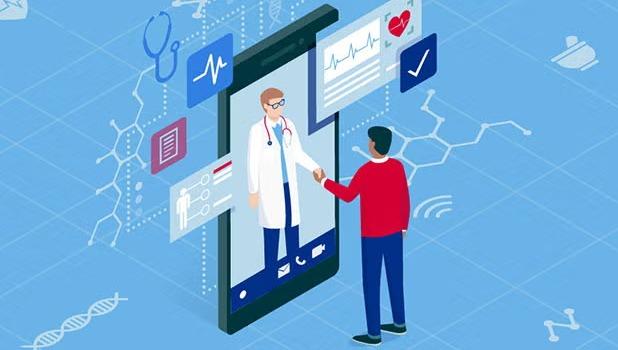
Table of contents:
What is digital patient engagement?
Benefits of digital health for patient engagement
How digital patient engagement increases through technology?
What is the role of digital health tools in patient engagement?
Final thoughts
Patient involvement has changed from being a fad in healthcare to becoming important to providing high quality treatment. By 2025, patient education and meaningful engagement will be the main priorities in order to improve health outcomes. With the correct resources, healthcare professionals can improve patient satisfaction and treatment plan adherence by bridging the gap between clinical settings and routine patient experiences.
By enabling active patient participation in their health journey, these technologies promote a cooperative setting where patients and doctors can exchange information with ease. The top tools for patient engagement 2025 are examined in this blog.
What Is Digital Patient Engagement?
Digital patient engagement is the process of using technology to encourage people to take an active role in their medical care. In order to promote open communication, increase health literacy, and increase self management, this can take many different forms including patient portals, telehealth platforms and mobile apps. With the help of these resources, you can enable your patients to monitor their health information, adhere to treatment regimens, and communicate with their medical team.
By placing your patients at the center of care, this strategy improves their satisfaction and health results. The ongoing, accessible and personalized nature of digital patient engagement encourages people to actively manage their health. For both patients and doctors, digital solutions simplify the process of scheduling appointments and tracking chronic disorders.
Benefits of Digital Health For Patient Engagement
The healthcare industry is changing due to digital patient engagement solutions, which are making it more patient friendly, individualized and accessible. Although navigating the healthcare system can be difficult at times, advancements in digital health are removing obstacles and giving patients greater autonomy and choice over their care.
Ease of access is a major way that digital health improves the patient experience:
By connecting with medical professionals from the comfort of their own homes using mobile apps, telehealth services, and internet portals, patients can save travel and wait times.
For people who live in rural places or have mobility issues, these tools are especially helpful because they make it possible for them to get treatment without facing financial obstacles.
Another significant advantage is the shift to patient centered care technology, which prioritizes the particular health needs of each person:
Patients can access individualized care plans at any moment, enabling them to track their progress after treatment or manage chronic diseases.
Patient satisfaction is increased by this degree of personalization, which makes care more customized to the patient's needs.
How Digital Patient Engagement Increases Through Technology?
Healthcare professionals can use digital health tools to greatly increase patient happiness and engagement. These tools enable people to actively participate in their treatment, in addition to improving communication. Healthcare practitioners can use technology to accomplish the following practical digital patient engagement strategies:
Promote The Use Of Apps For Mobile Health
Patients can use mobile health apps to keep track of appointments, schedule prescription reminders and monitor their health. Promoting the use of these applications can assist patients in maintaining their commitment to their treatment regimens.
In order to make sure that the resources satisfy the needs of each patient, providers can suggest apps that are designed for particular ailments such as diabetes control or mental health support.
Implement Telehealth For Routine Check-Ins
Providing telehealth services for routine check-ins and follow up appointments can assist to make sure that patients and providers communicate consistently, particularly for individuals who are managing chronic diseases.
In addition to being convenient, this encourages ongoing interaction because consumers may readily communicate with their healthcare providers without physically visiting a clinic.
Make Use Of Patient Portals To Easily Access Medical Information
Patients can stay informed about their health by having access to online health portals where they can examine their prescription history, lab results and care plans.
Making health information easily available increases the likelihood that patients will feel involved and take charge of their care choices.
Provide Customized Digital Care Plans
Utilize digital patient engagement platforms to customize care plans to each patient's specific requirements. Patients might feel supported by receiving individualized care plans that include follow-ups, reminders and health advice through patient portals or mobile apps.
Frequent feedback and updates via these channels support patient's dedication to their treatment.
Healthcare professionals can increase the entire patient experience by putting these patient engagement services into practice. Using resources such as telehealth services and mobile health apps for patient care keeps patients actively engaged in their health management, which improves results and boosts satisfaction.
What Is The Role Of Digital Health Tools In Patient Engagement?
Patient provider interactions have changed dramatically as a result of the proliferation of digital patient engagement tools. These tools improve communication and strengthen bonds between patients and clinicians. Some of the most effective digital health tools that are improving patient involvement are as follows:
Smartphone Apps For Mobile Health
These apps let users make appointments, track prescriptions and keep an eye on their health. Through features like personalized insights, health advice and reminders, mobile health applications empower people to actively manage their health. Better results and increased treatment plan adherence are the results of this direct participation.
Telehealth
The COVID-19 pandemic hastened the use of telehealth to engage patients, establishing it as a common practice in the provision of healthcare. When a patient is unable to physically attend a clinic, telehealth enables them to consult with their healthcare providers from a distance, guaranteeing that they have access to medical care. Regular participation is encouraged by this convenience, particularly for people with chronic diseases that require constant monitoring.
Digital Health Platforms
All inclusive platforms give patients access to their individualized treatment plans, lab data and medical records. By keeping patients up to date on their health, these platforms empower individuals to take part in decision making. These platforms make it simple to communicate with healthcare teams which improves the patient provider relationship.
In order to promote more meaningful and ongoing interactions with their patients, healthcare providers can use these digital patient engagement tools.
Final Thoughts
Digital patient engagement with their healthcare providers has changed as a result of digital health, which has made care more engaging, personalized and accessible. From technology and AI-powered tools to telehealth services and mobile health apps, these innovations have enabled individuals to actively participate in their treatment. Healthcare professionals can improve treatment adherence, communication, and overall results by encouraging patients to use technology more.
Stay current and make an investment in communication that works. If you need more help regarding the digital patient engagement, book a consultation with Prime Well Med Solutions now!

Post Your Ad Here
Comments