A Buyers Guide to Tractor GPS Installations and Compatibility
Modern agriculture depends heavily on technology that improves efficiency, precision, and crop consistency. Among the most valuable upgrades for today’s farms is a reliable GPS for Tractor system. Whether you manage a large commercial operation or a smaller property, installing the right guidance system can reduce overlaps, cut fuel use, and help achieve accurate planting, spraying, and harvesting. This buyer’s guide explains what to look for in compatibility, hardware, and installation so you can make a confident investment.
Understanding What Tractor GPS Systems Do
Tractor GPS technology uses satellite signals to guide equipment along highly accurate paths across a field. The system helps operators maintain straight lines, avoid missed strips, and repeat the same tracks for different tasks throughout the season. By following pre-set paths, farmers can reduce human error and work effectively even in low visibility. When choosing a GPS for a Tractor, understanding the core function helps you decide what level of precision and features your farm truly needs.
Checking Tractor Model and System Compatibility
Compatibility should be your first consideration before purchasing any GPS guidance system. Older tractors may require additional components such as hydraulic steering kits or electric steer motors, while newer tractors often come pre-ready for add-on technology. Review your tractor’s make, model, and year to ensure the system fits both mechanically and electronically. Some guidance units work universally, but others support only specific brands. Confirming compatibility early avoids costly retrofitting and ensures the system can communicate properly with your tractor’s steering, power, and display ports.
Choosing Between Lightbars, Assisted Steering, and Autosteer
Tractor GPS systems come in different forms based on the level of automation you want in your equipment. Entry-level lightbar guidance provides visual cues for steering manually, making it suitable for basic fieldwork. Assisted steering uses an electric motor to turn the wheel while you supervise. Full autosteer integrates directly with the tractor’s hydraulics, offering hands-free precision for tasks such as planting and spraying. Autosteer models typically deliver the highest accuracy but require more detailed installation checks. Think about your field sizes, crops, and labour availability before selecting a level of automation.
Selecting the Right Display and User Interface
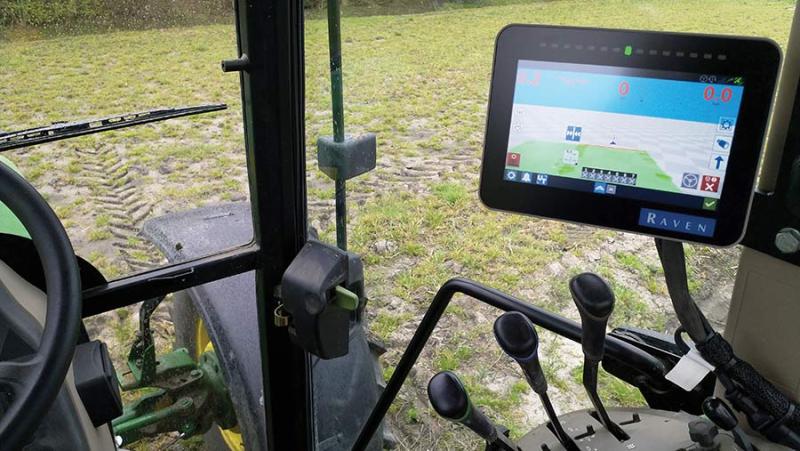
The screen or display unit is the control centre of your tractor GPS system. Larger displays make it easier to monitor coverage maps, steering patterns, and field boundaries. Look for high-resolution screens that remain visible in sunlight. A user-friendly interface is essential for minimising training time, especially if multiple operators use the same machine. Systems that offer customisable layouts, easy menus, and intuitive icons create smoother workflows for day-to-day tasks.
Understanding Signal Accuracy and Correction Options
Accuracy is a significant factor in how well your guidance system performs. Standard satellite signals offer basic precision suitable for fertilising or tillage. However, tasks such as planting or controlled-traffic farming require better accuracy. RTK correction services can deliver centimetre-level precision. Before installing a GPS for a Tractor, check the availability of correction networks in your region. If you operate in remote areas, consider systems that support base stations or multiple satellite constellations for consistent reliability.
Installation Requirements and Professional Assistance
While some farmers install lightbar units themselves, more advanced systems benefit from professional installation. Running wiring harnesses, connecting hydraulic components, and calibrating sensors require precision. A trained technician can ensure the system is installed securely, neatly, and safely. They can also confirm steering settings, enhance accuracy, and guide you through operation basics.
Looking Ahead: Upgrades and Scalability
A good tractor GPS system should grow with your farm. Before purchasing, evaluate whether the brand supports future upgrades such as Autosteer, ISOBUS implement control, or advanced mapping tools. Scalable technology ensures your investment remains valuable as your farm expands or adopts more precision agriculture practices.

Comments