Balancing Academics and Wellbeing: The Private School Approach to a Whole-Child Education
A New Definition of Success in Private Education
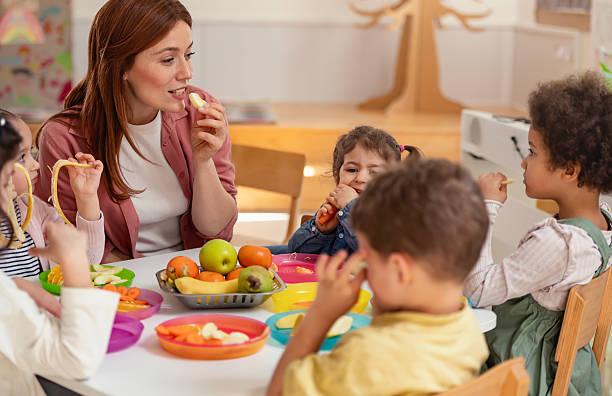
Private schools today recognise that academic success is only one part of a much bigger picture. Parents increasingly want environments where children feel safe, supported, understood, and inspired — places where emotional, mental, and social wellbeing are just as valued as grades. This whole-child approach ensures that learning becomes not just a task, but a joyful, meaningful journey.
Why the Whole-Child Approach Matters
At the heart of this educational philosophy is the belief that children learn best when all aspects of their development are nurtured. Private schools work intentionally to cultivate confidence, emotional resilience, curiosity, and independence alongside academic achievement. This creates balanced learners who feel equipped to tackle challenges both inside and outside the classroom.
Personalised Learning That Helps Every Child Thrive
One of the defining strengths of private education is the ability to tailor learning to each pupil. Smaller class sizes allow teachers to understand individual strengths, needs, and learning styles, enabling them to create lessons that truly connect with children. It’s this personalised attention that many families look for when exploring primary schools in caterham, where tailored support helps pupils perform at their very best.
Strong Pastoral Care as a Foundation for Success
Wellbeing is deeply embedded in daily school life. Dedicated pastoral teams, form tutors, and support staff work to ensure every child feels seen, heard, and valued. Children learn to manage emotions, develop empathy, and build healthy relationships — skills that directly support their academic progress by providing the emotional stability they need to learn with confidence.
A Broad, Balanced Curriculum That Encourages Growth
Whole-child education thrives when children experience a varied and stimulating curriculum. Private schools integrate academics with sport, art, music, drama, languages, outdoor learning, and hands-on exploration. This balance ensures that children not only meet high academic standards but also have the space to discover their passions and talents.
Extracurricular Activities That Build Character
Beyond the classroom, children take part in clubs, leadership roles, community projects, competitions, and creative opportunities that help develop teamwork, independence, and resilience. These experiences teach valuable life skills, shape character, and help children understand the importance of contributing to the world around them.
A Supportive Partnership Between Home and School
Whole-child education flourishes when parents and teachers work closely together. Regular communication, parent workshops, progress updates, and open dialogue allow schools to fully understand each child’s personal needs and support their development consistently. This collaborative approach is one of the reasons many families choose the Best schools in Caterham, where the relationship between home and school is strong and purposeful.
Preparing Children for Lifelong Success
When academics and wellbeing are balanced with intention, children grow into confident, self-aware, motivated learners. They leave school not only with excellent knowledge and skills, but also with resilience, emotional intelligence, and a genuine love of learning — qualities that serve them well throughout their lives.
Post Your Ad Here
Comments