Mud, Sunshine, and Smiles: Why Outdoor Play Is Essential for Nursery Children
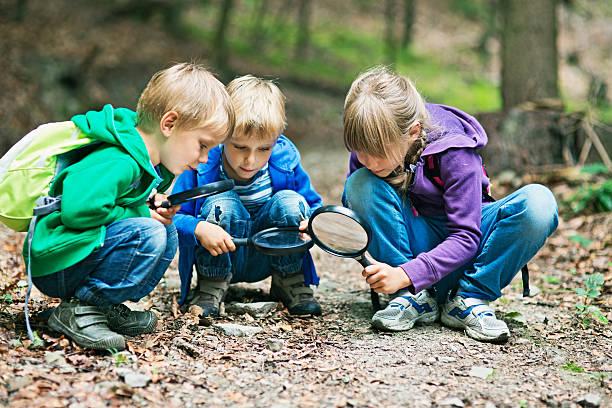
In an age where screens and indoor activities dominate, outdoor play has never been more vital for young children. The early years of development thrive on movement, exploration, and connection with nature — and what better place to nurture these qualities than the nursery playground? From mud kitchens to sand pits, from tree hunts to water play, time spent outdoors gives children freedom to learn, grow, and simply be children.
Outdoor play is not just about running and shouting; it’s a fundamental part of learning that supports physical health, emotional wellbeing, and cognitive growth. When children step outside, they step into a world of curiosity — one where every puddle is a science experiment, every stick can be a magic wand, and every moment is a chance to discover something new.
The Role of Outdoor Play in Early Development
Outdoor environments offer something that even the most stimulating indoor classroom cannot — the space and freedom to explore on a large scale. Running, climbing, and balancing develop gross motor skills, while handling natural materials like pebbles, leaves, and sticks enhance fine motor control.
A well-designed nursery in wembley understands the deep connection between outdoor activity and early development. The physical movement that outdoor play encourages helps build strong bones, improves coordination, and strengthens the cardiovascular system. It also supports sensory integration — the brain’s ability to process and respond to different sensory inputs — which is key to learning readiness and emotional regulation.
Moreover, being outside allows children to take safe risks, fostering confidence and resilience. Whether they’re figuring out how to balance on a log or discovering how plants grow, each new experience builds self-assurance and problem-solving skills.
Nature as the Ultimate Classroom
Nature provides endless opportunities for hands-on, open-ended learning. Every season offers something unique — from the crunch of autumn leaves to the soft bloom of spring flowers. Children learn about science and the environment not through memorization, but through direct interaction.
Outdoor play helps children understand cause and effect — what happens when they pour water into soil, or when wind blows through a line of trees. They observe, hypothesize, test, and learn, often without realizing that they’re doing early scientific inquiry.
These natural interactions also nurture environmental awareness and respect. When children see insects at work or plants growing from tiny seeds, they begin to appreciate the living world and their place within it.
Boosting Emotional and Social Wellbeing
The emotional benefits of outdoor play are just as powerful as the physical ones. Open spaces give children a sense of freedom, reducing stress and anxiety. Exposure to natural light boosts mood and energy levels, while unstructured play fosters creativity and imagination.
Socially, the outdoors is a natural setting for collaboration. Children work together to build dens, dig holes, or create make-believe worlds. They negotiate roles, solve conflicts, and practice empathy — all essential social skills that will serve them for life.
At a well-established wembley nursery, educators often integrate outdoor learning into the daily curriculum. Storytime might happen under a tree, counting activities in a sandpit, or creative art projects inspired by nature. This holistic approach connects emotional, cognitive, and physical learning in a seamless, joyful way.
Encouraging Independence and Confidence
When children explore the outdoors, they learn to trust themselves. Climbing a small hill or balancing on a log may seem simple, but to a child, these acts are milestones of courage and independence. Every challenge overcome builds self-esteem and teaches perseverance.
Outdoor play also promotes decision-making and autonomy. Children learn to assess risk — deciding whether they can climb higher, jump farther, or build stronger. These choices foster independence and critical thinking, key traits that prepare them for school and beyond.
The Link Between Outdoor Play and Academic Success
Research consistently shows that children who spend time outdoors perform better academically in later years. Physical activity improves concentration and memory, while time in nature enhances creativity and problem-solving. Outdoor play supports holistic brain development — engaging both hemispheres through sensory-rich, movement-based experiences.
When learning is active and experiential, it sticks. For example, counting pebbles or observing shadows brings mathematics and science to life in ways a worksheet never could. These concrete, tactile experiences lay strong foundations for abstract thinking in the future.
A Shared Responsibility: Parents and Educators
Encouraging outdoor play is a shared mission between parents and educators. Families can extend outdoor learning by spending time in parks, gardens, or even backyards — collecting leaves, observing clouds, or growing plants together.
Educators, meanwhile, can design play spaces that stimulate curiosity while ensuring safety and inclusivity. The best nurseries treat their outdoor areas not as recess zones but as living classrooms — dynamic environments that evolve with the seasons and the children themselves.
Conclusion: Let Them Be Little Explorers
Outdoor play is not a luxury; it’s a necessity. It lays the foundation for physical health, emotional resilience, and lifelong curiosity. Through mud, sunshine, and smiles, nursery children learn some of life’s most important lessons — how to move, explore, share, imagine, and connect.
By prioritising outdoor learning, nurseries ensure that every child experiences the joy of discovery and the confidence that comes from exploring the world with all their senses. Because when children are free to play under the open sky, they’re not just having fun — they’re growing, learning, and thriving in the most natural way possible.
Post Your Ad Here
Comments