Growing Green Minds: How Sustainable Practices Start in Nursery Schools
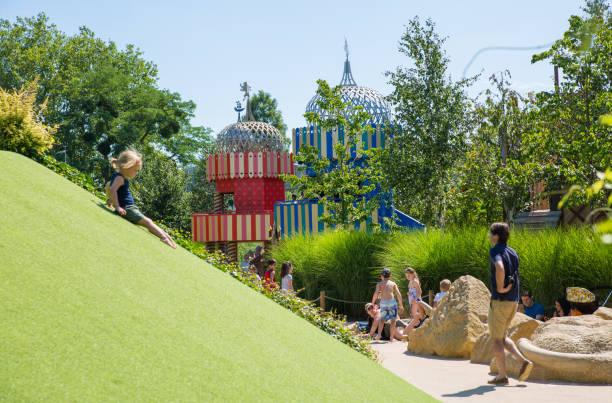
In today’s world, teaching sustainability isn’t just a topic for older students—it’s a way of life that can begin as early as nursery school. Children are naturally curious, observant, and eager to learn about the world around them. By introducing eco-friendly habits and environmental awareness early, nurseries can help shape responsible, compassionate individuals who understand the importance of caring for their planet.
From recycling and gardening to mindful use of resources, sustainable practices in nursery education plant the seeds of lifelong environmental consciousness. These experiences not only teach practical lessons but also encourage children to think critically about their impact on the world.
Why Sustainability Matters in Early Childhood
The early years are a crucial period for developing habits and values that last a lifetime. When children are encouraged to care for nature and understand the cycle of life, they grow into adults who value environmental stewardship.
Introducing sustainability in nurseries isn’t about complex environmental theories—it’s about small, consistent actions. From switching off lights when not in use to reusing materials for crafts, these daily activities teach mindfulness and respect for resources.
A wimbledon day nursery that integrates eco-conscious practices into everyday learning provides children with real-life opportunities to see how their actions can make a difference. These experiences empower children to become active participants in protecting the planet, rather than passive observers.
Hands-On Learning: The Power of Green Play
One of the most effective ways to teach sustainability to young children is through hands-on, experiential learning. Gardening, for instance, allows children to understand how food grows, the importance of soil, and the value of nurturing living things. Planting seeds, watering plants, and watching them grow give children a sense of responsibility and patience.
Outdoor learning also plays a key role. Spending time in nature fosters appreciation for the environment and develops children’s sensory awareness. Activities like collecting leaves, observing insects, and exploring natural materials create a sense of wonder and respect for the natural world.
Recycling and Reusing: Lessons in Resourcefulness
Recycling is one of the easiest and most effective sustainability lessons for young learners. By sorting materials, reusing packaging, or creating crafts from discarded items, children learn that waste can have new life and purpose.
These activities also encourage creativity and problem-solving. For instance, a cardboard box might become a spaceship, a castle, or a puppet theatre—demonstrating that imagination is often the best form of recycling.
Teachers can further reinforce these lessons by using sustainable classroom materials, such as wooden toys, natural fabrics, and non-toxic paints. These eco-friendly choices model responsible consumption for children and parents alike.
Sustainable Habits in Daily Routines
Small, everyday actions form the backbone of sustainable nursery life. Encouraging children to turn off taps while washing hands, switch off lights when leaving a room, or bring reusable containers for snacks teaches responsibility and environmental care.
These routines also promote mindfulness—helping children become aware of how their daily habits affect the world around them. Over time, these habits extend beyond the classroom, influencing family behaviours at home and within the wider community.
Collaboration Between Staff, Parents, and Community
Sustainability in nursery schools thrives when everyone—teachers, children, and families—works together. Parent engagement can amplify eco-education by reinforcing similar values at home. Workshops, newsletters, and community clean-up days are great ways to involve families in sustainability projects.
Local partnerships also play a role. Working with community gardens, recycling centers, or local conservation groups can expose children to real-world examples of environmental action. This community-based approach strengthens the connection between classroom learning and real-life impact.
The Role of Teachers in Nurturing Eco-Awareness
Educators are instrumental in cultivating a culture of care and sustainability. By integrating green principles into lesson plans, teachers can help children understand the interdependence between people and nature. Storytime can include books about the environment, while art projects can use natural or recycled materials.
In nursery schools in wimbledon, teachers often embed sustainability into both play and pedagogy, encouraging children to think critically and act compassionately. Through their guidance, children learn not just about recycling or conservation, but about empathy, cooperation, and global responsibility.
Long-Term Benefits of Early Sustainability Education
Teaching sustainability in nursery school doesn’t just benefit the planet—it nurtures essential life skills. Children learn responsibility, teamwork, problem-solving, and patience. They begin to see themselves as part of a global community, capable of contributing positively to the world.
Research shows that early exposure to environmental education leads to long-term pro-environmental attitudes. When children see themselves as caretakers of the Earth, they grow into adults who are more likely to make sustainable choices in their personal and professional lives.
Conclusion
Sustainability education in nurseries is more than an environmental initiative—it’s an investment in the future. By introducing green practices early, we give children the tools, values, and mindset to protect their planet for generations to come.
From tending to a garden to recycling a bottle, every small act of care contributes to a larger lesson: that we all have a role in shaping a sustainable world. When nurseries prioritise eco-conscious education, they’re not just growing young minds—they’re cultivating the next generation of global citizens with green hearts and thoughtful hands.

Post Your Ad Here
Comments (1)
Jassy Rayder10
Marketing Expert
Nice post! keep posting.