The Importance of Industrial Dried Apricots in the Food Industry
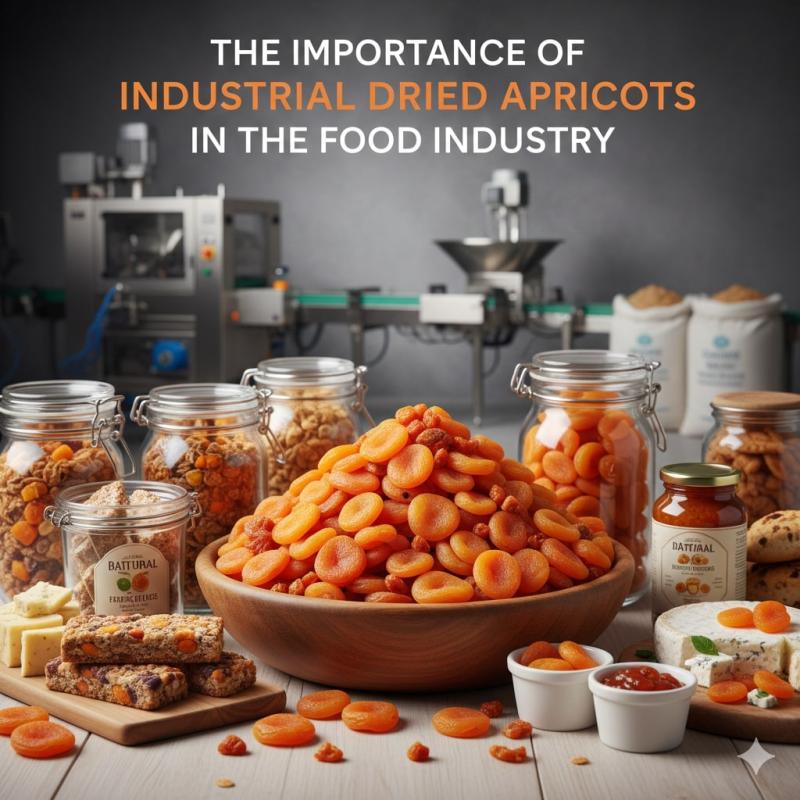
The Importance of Industrial Dried Apricots in the Food Industry

The food industry is undergoing rapid developments across the globe owing to the demands of customers, developments of newer products, as well as an increase in the demand for natural ingredients. Some of the ingredients among others that continue gaining popularity across global markets include Industrial Dried Apricots—a highly versatile ingredient. The driving forces of the demand of this ingredient include the unique skills of every Industrial Dried Apricots producer as well as the ever-extending global coverage of all Industrial Dried Apricots exporters.
The Importance of Industrial Dried Apricots in Contemporary Food Processing Operations
As consumption patterns among customers become more focused on clean label, fruit-derived, as well as natural sources of sweetness, industrial apricot products become an acutely appealing ingredient. They provide a number of benefits which make it an ingredient of preference among brands and manufacturing units:
Natural sweetness with no artificial flavoring
Appealing color and fruit smell
Long shelf life with low waste production
High fiber and nutritional levels
High compatibility with both sweet and savory dishes
Due to its properties, Industrial Dried Apricots can now be found in large manufacturing units as a stable ingredient that can increase the nutritional value of food.
The Process of Drying Apricots Industrially
The process starts with selecting raw materials from countries famous for the quality of apricots. Turkey stands out as the global capital of apricots. The task of processing dried whole apricots into usable ‘Industrial-Dried-Apricots-Producer’ forms, including diced, sliced, or pureed dried apricots, falls into the hands of an expert.
The stages of production would include:
Raw Material Selection – Choosing cleaned, soft textured dried apricots.
Washing and Rehydration – Preparing the fruit for cutting or further processing
Calibration/Sizing - Providing diced, strips, cubes, granules, or specific shapes
Paste or Minced Production (If Required) – Processing of fillings for chocolate products or bakery ingredients
Moisture Adjustment - Ensuring ideal softness or firmness for industrial use
Optical Sorting & Manual Sorting – Elimination of impurities & uniformity
Metal Detection and Microbiological Control – Meeting food safety standards
Bulk Packaging – Packaging in cartons, bags, or other types of industrial packaging
The approach ensures that the end result is uniform, safe, and compatible with automated production lines.
Uses of Importance in the Food Industry
Due to their flexibility, Industrial Dried Apricots find application in various segments, including:
breakfast cereals, granola, and mues
Bakery products like cookies, buns, muffins, fruit breads
Chocolate and confectionery fillings
Snack bars, energy balls, or trail mixs
Yogurt & Dairy Product Toppings
Catering and food service menus
Fruit Snacks - Coated, Chocolate Coated, or
Dans chaque-une de ces utilisations, les abricots apportent une consistence délicieuse et sont utilisés comme élément de valeur. Chacun de ces éléments aide les sociétés dans la création de produits améliorés
The Importance of Exporters in Global Supply
Industrial-grade fruit ingredients require reliable sourcing, especially for large-scale manufacturers that produce weekly or daily batches. This is where the role of a professional Industrial Dried Apricots Exporter becomes essential.
Exporters play a crucial role in:
Maintaining consistent year-round supply
Providing stable prices in volatile markets
Complying with import restrictions and food safety standardsProviding customized specification according to every buyer’s production requirement
As dried apricots tend to be packed in large quantities destined for processing plants, it is pertinent that the export industry also recognizes the needs of the processing sector.
Certification and Quality Requirements
The food sector is very much regulated, which implies that every Industrial Dried Apricots producer/exporter has to follow stringent safety measures. The following certifications are common among them:
BRC
ISO 22000
HAC
FDA compliance
Halal & Kosher products
Moreover, international customers also demand regular laboratory tests on:
Sulfur dioxide concentrations
Microbiological countsMoisture percentage:Pesticide residues
Aflatoxin control
This focus on quality ensures the development of trust and partnership with the industrial buyer.
The Personalization of Everything
Customization, or the tailoring of
Industrial buyers often request customized specifications, and the most successful suppliers are those who can adapt. Customization may include:
Specific cube sizes (6x6, 8x8, 10x10 mm)
Water contents proportional to production lines
Anti-caking agents or non-powered finishes
Organic or conventional choices
Personalized Packaging Solution For Bulk Shipments Ultimately
Private-label or co-manufacturing support
Through flexibility, producers and exporters can strengthen their position in the global industry. They will also earn the loyalty of large manufacturing companies.
Turkey’s Dominance in the Industrial Apricot Market
Although many countries produce dried fruits, Turkey is still the most significant force in the apricot segment. Turkey has an enormous garden base, apt climate, qualified workforce, and sophisticated processing facilities. Due to this, most international producers favor industrial products of Turkish origin. The same applies to confectionery.
This leadership has helped reinforce Turkey’s position as the world’s leading Industrial Dried Apricots Exporter, supplying major markets in Europe, North America, the Middle East, and Asia.
Future Outlook: Continuous Growth Ahead
The market requirement for Industrial Dried Apricots will remain on an upward trajectory. The concepts of healthy snacking, breakfast, fruit-derived ingredients, or otherwise, will continue to positively influence the acceptability of apricot-derived products. Simultaneously, developments encompassing sustainability, organic farming practices, or innovative food development will provide opportunities to meet consumer demand.
Conclusion Industrial Dried Apricots remain an increasingly important component of the global food industry, providing food manufacturers with a natural, functional, and versatile ingredient that satisfies modern consumer trends. The skilled manufacturing base of the industry, along with its respected export companies, will ensure the continued role of industrial apricots in forming the ‘future of fruit food innovation’. The continued excellence of all Industrial Dried Apricots Producer companies will ensure that this key ingredient remains ‘a foundation stone of global food production’.
Post Your Ad Here
Comments