The World Market for Apricot Kernels Import - What You Need to Know
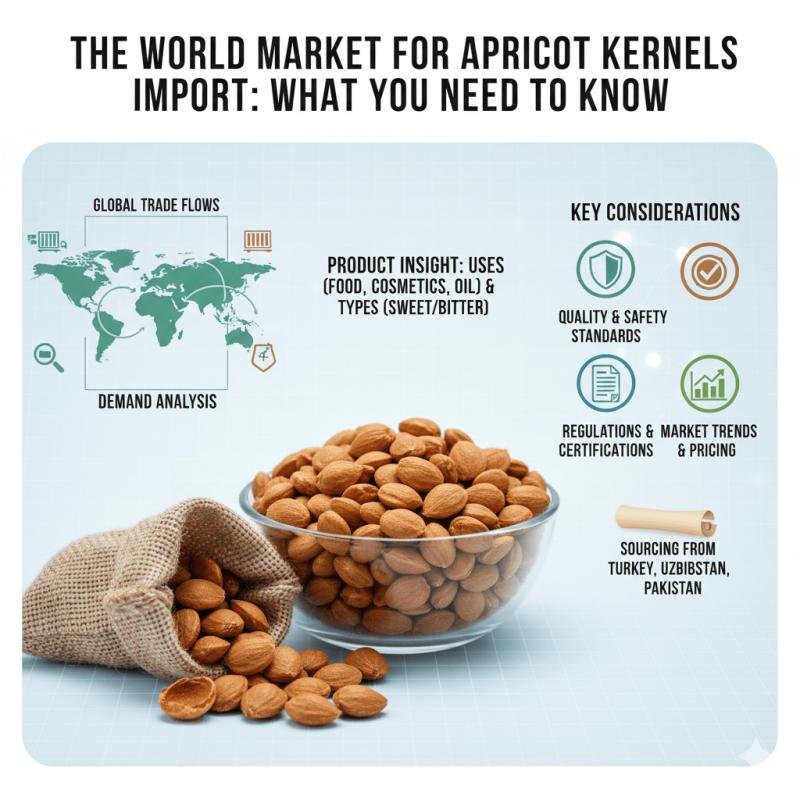
The international trade of Apricot Kernels has been increasing steadily in the current period, owing to the growing demand from the food, cosmetics, nutraceuticals, or pharmaceutical industries. What was otherwise an agricultural by-product of niche use can now be considered a highly valued commodity on the international trade scene. As more and more customers look for natural materials or plant alternatives, the derivatives of Apricot Kernel imports, including oil, flours, or cosmetics, will soon rise on the global map. Supporting this global trend is a whole chain of adept suppliers, including every adept Apricot Kernel Producer exporter, linking farms with factories, then linking factories with the international marketplace.
Comprehending the Value of Apricot Kernels
Apricot kernels refer to the kernel extracted from the interior of the apricot fruit. The processing of apricots into dried fruits, extract, jam, or juice involves the separation of the kernel. The kernel’s economic utility is in its nutritional composition. Apricot kernel extract is rich in healthy oils, protein derived from plants, fiber, among other nutrients. Apricot kernel extract has been traditionally used in various parts of the world in medicine.
Today, the international market provides classification of Apricot kernel into two varieties.
Sweet Apricot Kernel - Typically used in food, bakery, snacking, nougat, marzipan, and confectionery.
Bitter apricot kernel − The kernel of the bitter apricot. The extract of this kernel is often used commercially.
Both types of copper ore play a significant role in international trade. Each of them, however, has different markets.
Why Global Demand Is Increasing
There are several forces driving worldwide growth in the apricot kernel market:
Natural Ingredients Movement – Brands opt for plant ingredients in place of artificial ones.
Expanding Cosmetic and Nutraceutical Industries – Apricot kernel oil, extract, or powdered extract finds application in cosmetic products, scrubs, oils for massage, supplements, among others.
Emerging Trends in Health & Wellness – Sweet Kernels provide a natural, healthy substitution for artificial food sources.
Trends in Utilization of by-product – More manufacturers tend towards zero-waste processing. The kernel becomes more of a by-product.
The more that global trends develop, the more demand there is for capable producers and exporters.
The Role of the Producers Concerning Quality and Supply
An expert Apricot Kernel Producer is of immense importance in establishing a finished exportable item from raw kernels. The processing starts from sourcing countries including Turkey, Mediterranean countries, as well as Central Asia, where apricot production has a rich agricultural history. Following the harvesting of the crops, the kernels follow various processing levels:
Extraction from Apricot Cores
Drying to reduce moisture and prevent mold
Shell breaking patterns and shell classification by size, color, and varieties
Cleaning, Sorting, and Optical or Manual Selection
Pasteurization or food item sterilization
Packaging into bulk bags or cartons for export
It ensures that the end product satisfies the international standards of purity, safety, and consistency.
The Importance of Exporters in Global Distribution
The modern export landscape requires more than producing a high-quality product—it requires expertise in logistics, documentation, and compliance with international regulations. This is where the role of a skilled Apricot Kernels Exporter becomes essential.
Exporters manage:
Requirements concerning Customs clearance, phytosanitary
International shipping arrangements
International logistics network
Rules on trade documentation and labeling
Market-specific specifications on kernel varieties
Communication with world-wide purchasers, traders, and producers
As apricot kernel products will be distributed across various markets including Europe/North America, the Middle East, East Asia, among others, it will be important for the exporters to be aware of all the laws governing food safety in different regions.
Key Industries That Use Apricot Kernels
Apricot kernel extract is known as a multi-use ingredient, and there is a demand in various global industries. The key industries involved are:
Food and confectionery – For baked products, nougats, chocolate fillings, and snack mixtures
Cold-Pressed Oil Processing - For Cosmetic, Pharmaceutical, or Aromatherapy Use
Cosmetic production - Kernel oil is often used in lotions, creams, exfoliating scrubs, and hair care products.
Nutraceuticals & Supplements Market – Applied in capsules, powders, & nutritional supplements
Industrial uses : Kernel shells can be employed as abrasives or in the manufacture of environment-friendly materials.
The use of apricot kernel across various industries makes it an ever-constant commodity.
International trade patterns and sources of trade
Turkey is known globally as one of the leading apricot kernel export countries, owing to its immense production of apricots. Turkey’s optimal environment, coupled with its processing facilities, makes it among the top sources of both types of kernel.
Other sources too include countries such as Iran, Uzbekistan, Afghanistan, as well as Mediterranean countries, though Turkish sources stand out in terms of supply chain reliability and purity of processing. This has led to Turkey’s established position as a respected premier global supplier of apricot kernels.
Quality Standards / Requirements of Certification
Because apricot kernels enter sensitive markets like food, cosmetics, and nutraceuticals, strict quality standards must be followed. Buyers and importing countries often require:
ISO, HACCP, or BRC certifications
Microbiological safety measures
Aflatoxin testing
Pesticide residue compliance
Allergenes et réglementations sur
Phytosanitary documentation
The following standards must be met by both the Apricot Kernels Producer and the exporter in order to meet international standards.
Challenges in Market
Market Considerations
Despite strong demand, the apricot kernel industry faces certain challenges:
Aflatoxin risk in poorly dried or improperly stored kernels
Government restrictions, particularly on bitter kernel types
Price variations according to harvesting conditions and climate
Increasing logistics costs in international shipping
Experienced exporters will ensure that this risk is not an issue by implementing proper supply chain controls.
Future Outlook:
A Growing and Diversifying Market
The data on As consumer interest in natural wellness continues its increase, there will be an ever-growing demand for apricot kernel oil, kernel protein powder, and natural food ingredients. Also driving kernel demand will be the sustainable practices of food companies that continue to use more of the raw fruit. Innovations, vertical integration, or sustainable farming practices will steer the apricot kernel export market in the coming decade. There will be opportunities for producers/exporters who meet the evolving demand. The world market for Apricot Kernels is larger and more vibrant than ever.
AsDemand continues its upward trend among the food, cosmetic, as well as nutritional markets, individuals involved in its production and export continue to play an ever more significant role in defining its future. It is owing to intense efforts on thepart of all Apricot Kernels Producer | Apricot Kernels Exporter that the kernel of an imported apricot gets delivered successfully into all manufacturing units every day across the globe. As a healthy ingredient gains immense popularity every day, the international export marketplace of apricot kernel remains on the threshold of RWHPr prosperity.
Post Your Ad Here
Comments