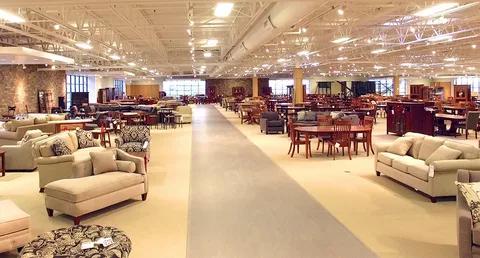
Designing the layout of a home is one of the most important steps in creating a functional and visually appealing space. Many homeowners turn to online tools and photos to imagine how furniture will fit, but these digital methods often fall short. Layout planning relies on understanding scale, movement, and comfort in ways that cannot be captured on a screen. When you step into a furniture showroom, you gain access to real life layouts that make it easier to plan your own. This immersive experience is where guidance from What’s New Furniture becomes especially valuable, providing clarity as you explore ideas for your home.
Visualizing a layout is about more than arranging pieces in your mind. It is about understanding how you will move through each room and how furniture will influence daily routines. Showrooms present furniture in practical arrangements, giving you an immediate sense of flow and spacing. Instead of guessing whether a sofa fits comfortably or wondering if a dining table allows enough room to walk around, you can observe realistic examples that mirror the conditions of a home. This interaction provides immediate insight that digital representations cannot offer.
The more accurately you visualize your layout, the easier it becomes to create rooms that feel balanced and functional. Real world examples help you translate ideas into practical choices that support comfort and efficiency.
Realistic Room Settings Make Planning Easier
When browsing online, furniture is often shown alone against a plain background. This makes it difficult to understand how it interacts with other pieces. In a showroom, furniture is displayed in full room setups, giving you a better reference point.
Walking through these displays helps you observe natural spacing between sofas, tables, and chairs. You can see how wide pathways feel, how far seating extends into a room, and how certain arrangements influence the flow of space. Seeing these setups in person provides clarity that eliminates guesswork and helps you replicate successful layouts in your own home.
Understanding the Importance of Pathways and Movement
Movement is a key part of functional layouts. A room may appear spacious online, but in reality, furniture that is too large or positioned incorrectly can disrupt flow. In a showroom, you can walk around displays to observe how much space is needed to move comfortably.
You may notice how a dining chair pulls out without blocking pathways, how a coffee table sits at a comfortable distance from the sofa, or how accent furniture contributes to the room without crowding it. These experiences help you understand how much space to leave around furniture in your home. Over time, this awareness shapes your ability to create layouts that feel both open and welcoming.
Learning Proportion by Seeing Full Scale Pieces
Proportion is one of the most difficult elements to judge through online images. A loveseat may appear spacious in a photo but feel much smaller when delivered. A bookshelf may look compact but turn out to be taller and more dominating than expected.
In a showroom, full scale pieces allow you to see proportions accurately. You can compare sizes side by side, evaluate height differences, and understand how furniture contributes to the overall balance of a room. This perspective ensures that the pieces you select will not overwhelm your space or feel out of place.
Viewing Multiple Layout Options Sparks New Ideas
Showrooms highlight a variety of layouts, giving you inspiration for arranging your own furniture. You may find creative positioning techniques that make a room feel more open or balanced. For example, an angled sofa arrangement may create a more inviting flow, or a pair of accent chairs may enhance conversation areas.
These real world examples expose you to design strategies you may not have considered. They help broaden your understanding of what is possible and encourage you to explore options beyond traditional layouts. This exploration is often supported by knowledgeable staff members at What’s New Furniture who offer insight into why certain arrangements work well.
Evaluating Functionality Within Layouts
A successful layout must support daily living. In a showroom, you can observe how furniture functions within a space, not just how it looks. Opening drawers, extending recliners, or moving chairs helps you understand how these actions influence surrounding areas.
A piece that appears practical online may not function well in a real setting if it requires more space than expected. Observing functionality in person prevents these surprises and helps you choose pieces that support ease of use. This hands on evaluation becomes an essential part of planning a layout that works for your lifestyle.
Seeing How Lighting and Layout Work Together
Lighting plays a major role in how a layout feels. A room with balanced lighting can feel open and welcoming, while poor lighting can make even spacious rooms feel tight or uneven. Showrooms often feature different lighting conditions that help you understand how furniture placement interacts with natural and artificial light.
You may notice how placing a sofa near a window brightens the seating area or how a dining table feels more inviting under warm lighting. These observations help you plan layouts that enhance atmosphere and comfort within your home.
Discovering Layout Solutions for Challenging Spaces
Many homes include difficult areas such as narrow hallways, small living rooms, or awkward corners. Online browsing rarely addresses these challenges. Showrooms, on the other hand, often present creative solutions for maximizing difficult spaces.
You can observe how compact furniture supports efficient layouts, how multifunctional pieces save space, or how clever positioning turns small areas into functional zones. Seeing these solutions in action provides practical ideas that help you plan layouts that are both stylish and functional.
Comparing Layouts Across Styles Helps You Choose the Right Approach
Different furniture styles require different layout approaches. Modern pieces may favor open spacing, while traditional sets often rely on closer arrangements. Transitional styles may fall somewhere in between. By seeing multiple styles displayed in person, you can understand which layout approach resonates most with your preferences.
This comparison helps you choose layouts that support both visual appeal and everyday comfort. It also allows you to see how certain arrangements feel in real settings, making it easier to identify the approach that suits your home.
Conclusion: Visual Planning Begins With Real Experience
Planning a home layout requires more than imagination. It requires firsthand experience with furniture in realistic settings. When you walk through a showroom, you gain insight into spacing, movement, proportion, and functionality. This clarity transforms layout planning from guesswork into confident decision making. By observing real examples and exploring possibilities, you can design rooms that feel harmonious and comfortable. What’s New Furniture encourages homeowners to explore showrooms in person to gain the understanding needed to create layouts that support both beauty and everyday living.