The Environmental Benefits of Modern Pressure Washing Techniques
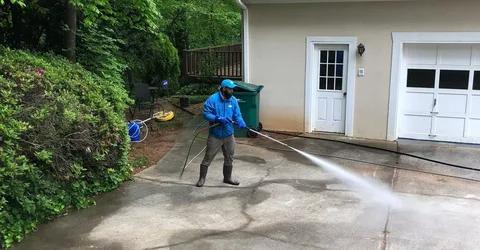
Keeping a home’s exterior clean has become an important part of regular property maintenance, but many homeowners today are also thinking about how these tasks affect the environment. For years, exterior cleaning methods were associated with excessive water use or chemical runoff, causing uncertainty about whether routine cleaning could be done responsibly. As outdoor surfaces become coated with dirt, algae, pollen, and pollutants, the need for an efficient and environmentally friendly cleaning method becomes even more important. Modern approaches provide solutions that protect exterior surfaces while also supporting eco-conscious home care.
Environmental responsibility is now a major priority for many homeowners, and cleaning techniques have evolved to reflect these values. Traditional methods once relied heavily on strong chemicals or high volumes of water, but newer technology focuses on controlled use, effective solutions, and long-lasting results. As equipment improves, exterior cleaning has become more efficient and less wasteful. This shift encourages homeowners to maintain their property without feeling they must sacrifice environmental values to achieve a clean exterior.
Professional service providers have played a major role in this change. Companies such as FB Pressure Washing use updated methods that support both effective cleaning and environmental care. Their approach helps homeowners preserve property appearance while minimizing unnecessary impact on surrounding plants, soil, and waterways.
Modern Pressure Washing and Water Conservation
One of the most significant environmental benefits of updated cleaning techniques is improved water efficiency. Older cleaning systems often required large amounts of water to remove tough buildup or stubborn stains. Newer equipment is designed to use water more effectively by delivering controlled pressure with minimal waste. Pressure Washing helps reduce overall water use because the force of the water increases cleaning power without relying on large volumes. This efficiency makes routine cleaning more sustainable over time and helps homeowners reduce their environmental footprint.
Advanced nozzles and adjustable settings also allow technicians to fine-tune the amount of water used for each surface. Delicate materials require lower pressure and shorter cleaning duration, which means less water is needed overall. Harder surfaces that demand stronger cleaning power still benefit from improved efficiency because modern systems are engineered to maximize output with minimal waste. These improvements contribute to environmentally responsible home maintenance and allow homeowners to feel confident in their decision to clean regularly.
Reduced Chemical Dependency
Another important environmental advantage is the reduced reliance on harsh chemicals. In the past, exterior cleaning often required strong detergents to loosen dirt and organic buildup. Today’s cleaning solutions are designed to be biodegradable and eco-friendly while still providing effective results. These formulations help minimize harmful runoff and protect local ecosystems from chemical exposure. Pressure Washing supports environmental goals by using cleaning agents that break down naturally without compromising the quality of the surrounding landscape.
Modern cleaning solutions also work more efficiently than older formulas. They require less product to achieve noticeable results, and they cling more effectively to surfaces. This reduces the amount of solution that washes into the soil or drains. Homeowners benefit from a cleaner exterior, and the environment benefits from reduced chemical impact.
Preventing Long-Term Environmental Damage
Consistent exterior cleaning helps prevent more serious environmental issues that may arise from neglected surfaces. When algae, mold, or mildew grow unchecked, they can damage building materials and contribute to rot or deterioration. Repairs often require materials like wood, paint, or replacement siding, and producing these materials has its own environmental impact. Routine cleaning prevents premature wear and reduces the need for extensive repairs or material replacements. By keeping surfaces in good condition, homeowners support sustainability through reduced waste and fewer construction-related emissions.
Clean surfaces also benefit nearby landscaping. When siding or outdoor structures become covered in mold or mildew, these organisms can spread to nearby plants or soil. Routine cleaning removes these contaminants before they migrate or affect vegetation. Modern methods help maintain a balanced outdoor environment and preserve the health of garden beds, shrubs, and other landscaping features.
Supporting a Healthier Living Environment
Environmental care extends beyond the natural landscape and into the immediate surroundings of the home. Routine cleaning helps reduce airborne allergens such as pollen and mold spores that cling to siding or outdoor structures. These allergens can affect both indoor and outdoor air quality when they accumulate or spread. Pressure Washing helps remove these particles, creating a healthier outdoor space for families and reducing the likelihood that they will enter the home’s interior.
A cleaner exterior also minimizes moisture retention along siding and roofing materials. Moisture trapped under dirt or organic buildup can create ideal conditions for mold growth. Preventing this accumulation supports a cleaner, healthier environment around the home and contributes to long-term structural preservation.
Long-Term Sustainability Benefits
In the middle of maintaining a property, many homeowners realize that sustainable maintenance often involves routine care rather than reactive repairs. FB Pressure Washing provides cleaning services that extend the lifespan of exterior materials, reducing waste over time. This approach supports sustainability because it limits the need for replacements and minimizes the environmental cost of producing new building materials.
Routine cleaning also improves energy efficiency. A clean exterior reflects more sunlight and reduces heat absorption, especially on siding and roofs affected by dark streaks or algae growth. By reducing heat transfer, the home remains cooler during warm seasons, allowing homeowners to rely less on energy-consuming cooling systems. This natural improvement contributes to reduced energy use and supports eco-friendly home operation without additional investment.
Safe Cleaning Practices for Modern Homes
Today’s equipment is designed to provide consistent and controlled cleaning, reducing the risk of water infiltration or structural damage. This care prevents unnecessary repairs that might otherwise involve producing new materials or disposing of old ones. Safe cleaning supports long-term environmental goals by promoting responsible maintenance practices that protect existing structures instead of replacing them prematurely.
Professional service also ensures that cleaning is performed with proper techniques. Companies like FB Pressure Washing use methods that align with modern environmental standards. Their experience helps homeowners maintain their exterior responsibly while achieving high-quality results.
Maintaining a Sustainable Home Through Routine Cleaning
Homeowners can take pride in caring for their property in a way that aligns with both appearance and environmental protection. Modern cleaning methods reduce waste, minimize chemical use, and protect surrounding landscapes. Routine care supports a cleaner exterior while contributing to broader sustainability goals that benefit both the home and the environment.
With support from FB Pressure Washing, homeowners receive high-quality service that enhances the exterior and protects the environment. Their responsible methods help maintain sustainability, reduce waste, and support long-term property health. Pressure Washing remains a valuable tool for homeowners seeking a clean exterior and a greener approach to routine maintenance.
Post Your Ad Here
Comments