Why Cleaning Dust After Home Renovation Matters
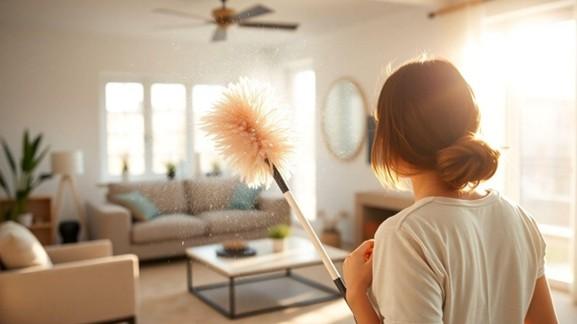
So, you've just
finished a home renovation. That's great! But now comes the less glamorous
part: the cleanup. It's not just about making things look tidy; it's a whole
process of getting your home back to normal, and it's called post-construction
cleaning. This isn't your everyday dusting. It's about dealing with all the
leftover dust and bits that construction leaves behind, which can actually be
bad for your health and your new finishes. Let's talk about why this step is so
important.
Key Takeaways
- Post-construction cleaning is vital for
removing potentially harmful dust and debris that regular cleaning can't
handle, protecting your family's health.
- Thorough cleaning safeguards your new
surfaces, paint, and fixtures from damage, preserving the look and
lifespan of your renovation.
- Professional post-construction cleaning
services use special tools and methods to get rid of all construction
residue efficiently.
- Hiring pros for post-construction cleaning
saves you time and effort, letting you relax and enjoy your newly updated
home sooner.
- Proper post-construction cleaning makes
your home livable again, creating a safe, organized, and pleasant
environment after the work is done.
Prioritizing Health
And Safety Post-Construction Cleaning
Renovations are
exciting, but they leave behind more than just a fresh look. Construction dust
is a serious issue that can affect your health and the safety of your home.
It's not just about appearances; it's about making sure your living space is
truly healthy again.
Understanding
Renovation Dust Hazards
Construction dust
isn't your typical household dust. It's a fine particulate matter that can
contain a mix of materials from your project. Think drywall dust, sawdust,
concrete particles, and sometimes even remnants of older materials like lead
paint or asbestos if you're in an older home. Breathing this stuff in can cause
immediate irritation to your eyes, nose, and throat. For those with allergies
or asthma, it can trigger serious flare-ups. Long-term exposure to certain
components, like silica found in many building materials, can lead to more
significant respiratory problems.
Mitigating
Invisible Threats
Dealing with
renovation dust requires more than just a quick wipe-down. These fine particles
get everywhere – into vents, carpets, upholstery, and even inside cabinets. The
key is to capture and remove them completely, not just move them around.
This means using the right tools and techniques. HEPA filter vacuums are a must
because they trap the smallest particles. Microfiber cloths are better than
regular rags because they grab and hold dust instead of just scattering it.
Don't forget to protect yourself; wearing an N95 mask, goggles, and gloves is
important while you're actively cleaning.
Ensuring a Safe
Living Environment
After the dust has
settled (literally and figuratively), a thorough cleaning is the final step to
making your home safe again. This involves not only cleaning visible surfaces
but also addressing the air quality. Cleaning out air vents and changing HVAC filters
can make a big difference. It's about creating a space where you and your
family can breathe easy and enjoy the results of your renovation without
worrying about lingering health risks. A clean environment after construction
means peace of mind.
Preserving The
Beauty Of Your Renovated Space
So, your renovation is
finally done. That's great! But before you start putting all your furniture
back and settling in, let's talk about what's left behind. Construction work,
even the neatest kind, kicks up a lot of fine dust and leaves little bits of debris
everywhere. If you just ignore it, that fresh coat of paint could get smudged,
or your brand-new floors might get scratched up before you even get a chance to
really enjoy them.
Protecting New
Surfaces From Debris
Think of all those
surfaces you just had installed or refreshed – countertops, cabinets, new
drywall, maybe even new windows. They're all vulnerable. Tiny particles of
drywall dust, wood shavings, or even small bits of metal can settle on them. If
you just wipe them down with a regular cloth, you might actually be grinding
those particles into the surface, causing tiny scratches that you'll notice
later. It's really about being gentle and thorough from the start.
Preventing
Scratches And Stains
This is where the real
damage can happen. That fine dust isn't just sitting there; it's abrasive. When
you walk across a dusty floor, you're essentially sanding it down a little bit
with every step. The same goes for wiping down surfaces. If there's grit on the
cloth, it's going to scratch. And what about spills? If your new kitchen
counter has a thin layer of construction dust, any liquid spilled on it can
seep into that dust layer and create a stain that's much harder to remove than
a simple spill on a clean surface.
Enhancing The
Longevity Of Renovations
Ultimately, taking the
time to properly clean up after construction is an investment in your
renovation itself. It's not just about making things look good right now; it's
about making sure they stay looking good for years to come. A clean environment
means your new paint job won't be prematurely dulled by dust, your floors won't
be scratched by grit, and your fixtures won't be marred by leftover
construction residue. It's the final step that truly lets you appreciate and
maintain the beauty and quality of the work you've had done.
Here's a quick look at
what to focus on:
- Floors: Dust and grit can scratch hardwood, laminate, and even tile.
Proper vacuuming and mopping are key.
- Walls and Ceilings: Drywall dust can cling and be hard to
remove. Gentle wiping is needed to avoid damaging paint.
- Countertops and Cabinets: These surfaces can easily get scratched
or stained by construction debris if not cleaned carefully.
- Fixtures: Light fixtures, faucets, and hardware can
be dulled or scratched by abrasive dust.
The goal is to remove
all the fine particles and debris that settled during the renovation. This
prevents them from causing damage over time, keeping your new finishes looking
pristine and extending their lifespan.
Achieving
Efficiency With Professional Cleaning
Specialized
Equipment For Deep Cleaning
Look, after a big
renovation, your house is probably covered in a fine layer of dust. It gets
everywhere, right? And regular cleaning tools just don't cut it. That's where
professional cleaners really shine. They've got the heavy-duty vacuums with
special filters that can actually trap that super-fine dust, not just push it
around. Think industrial-grade stuff that can get into every nook and cranny.
They also use specific tools for different surfaces, so your new paint job or
shiny floors don't get damaged.
Expertise In
Handling Construction Residue
These cleaning pros
aren't just dusting; they know what construction dust is made of. It's not just
dirt; it can be drywall particles, wood shavings, and all sorts of other
things. They understand how to tackle these specific types of mess safely and
effectively. They know which cleaners work on what without ruining your new
finishes. It's a different ballgame than just wiping down your kitchen
counters.
Comprehensive
Eradication Of Dust
The goal is to get
rid of all the dust, not just the stuff you can see. Professionals go beyond the obvious. They'll
clean out your air vents, wipe down baseboards you might have missed, and even
get the tops of your cabinets. It's about making sure that dust doesn't just
settle again a day later. They have a checklist and a system to make sure
nothing is overlooked, leaving your home truly clean and ready to live in.
Hiring professionals
means you're not just paying for someone to clean; you're paying for their
knowledge and the right tools to do a job that's hard to do yourself. It saves
you time and often gets a better result than you could manage on your own.
Here's a quick look at
what they typically cover:
- Deep vacuuming of all floors and carpets.
- Wiping down walls, baseboards, and
ceilings.
- Cleaning inside cabinets and drawers.
- Dusting light fixtures and ceiling fans.
- Cleaning windows, sills, and frames.
- Sanitizing bathrooms and kitchens.
- Cleaning air vents and return grilles.
Maximizing Time And
Convenience
After the dust settles
from your renovation, the last thing you probably want to do is spend days
cleaning. It's a big job, and frankly, you've likely had enough of construction
chaos. This is where focusing on time and convenience really pays off.
Reducing
Post-Renovation Effort
Think about it:
renovations are exhausting. You've dealt with contractors, decisions, and
probably a lot of disruption. The idea of tackling a deep clean on top of all
that can feel overwhelming. The goal is to get your home back to normal
without adding more stress to your plate. Instead of spending your precious
free time scrubbing and vacuuming, imagine walking into a perfectly clean
space.
Leveraging Expert
Skills And Tools
Professional cleaners
aren't just people with spray bottles. They have specific training and
equipment designed for the unique mess construction leaves behind. They know
how to get into every nook and cranny, dealing with fine dust that regular
cleaning might miss. This means a faster, more thorough job than you could
likely do yourself, especially when you're already tired.
Here's a quick look at
what professionals bring:
- Specialized Vacuums: High-powered vacuums with HEPA filters
capture microscopic dust particles.
- Appropriate Cleaners: They use solutions that are safe for new
surfaces but tough on construction grime.
- Efficient Methods: They have systems for cleaning large
areas quickly and effectively.
Reclaiming Time For
Relaxation
Ultimately, hiring
professionals for post-renovation cleaning gives you back your time. Instead of
being buried under cleaning tasks, you can actually start enjoying your newly
updated home. This means more time for family, hobbies, or simply relaxing after
the stress of the renovation. It's about making the transition back into your
home smooth and pleasant, not another chore.
The effort saved by
hiring experts translates directly into more personal time. This allows you to
appreciate the results of your renovation without the lingering burden of
cleanup, making the entire experience more positive.
Preparing Your Home
For Occupancy
Thorough Cleaning
For Livability
Okay, so the big
renovation is finally done. The contractors are gone, and you're probably
itching to just move back in and start enjoying your updated space. But hold on
a second. Before you unpack those boxes, there's a really important step:
making sure your home is actually clean and safe to live in. Think about all
the dust and tiny particles that have been floating around. They get into
everything – your air vents, your carpets, even the nooks and crannies of your
new cabinets. A good, deep clean isn't just about making things look nice; it's
about creating a healthy environment for you and your family.
- Dusting from top to bottom: Start high and work your way down. Use a
damp microfiber cloth on ceilings, walls, light fixtures, and any exposed
beams. This traps the dust instead of just pushing it around.
- Vacuuming with care: Go over floors, rugs, and even
upholstered furniture. If you have a HEPA filter on your vacuum, even
better. It catches those super fine particles.
- Wiping down surfaces: Countertops, cabinets, baseboards,
windowsills – give them all a good wipe-down with an appropriate cleaner.
Don't forget the inside of cabinets and drawers, especially in the kitchen
and bathroom.
It's easy to think
that once the construction mess is gone, you're good to go. But renovation dust
is sneaky. It can linger in the air and settle on surfaces for weeks. Taking
the time for a thorough cleaning makes a huge difference in how fresh and healthy
your home feels.
Organizing And
Decluttering Spaces
Now that the dust is
(mostly) gone, it's the perfect time to get things organized. Renovations often
mean things get moved around, and sometimes, you end up with extra stuff or
just a general mess. Use this moment to sort through everything. It’s a great
chance to declutter things you don't need anymore. Maybe donate some old items
or toss what's broken. Think about how you want your new space to function.
Putting things away neatly now will make your home feel much more put-together
and less chaotic.
Creating A
Harmonious Environment
After all the hard
work and dust, you want your home to feel like a sanctuary again. This means
not just cleaning and organizing, but also adding those personal touches that
make it feel like yours. Think about fresh paint touch-ups if needed, arranging
furniture in a way that feels comfortable, and maybe even adding some plants or
decor. It’s about making the space feel welcoming and peaceful, ready for you
to relax and enjoy your newly renovated home. A clean, organized, and
personalized space really sets the stage for enjoying the results of your
renovation project.
A Practical Guide
To Post-Renovation Cleaning
So, the contractors
are gone, and you're staring at a house that looks like a dust storm hit it.
Don't worry, it's totally normal. Getting your home back to normal after a
renovation takes a bit of effort, but it's totally doable. Let's break down how
to tackle it.
Essential Dusting
and Vacuuming Techniques
First things first,
you've got to get that fine dust under control. It gets everywhere, seriously.
Start from the top and work your way down. Think ceilings, light fixtures, and
the tops of cabinets. A good microfiber cloth is your best friend here; it traps
dust instead of just pushing it around. For walls and baseboards, a soft brush
attachment on your vacuum can work wonders.
When it comes to
vacuuming floors, go slow. Make sure you're using a vacuum with a good
filter, preferably a HEPA filter, to really capture those tiny particles.
Don't forget to get into corners and along edges where dust loves to hide. You
might need to go over high-traffic areas a couple of times. And hey, if you've
got pets or allergies, this step is extra important.
Effective Surface
and Appliance Cleaning
Once the loose dust is
gone, it's time to tackle surfaces. Countertops, cabinets, tables – give them
all a good wipe-down. Use a cleaner that's appropriate for the material. For
stubborn spots, a gentle scrub brush can help. Don't forget the inside of cabinets
and drawers if they got dusty during the work.
If your kitchen was
part of the renovation, give all the appliances a good cleaning. Wipe down the
exteriors, and if you opened them up, give the insides a quick clean too. It's
amazing how much dust can sneak into nooks and crannies. For things like stainless
steel, use a cleaner made for it to avoid streaks. You might even need to use a
professional cleaning service like Scrub Lou
to help remove some tougher grime on tile grout.
Addressing Air
Quality With Vent and Filter Care
This is a big one that
people often overlook. All that dust stirred up during the renovation can
really mess with your air quality.
- Ventilation is key: Open up windows and doors as much as
possible for a few days to let fresh air circulate. Use fans to help move
the air out.
- Change your air filters: Your HVAC system's filters are probably
clogged with dust. Swap them out for new ones. This is super important for
breathing easier.
- Consider an air purifier: If you have one, run it in the main
living areas. It can really help capture lingering particles.
Cleaning after
renovations isn't just about making things look nice. It's about making your
home healthy and safe again. That fine dust can be a real irritant, so taking
the time to get it all out makes a huge difference in how comfortable you'll
feel in your newly updated space.
Don't forget to clean
window sills and frames too. They collect a surprising amount of dust. For
windows and mirrors, a good glass cleaner and a lint-free cloth should do the
trick for a streak-free shine. It might seem like a lot, but tackling it step-by-step
makes it manageable. You'll be enjoying your refreshed home in no time!
Wrapping Up: Your
Clean Slate
So, the dust has
settled, the contractors are gone, and your home finally looks like the vision
you had. But don't stop there! Giving your newly renovated space a really good
clean is the final, important step. It's not just about making things look pretty;
it's about making sure the air you breathe is clean and that any leftover
construction bits are gone. Whether you hire pros or tackle it yourself, a
thorough clean makes your home safe, healthy, and truly ready for you to enjoy.
Think of it as the finishing touch that lets you fully appreciate all the hard
work and makes your refreshed home a comfortable sanctuary.
Frequently Asked
Questions
Why is cleaning up
after home renovations so important?
Cleaning up after
renovations is super important because construction dust isn't just regular
dust. It can have tiny particles from building materials that might make you
cough or sneeze, and for some people, it can even cause breathing problems or
allergies. Getting rid of all that dust and leftover stuff makes your home safe
and healthy again.
What kind of
dangers can be hidden in renovation dust?
Renovation dust can
hide things like silica, which is found in concrete and sand and can be tough
on your lungs if you breathe it in a lot. In older homes, there's also a chance
of finding lead paint or asbestos, which are serious health risks. A good cleaning
gets rid of these hidden dangers.
How does cleaning
help protect my new renovations?
After you've spent
time and money making your home look great, cleaning up properly helps keep it
that way. Construction dust and tiny bits of debris can scratch new paint,
damage shiny surfaces, or leave stains. A thorough cleaning protects your fresh
finishes and makes sure your renovation looks its best for a long time.
Is it better to
clean up after renovations myself or hire professionals?
You can definitely
clean up yourself if you have the time and energy! But, professional cleaners
have special tools and know-how to get rid of all the tough dust and grime.
They can do a really deep clean quickly, which saves you a lot of work and
helps you enjoy your newly renovated space sooner.
How does cleaning
affect the air quality in my home after renovations?
Construction work
stirs up a lot of dust that can get into your air vents and circulate
throughout your house. Cleaning the vents and changing the air filters is a key
part of post-renovation cleanup. It helps make sure the air you breathe is
clean and fresh, reducing the chance of allergies and breathing issues.
What are the basic
steps for cleaning after a home renovation?
Start by getting rid
of any big pieces of trash. Then, dust everything from the ceiling down, using
a damp cloth or microfiber duster. Vacuum all floors and soft surfaces really
well. Wipe down all hard surfaces like countertops and walls. Finally, clean
out your air vents and put in new filters to make sure the air is clean.
Post Your Ad Here
Comments