How Blockchain Is Transforming Modern Banking Systems
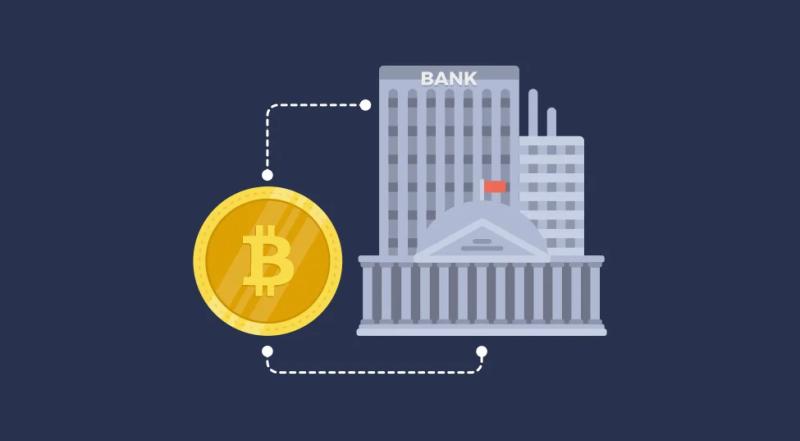
The banking world is stepping into a new era an era where trust is coded, transactions are instant, and customers control their financial future with unprecedented transparency. As global finance grapples with rising cyber threats, regulatory pressure, and expectations for faster, borderless services, blockchain is emerging as the technology that rewrites old systems from the ground up. In this evolving digital future, financial institutions are increasingly exploring next-level innovations like crypto banking app development to stay ahead in the race for secure, modern, and decentralized banking solutions.
The Rise of Blockchain in Banking: A New Foundation for Trust
Banking has always been built on trust. For centuries, customers relied on centralized institutions to safeguard money, execute transactions, and enforce accountability. But with digital transformation accelerating, customers demand more than trust they want speed, transparency, and autonomy. Traditional systems, constrained by paperwork, batch processing, and outdated infrastructure, cannot meet these expectations.
Blockchain introduces an entirely new model that eliminates dependency on intermediaries, enabling transparent and tamper-proof transactions recorded on distributed ledgers. Every action is validated by cryptographic rules rather than human oversight, replacing manual trust with mathematical certainty. This shift is not merely technological; it is foundational, transforming how institutions conduct business, manage risks, and deliver services.
Why Banks Are Rapidly Adopting Blockchain Technology
Across the world, major banks, fintechs, and digital-first financial institutions are recognizing that blockchain is not a trend it is the next infrastructure layer underpinning the future of banking. From compliance automation to real-time payments to tokenized assets, blockchain offers capabilities that traditional systems could only dream of achieving.
One of the most attractive advantages is blockchain’s ability to reduce operational costs. Banks currently spend billions of dollars annually on settlement, reconciliation, and verification processes. With blockchain, these tasks are automated, eliminating delays and human errors. A transaction that once took days can now take seconds. More importantly, every transaction is fully traceable, allowing regulators, auditors, and institutions to maintain an immutable record of activity, thereby enhancing financial security and transparency.
Decentralization: Empowering Users and Redefining Ownership
Decentralization lies at the heart of blockchain’s disruptive power. Instead of relying on centralized databases controlled by banks, blockchain distributes information across a network of nodes. This distributed model provides exceptional resilience against outages and cyberattacks. Even if one node is compromised, the network continues to function seamlessly.
For customers, decentralization unlocks a world where they own their financial data, manage digital identities securely, and conduct borderless transactions without relying on expensive intermediaries. Wallet-based banking, decentralized lending, asset tokenization, and self-sovereign identity systems are already becoming real alternatives to traditional banking processes.
Smart Contracts: The Invisible Engines Powering Automated Banking
Smart contracts are one of blockchain’s most revolutionary tools. These self-executing agreements operate automatically once conditions are met. In banking, processes are streamlined to include loan approvals, insurance claims, KYC updates, cross-border settlements, and escrow services. They not only drastically cut processing times but also eliminate the need for middlemen, thereby reducing costs and minimizing human error.
More importantly, smart contracts open pathways for new financial products that were previously impossible within centralized frameworks. From programmable payments to automated compliance alerts, smart contracts represent the future of efficient, data-driven financial management.
Blockchain and Fraud Prevention: Eliminating Financial Crime at the Root
Fraud remains one of the most costly challenges for financial institutions. Blockchain’s immutable ledger makes data tampering nearly impossible. Once a transaction is recorded, it cannot be altered without network consensus, which means fraudulent activity is instantly detectable.
Blockchain also enhances anti-money laundering (AML) capabilities. Real-time transaction tracking, auditable trails, and transparent data-sharing mechanisms make it significantly easier for banks and regulators to identify suspicious behavior before it escalates. This transformative power is why global regulatory bodies are increasingly adopting blockchain-based compliance systems.
Cross-Border Payments: From Days to Seconds
One of the most frustrating experiences for global customers is dealing with slow, expensive international payments. Traditional correspondent banking involves multiple intermediaries, each taking fees, adding delays, and increasing points of failure.
Blockchain allows banks to process cross-border payments in seconds. Funds move through decentralized networks without intermediaries, drastically reducing costs and making real-time global transactions a reality. This shift is redefining remittances, merchant payments, corporate settlements, and international trade finance.
Tokenization: Redefining Liquidity and Wealth Management
Blockchain introduces the concept of tokenization converting real-world assets into digital tokens that represent ownership. This revolution is transforming real estate, commodities, art, securities, and intellectual property. Tokenized assets provide fractional ownership, increased liquidity, and easier trading. Banks can now offer new investment products that were previously inaccessible due to high entry costs or complex regulatory constraints.
Tokenization is driving the industry toward inclusive finance, enabling everyday investors to participate in markets previously reserved for institutions and high-net-worth individuals. It is also creating new opportunities for banks to diversify their service portfolios.
The Role of Crypto Banking Platforms in Modern Financial Transformation
As blockchain adoption accelerates, financial institutions are moving beyond traditional banking apps and embracing fully digital, crypto-integrated finance. These platforms allow users to store digital assets, process instant transfers, earn yield, access decentralized finance (DeFi), and perform KYC-compliant transactions.
Crypto banking solutions enable institutions to integrate conventional finance with decentralized ecosystems, thereby creating a new hybrid financial model. Users can now manage both fiat and digital assets within a single, secure, blockchain-powered platform. These apps are designed for scalability, security, and regulatory compliance, making them the natural evolution of digital banking.
One of the Biggest Drivers of Adoption: White-Label Solutions
To accelerate digital transformation, many institutions are choosing ready-made white-label products instead of building blockchain platforms from scratch. Midway through this evolution, many banks and fintech companies are embracing the convenience and scalability offered by white label crypto banking solution systems. These solutions dramatically reduce development time and cost while ensuring high-quality security, compliance, and customizable features.
A white-label approach enables companies to enter the market more quickly with a fully tested product. It also enables smaller financial institutions to compete with major players without requiring massive infrastructure investments. The result is a more democratized financial ecosystem where innovation flows quickly and widely.
Blockchain and Regulatory Compliance: A New Standard for Transparency
The financial industry is one of the most heavily regulated sectors globally. Blockchain’s transparent and tamper-proof design makes it a perfect fit for compliance. Regulatory authorities can access real-time data, ensuring faster audits, more accurate reporting, and more transparent financial activity. This reduces regulatory risks and helps institutions maintain higher levels of accountability.
Blockchain-based digital identity systems also enhance KYC processes by offering secure, reusable identity records. Customers do not need to submit documents repeatedly across institutions. Banks can access verified identity records instantly, thereby reducing onboarding time and enhancing the customer experience.
Blockchain-Based Lending and Credit Systems: A Paradigm Shift
Traditional lending relies heavily on intermediaries and long verification cycles. Blockchain introduces decentralized lending models where users can access instant loans without paperwork or credit checks. Platforms use collateralized digital assets, algorithmic assessments, and smart contracts to automate processes.
Blockchain lending reduces processing time, enhances transparency, and offers competitive interest rates. It also ensures that defaults and repayments are recorded permanently, improving overall credit accountability.
DeFi: The Future of Autonomous Finance and Banking Functions
Decentralized Finance (DeFi) is a powerful extension of blockchain and is rapidly influencing modern banking systems. DeFi platforms operate without centralized control, using smart contracts to facilitate lending, borrowing, trading, and yield generation. Banks are now integrating DeFi capabilities into their digital infrastructures to enhance user engagement and attract tech-savvy audiences.
DeFi represents the next generation of financial empowerment where users have full control of their assets, enjoy higher yields, and access global markets with minimal restrictions. Financial institutions adopting DeFi technologies are well-positioned to lead the future of banking.
Second Last Section (Keyword Added as Requested)
As banks continue migrating toward decentralized platforms, they increasingly depend on modular, customizable blockchain-based architectures. To support rapid expansion, many institutions are integrating White Label dApp Solutions that enable decentralized identity management, secure lending, automated KYC processing, and blockchain-based record systems. These ready-to-deploy solutions accelerate innovation and allow banks to adopt decentralized capabilities without complex backend development.
The Road Ahead: Blockchain Will Remake Global Banking Forever
Blockchain’s integration into the banking sector is no longer speculative it is inevitable. As institutions adopt digital currencies, decentralized finance frameworks, tokenization models, and autonomous smart contract systems, the financial landscape will continue to evolve. Banking will shift from a centralized authority model to an ecosystem of interoperable, transparent, and decentralized systems where speed, trust, and user empowerment dominate.
The future of modern banking depends on embracing blockchain as the technological backbone for all financial operations. Institutions that innovate today will lead the digital revolution of tomorrow, offering customers unparalleled security, global accessibility, and financial freedom.
Post Your Ad Here
Comments