Essential Features Every Successful Trading App Must Have in 2026
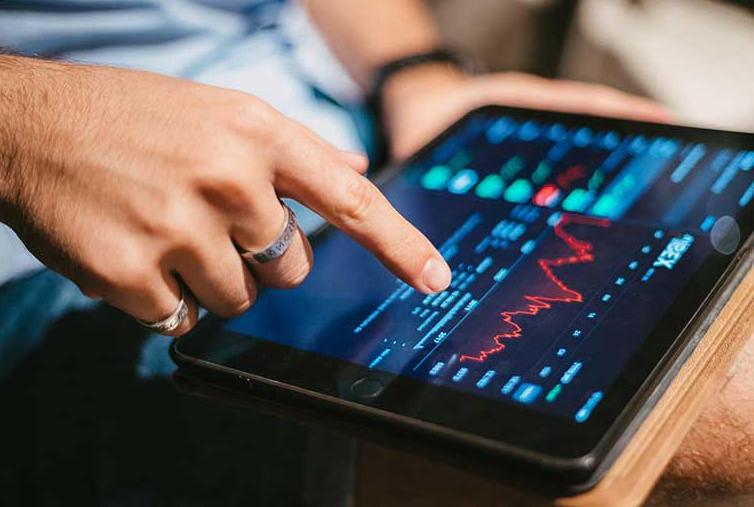
In a world where financial independence is no longer a dream but a digital reality, trading apps have evolved into the heartbeat of modern investing. From Wall Street pros to Gen Z investors, everyone today seeks instant access, transparency, and powerful trading tools at their fingertips. As 2026 approaches, trading platforms are no longer just about buying and selling stocks they’re about experience, automation, and intelligence. For businesses stepping into this booming sector, Stock Trading App Development has become a high-stakes endeavor where every feature determines success.
The trading landscape is transforming rapidly, driven by innovations in AI, automation, and blockchain. Investors want more control, while developers are challenged to create smarter, faster, and more secure applications. Let’s dive deep into the essential features every successful trading app must have in 2026 and why businesses need to prioritize innovation at every step of their app development journey.
1. A Futuristic, User-Centric Interface
The first impression is everything in trading apps. Users expect interfaces that not only look good but also feel intuitive. In 2026, a trading app’s interface must cater to beginners while still satisfying professional traders. A sleek dashboard that consolidates all trading activities stock charts, portfolios, news, and market trends is now a necessity. The interface should provide customizable widgets, light and dark modes, and easy navigation between different sections.
Modern users value simplicity in complexity. They should be able to execute trades in seconds, analyze performance, and access insights without feeling overwhelmed. Responsive design, fluid transitions, and gesture-based controls elevate the experience to a whole new level, ensuring that users stay engaged and loyal to the app.
2. Real-Time Market Data and Live Analytics
Speed is the soul of stock trading. Delays of even a few seconds can mean the difference between profit and loss. A successful trading app in 2026 must provide real-time data streaming with zero latency. APIs that connect with stock exchanges and financial data providers should ensure that users always see the most accurate prices and charts.
But data alone isn’t enough traders need actionable insights. Advanced charting tools, technical indicators, and performance graphs help users make informed decisions. Some leading apps even integrate sentiment analysis to show how the market feels about certain assets. The goal is to transform data into insight, and insight into profit.
3. Multi-Asset Trading Capabilities
Today’s investors no longer stick to one market. They want diversification stocks, ETFs, crypto, commodities, and even forex. Successful trading apps in 2026 must support multi-asset portfolios, allowing users to trade across markets seamlessly. This flexibility gives traders a sense of control and helps businesses attract a larger audience.
Multi-asset integration also introduces powerful risk management options. For instance, a trader can hedge crypto volatility with stable stock holdings, or use AI signals to balance their investments dynamically.
4. Personalized Portfolios and Smart Insights
The future of trading is personalization. By using behavioral analytics and machine learning, trading apps can now understand a user’s trading habits and offer tailored insights. Imagine an app that not only tracks your portfolio but also suggests diversification opportunities or alerts you when your risk exposure increases.
Smart insights go beyond notifications they become digital mentors for traders. They help users identify mistakes, improve their strategies, and optimize profits. Personalization transforms passive traders into active learners, boosting engagement and retention rates.
5. Copy Trading and Social Investing Features
The rise of social trading has changed how people invest. In 2026, investors want to learn from others, follow strategies, and mirror expert trades. This has made copy trading app development a major trend in the fintech world. A well-integrated copy trading system allows users to automatically replicate trades made by professional investors in real time.
The social element adds trust and collaboration to the trading experience. Users can view performance stats of top traders, join discussion forums, and even create communities around specific assets. Developers need to focus on transparency clearly showing win/loss ratios, risk levels, and portfolio breakdowns to ensure users make informed decisions when following experts.
Copy trading also bridges the gap between beginners and professionals, making trading accessible to everyone. As fintech platforms integrate this model, it’s redefining what “participation” means in financial markets.
6. Advanced Security and Compliance Layers
In 2026, cybersecurity isn’t a feature it’s a foundation. With the rise of online trading, security threats have multiplied. From phishing to data breaches, financial apps face constant risk. Therefore, top trading platforms must include multi-layered protection like biometric authentication, two-factor verification, encryption standards, and real-time fraud detection systems.
Compliance is equally vital. Apps that deal with user funds must adhere to regional and global financial regulations. Developers must implement KYC/AML verification, transaction monitoring, and transparent audit trails to build trust.
The more secure the system, the higher the user retention because in finance, trust drives growth.
7. AI-Powered Predictive Analytics
Artificial Intelligence is reshaping financial ecosystems, and trading apps are no exception. Predictive analytics powered by AI helps traders identify patterns, detect market anomalies, and make smarter investment decisions. Imagine receiving alerts like “Tesla’s trend is about to reverse based on past pattern data.” That’s the kind of intelligence users expect now.
AI engines can process massive amounts of financial data from global news to technical indicators and generate personalized forecasts. It reduces the dependency on guesswork and provides users with insights backed by real data.
As AI becomes more refined, the gap between professional trading and retail investing continues to narrow.
8. Instant Transactions and Payment Gateway Integration
The future of trading apps lies in speed and accessibility. Traders don’t want to wait for deposits or withdrawals they expect instant settlements. Integration with modern payment gateways, crypto wallets, and even digital banking APIs ensures frictionless transactions.
Additionally, blockchain-based systems are gaining a foothold in modern trading infrastructure, providing faster processing and enhanced transparency. These integrations make trading apps more inclusive and globally accessible, breaking barriers that once kept small investors out of the markets.
9. Integrated News, Alerts, and Educational Tools
Information drives markets. A 2026 trading app must be an ecosystem of information, not just a platform for transactions. By offering integrated financial news feeds, video explainers, and AI-generated summaries, apps can keep users ahead of the curve.
Push notifications for earnings calls, market movements, and breaking news enhance the trading experience. Even better interactive learning sections and simulators help users test strategies in a risk-free environment. The result? Smarter traders and higher engagement levels.
10. Scalability and Cloud Infrastructure
A successful trading app isn’t built just for today it’s built for tomorrow. Scalability ensures that as the number of users grows, performance never dips. Cloud-based infrastructures enable real-time data synchronization, elastic storage, and distributed computing power all of which make trading apps robust and reliable.
In 2026, using microservices architecture has become a standard approach in Stock Trading App Development. It allows developers to update modules individually without downtime, ensuring smooth performance even during volatile trading sessions.
11. Integration with Wearables and Voice Assistants
The modern trader isn’t confined to a desk. Voice-enabled trading assistants and smartwatch integrations allow users to monitor prices, execute trades, and receive alerts hands-free. “Hey, trade 10 shares of Apple at market price” is not science fiction anymore it’s an everyday convenience.
These features enhance accessibility for multitasking traders and expand usability for a global, tech-driven audience.
12. AI Stock Trading and Automation Revolution
As automation reshapes industries, trading apps are leading the transformation. The next phase of evolution is AI Stock Trading App Development, where machine learning models analyze market conditions, predict trends, and even execute trades autonomously.
These AI systems can assess thousands of data points market news, social sentiment, and technical indicators to make precise trading decisions in real time. Developers are now embedding auto-trading modules that enable users to customize strategies, set thresholds, and automate repetitive trading operations.
The integration of AI not only increases accuracy but also empowers traders to scale their portfolios effortlessly. In 2026, trading apps without AI are like cars without engines beautiful but powerless.
13. Seamless Cross-Platform Accessibility
A trading app must provide a unified experience across mobile, web, and desktop. Cross-platform functionality ensures that users can pick up where they left off, regardless of the device. With frameworks like Flutter, React Native, and Kotlin Multiplatform, developers can deliver native performance across all operating systems.
For traders, this means continuity; for developers, it means reduced maintenance costs and higher consistency in updates.
14. Blockchain Integration for Transparency
Blockchain isn’t just for crypto anymore it’s redefining traditional stock trading. By integrating blockchain, trading apps can offer transparent transactions, tamper-proof records, and faster settlements. Smart contracts can automate regulatory compliance, dividend distribution, and transaction verification.
This transparency builds user confidence and eliminates intermediaries, paving the way for decentralized finance (DeFi)-powered stock platforms.
15. The Future Ahead: Personalization, AI, and Global Access
The trading app market in 2026 will be defined by one mantra: intelligence and inclusivity. Investors will expect apps to adapt to their preferences, learn from their habits, and guide them through dynamic markets. Businesses investing in innovative technologies like AI, blockchain, and automation are not just building apps they’re building ecosystems of trust, learning, and profit.
Building such advanced ecosystems requires technical expertise and deep financial domain knowledge. As digital trading becomes a lifestyle, not a luxury, the demand for intelligent solutions will keep rising.
Conclusion
In the ever-evolving digital trading world, having a robust, feature-rich application is no longer optional it’s survival. From Stock Trading App Development to copy trading app development and advanced AI Stock Trading App Development, the future belongs to platforms that merge intelligence with accessibility.
A successful trading app in 2026 won’t just execute trades it will think, analyze, and evolve with its users. Businesses that prioritize personalization, automation, and innovation will dominate the next generation of trading technology.
As the financial world continues its digital transformation, one thing is clear those who invest in smarter trading technology today will lead the markets tomorrow.
Post Your Ad Here
Comments