Tokenization Platform for Startups: Features, Cost, and Roadmap
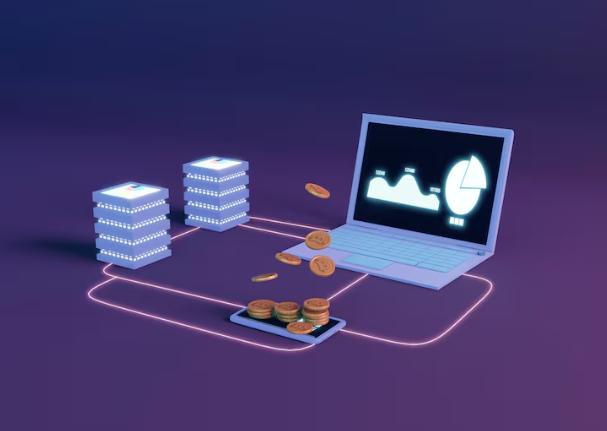
The digital economy is shifting faster than ever, and startups today cannot afford to remain tied to traditional financial limitations. Whether it’s raising capital, unlocking illiquid assets, or providing investors with more transparency, tokenization is becoming the transformational engine behind modern business models. Startups are now actively exploring asset tokenization platform development as a reliable way to convert real-world assets into blockchain-based digital tokens that can be traded instantly, securely, and globally. In an age where speed, accessibility, and decentralization define competitive advantage, tokenization platforms are emerging as a cornerstone for next-generation startups aiming to scale efficiently.
A growing number of founders are evaluating the asset tokenization platform development cost to understand how quickly they can enter the market while maintaining compliance and scalability. The cost factor becomes critical because early-stage companies have limited budgets and resources. However, the right development plan, architecture, and technology stack can dramatically reduce expenses. With strategic planning, even bootstrapped startups can build a fully functional tokenization ecosystem capable of transforming asset ownership forever.
The Rise of Tokenization: Why Startups Are Embracing This Shift
Tokenization has moved beyond hype to become a core economic lever, especially for startups looking for innovative ways to raise capital or digitize asset structures. By converting assets tangible or intangible into digital tokens, startups gain access to a broader investor base, faster liquidity, and a more seamless transactional model. From fractional ownership in real estate and artwork to tokenized inventory, intellectual property, and global investment opportunities, tokenization is enabling small businesses to think and scale like global enterprises.
For entrepreneurs, the biggest advantage lies in accessibility. Previously restricted investment opportunities can now be democratized, enabling small-ticket participation from global investors. Tokenized assets also maintain a transparent audit trail, thanks to blockchain technology, making them more resilient to fraud while streamlining regulatory reporting. As investment ecosystems evolve, tokenization is no longer a luxury; it is a strategic necessity.
Key Features Every Startups Needs in a Tokenization Platform
Building a tokenization platform involves multiple layers, starting from blockchain integration to user authentication, asset onboarding, token creation, security protocols, and compliance modules. The most important feature is the secure token issuance module, which ensures each asset-backed token complies with jurisdictional regulations and is securely linked to a physical or digital asset. This feature guarantees the authenticity of ownership and prevents duplication or manipulation.
Another critical feature is automated compliance. Startups must integrate KYC, AML, and investor verification systems to ensure seamless regulatory adherence. Without these features, a tokenization platform may face legal obstacles or struggle to attract institutional investors. Transparent governance models, secured smart contracts, token buyback options, dividend distribution modules, secondary trading mechanisms, and liquidity pools further enhance platform value.
Smart contracts also play a vital role by automating asset transfers, dividend payouts, and validation processes. These pre-coded rules prevent human error and maintain trustless transactions, allowing startups to focus more on growth and less on operational inefficiencies. Additionally, startups benefit immensely from real-time analytics dashboards, asset valuation modules, and cloud-integrated infrastructure to keep operations scalable and cost-efficient.
In the context of real-world industries, many startups also require industry-specific features. For example, building support for real estate tokenization development is essential when dealing with property-based assets. This ensures compliance with property laws, fractional unit management, rental distribution automation, and investor onboarding processes tailored to the real estate sector. When platforms accommodate such specialized features, their usability and market adoption rates increase significantly.
How Tokenization Helps Startups Grow Faster
Tokenization is redefining startup funding models. Traditionally, early-stage companies rely on angel investors, bank loans, or venture funding. However, tokenization enables founders to raise capital globally without relinquishing large equity portions. By issuing asset-backed tokens, startups can leverage existing assets such as inventories, digital rights, invoices, or intellectual property to secure funding. This approach not only preserves ownership but also significantly reduces financial risk.
Tokenization also creates liquidity for assets that are typically considered illiquid. For instance, startups in the real estate, logistics, or supply chain sectors often hold high-value physical assets that cannot be sold quickly. Tokenization converts these items into easily tradable digital assets, enabling faster generation of cash flow. This flexibility is essential for new businesses managing tight operational budgets.
Moreover, tokenization promotes transparency and trust. Investors gain access to immutable records on the blockchain, which reduces uncertainty and improves decision-making. This transparency also enhances investor confidence, which is crucial for startups seeking to rapidly expand their investor network.
Understanding the Cost Structure of Tokenization Platforms
When evaluating development budgets, startup founders often ask about the cost of developing an asset tokenization platform and how much they should allocate for building a scalable solution. The cost primarily depends on factors such as platform complexity, blockchain network choice, the number of integrated features, compliance requirements, smart contract architecture, and security measures. Custom platforms tend to be more expensive than pre-built modular platforms, but they offer greater flexibility in the long term.
A basic MVP version may include essential modules like asset onboarding, user authentication, token generation, and essential KYC systems. As startups grow, they often integrate additional functionalities such as advanced analytics, multi-blockchain support, API integration, NFT support, and cross-border compliance mechanisms. These advanced components increase the total development cost.
Security also plays a large role in determining the overall budget. Since tokenization involves high-value assets, advanced security protocols, smart contract audits, penetration testing, and regulatory compliance modules are essential investments. While these increase the upfront cost, they reduce long-term risks. Considering the platform will serve global investors, strict security compliance such as GDPR, FINRA, SEC, or region-specific regulations becomes integral.
Industries Driving Tokenization Adoption in 2026 and Beyond
Tokenization is evolving across several industries, each with its own set of opportunities and innovation pathways. Real estate continues to dominate the tokenization landscape because of its huge market size and liquidity challenges. Startups offering fractional property ownership, tokenized rental income, or digital ownership certificates are gaining massive investor interest. This is where real estate tokenization development becomes a crucial part of the startup ecosystem.
The art and collectibles industry is also embracing tokenization by bridging artists with global buyers. Tokenized art pieces allow for greater transparency and authenticity, eliminating counterfeit concerns. Similarly, supply chain companies tokenize inventory and shipping documents to improve tracking, reduce fraud, and speed up logistics processes.
In the energy sector, renewable asset tokenization enables crowdfunding for solar farms, windmills, and community energy projects. Each token represents ownership or revenue rights, making it easier for energy-based startups to raise funds. Intellectual property tokenization also allows startups to monetize patents or creative rights without selling the entire ownership.
The Roadmap to Building a Tokenization Platform for Startups
Startup founders must follow a well-defined roadmap to build a powerful, secure, and market-ready tokenization ecosystem. The journey starts with identifying asset categories and understanding the legal environment surrounding each asset. Regulatory analysis is essential because tokenized assets fall under jurisdictional securities laws. Choosing the right blockchain network is another foundational step, as network reliability, transaction fees, and scalability directly impact platform performance.
The next stage involves designing the architecture and user experience. A simplified UI encourages investor engagement, while robust backend architecture ensures platform stability. Smart contract design must be carefully planned, as these contracts handle core operations like token issuance, transfers, and dividend distribution. The integration of compliance modules must be executed with precision to maintain trust and meet jurisdictional laws.
Once development begins, startups must implement rigorous testing phases, including smart contract audits, load testing, penetration testing, and system-wide functionality assessments. Launching an MVP before the full-scale platform helps founders gather user feedback, identify market gaps, and optimize features. At this stage, marketing and investor onboarding strategies play a major role in platform adoption.
Tokenization’s Connection to RWA, the Future of On-Chain Finance
In recent years, real-world assets have become the centerpiece of decentralized finance. Platforms built on the concept of rwa tokenization platform are bridging the gap between traditional finance and blockchain ecosystems. RWA tokenization enables the representation of physical assets, including gold, real estate, bonds, invoices, and even agricultural commodities, as digital tokens. Startups adopting RWA frameworks can provide investors with transparent, low-risk, asset-backed investment opportunities.
The global push toward regulated crypto markets is accelerating RWA adoption. Governments, financial institutions, and enterprises are gradually accepting tokenized assets as legitimate investment tools. As a result, startups building tokenization platforms today are positioning themselves at the forefront of the RWA revolution. These platforms streamline asset onboarding, compliance automation, ownership verification, and liquidity management, making traditional asset management significantly more efficient.
Conclusion
Tokenization is not just a fleeting trend; it is a fundamental shift in how startups will raise capital, manage assets, and scale their operations in the digital era. A well-designed tokenization platform empowers startups with financial flexibility, enhanced transparency, improved liquidity, and access to global investors. With the strategic incorporation of asset tokenization platform development, budget planning centered on asset tokenization platform development cost, industry-focused modules like real estate tokenization development, and future-ready integration of rwa tokenization platform, startups can build a strong foundation for sustainable and long-term growth. As we move deeper into a decentralized economy, tokenization will become the standard infrastructure powering tomorrow’s most innovative startups.
Post Your Ad Here
Comments