Carpooling App Development Strategies for Today Mobility Market
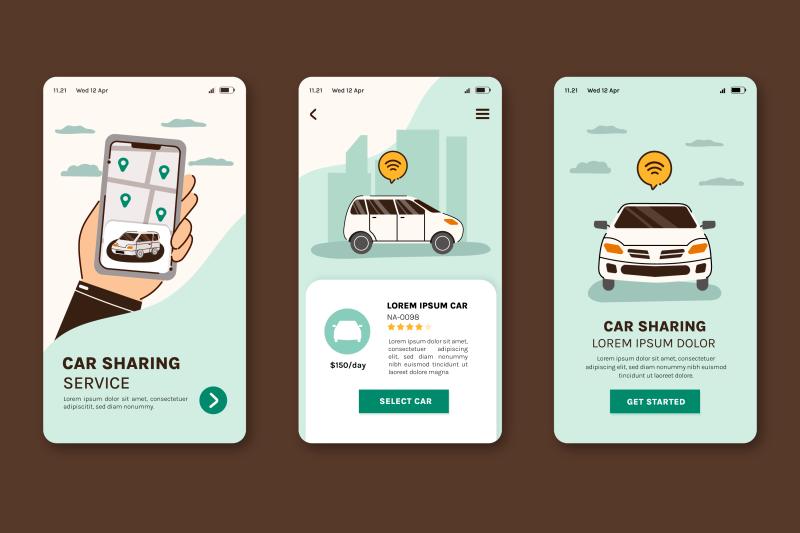
As urban congestion increases and travelers seek cost-efficient commuting solutions, carpooling platforms have emerged as a sustainable alternative. Businesses looking to enter this market must follow strategic approaches to stay competitive. With the rising demand for eco-friendly transportation, carpooling app development has become a promising venture for startups and enterprises worldwide. This article highlights the most effective strategies to build impactful, scalable, and user-friendly carpooling platforms.
Understanding the Demand for Carpooling in Today’s Mobility Landscape
The global mobility market is rapidly evolving, driven by increasing traffic congestion, rising fuel prices, and a shift toward shared transportation. Carpooling services enable commuters to share rides, reduce travel costs, and decrease environmental impact. These changing commuter expectations, combined with urbanization, have made ride sharing app development a core focus for transportation technology companies.
Key Features to Include in a Modern Carpooling Application
To offer a seamless commuting experience, your carpooling application must incorporate essential features that enhance usability and trust.
1. Real-Time Ride Matching
Accurate algorithms match drivers and riders based on routes, timings, and preferences.
2. Verified User Accounts
ID verification increases safety and builds trust among users.
3. In-App Communication
Secure chat and call options allow drivers and riders to coordinate without sharing personal contact details.
4. Transparent Pricing
Dynamic pricing models ensure fair cost-sharing based on travel distance and fuel consumption.
5. Live GPS Tracking
GPS-based tracking improves route accuracy and enhances security during rides.
6. Secure Payments Integration
Multiple payment methods, including wallets and cards, ensure smooth transactions.
Effective Strategies for Successful Carpooling App Development
Implementing successful carpooling app development strategies ensures the platform meets user expectations and market demands.
1. Adopt a User-Centric Design Approach
The app layout should be intuitive, ensuring users can search, book, or offer rides with minimum effort. User feedback loops can help refine the interface over time.
2. Build a Robust Backend Architecture
A scalable architecture ensures the system can handle increasing traffic, ride requests, and real-time data processing.
3. Prioritize Safety and Verification Measures
Safety is the main concern for users. Integrate features such as background checks, SOS buttons, live location sharing, and driver/rider rating systems.
4. Integrate AI-Based Optimization
AI-powered route optimization, dynamic pricing, and smart ride-matching algorithms improve ride efficiency and user experience.
5. Offer Custom Carpooling Solutions for Corporations
Providing carpooling app development services tailored to enterprises, universities, and business parks can open new revenue streams and boost adoption.
6. Leverage Real-Time Analytics
Analytics dashboards help businesses track ride frequency, user engagement, peak hours, popular routes, and operational performance.
7. Build for Future Scalability
Design the platform to support future expansions such as electric vehicle pooling, subscription-based commuting, autonomous fleets, and intercity ride sharing.
Technology Stack for a High-Performance Carpooling App
Choosing the right technology stack is essential for reliability, maintenance, and scalability.
-
Frontend: React Native, Flutter, Swift, Kotlin
-
Backend: Node.js, Python, Ruby on Rails
-
Database: MongoDB, PostgreSQL, Firebase
-
Real-Time Features: Socket.io, WebRTC
-
Maps & Navigation: Google Maps API, OpenStreetMap
-
Cloud Hosting: AWS, Google Cloud, Azure
A strong tech stack supports seamless communication, fast loading speeds, and reliable performance even during peak usage.
Business Models for a Successful Carpooling Platform
A profitable carpooling service requires a clear monetization strategy.
1. Commission-Based Revenue
Charge a percentage fee for every ride completed.
2. Subscription Plans
Offer premium plans with added benefits such as priority matching or reduced service charges.
3. Corporate Carpooling Partnerships
Collaborate with companies to offer employee commute solutions.
4. In-App Advertising
Allow sponsored listings or ads within the platform.
How Carpooling App Development Services Drive Business Growth
Professional development services ensure your platform is robust, feature-rich, and compliant with industry standards. By leveraging expert design, backend engineering, and security frameworks, businesses can launch competitive solutions faster while ensuring long-term scalability and market relevance. These services are especially valuable for startups that want to quickly establish a presence in the ride-sharing ecosystem.
Conclusion
Carpooling platforms are reshaping modern transportation by offering affordability, sustainability, and convenience. To succeed in this expanding industry, businesses must adopt strong carpooling app development strategies, focus on safety, integrate advanced technologies, and deliver a seamless user experience. With the right approach and professional carpooling app development services, companies can build scalable platforms that cater to the evolving needs of commuters and contribute to a more sustainable future.
Frequently Asked Questions (FAQs)
1. How long does it take to build a carpooling app?
Development timelines vary, typically ranging from 3 to 6 months based on features, complexity, and customization.
2. What is the cost of carpooling app development?
Costs depend on functionality, design elements, technology stack, and region of the development team. A basic carpooling system costs less than advanced platforms with AI, analytics, and enterprise integrations.
3. Can I integrate corporate carpooling features?
Yes. Corporate commuting modules can be added to support employees, manage routes, assign vehicles, and reduce workplace parking issues.
4. How do carpooling platforms ensure user safety?
User verification, live GPS tracking, SOS buttons, in-app communication, and rating systems help maintain a safe and reliable environment.
5. Is ride sharing app development different from carpooling development?
Both share similarities, but carpooling typically involves cost-sharing between riders and drivers, while ride-sharing may include commercial services with professional drivers.

Comments