2025 and Beyond: Key Omnichannel Innovations Reshaping the UK Retail Sector
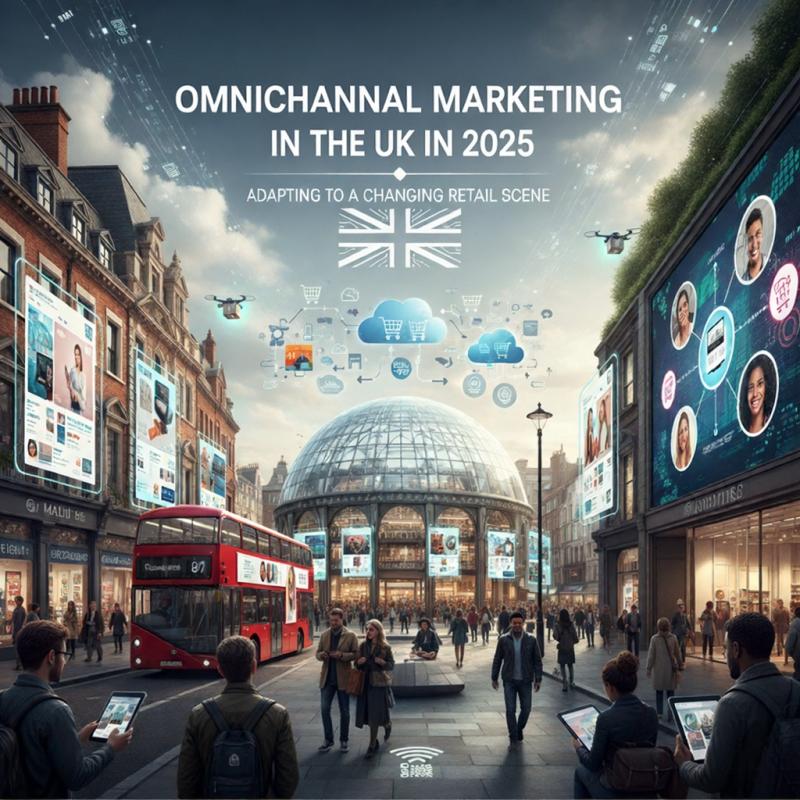
In 2025, UK retailers need to focus on
omnichannel marketing to keep up with changing consumer habits and economic
challenges. Customers want a smooth and personal experience when they interact
with brands, whether it's through mobile apps, websites, social media, emails,
or in stores. Omnichannel marketing strategies bring all these touchpoints
together, helping brands boost engagement, build loyalty, and drive sales even
in uncertain markets.
What’s Omnichannel Marketing?
Omnichannel marketing focuses on the customer
by bringing together all channels, online and offline, to give a smooth and
consistent brand experience. Customers can shop through mobile apps, websites,
social media, email, or in stores. Their experiences are linked and tailored,
making it easy to switch between different ways to shop based on what they like
and what they've done before.
Why Omnichannel Marketing is
Great
Using a good omnichannel
marketing strategy really helps UK retailers, improving both customer
experience and business results. Here
are some key benefits:
- Better customer retention and loyalty:
Brands that offer smooth, personalised experiences keep about 90% more
customers than those that only use one channel. Connecting with customers
through relevant messages helps build stronger emotional ties and encourages
them to buy again.
- Higher Revenue and Better Conversion Rates:
Omnichannel shoppers tend to spend more because they enjoy a smooth experience
across different channels and find it easier to check out. Businesses can boost
their conversion rates by tackling cart abandonment issues with coordinated
multi-channel recovery strategies and follow-up emails for abandoned baskets.
- Enhanced Efficiency: Bringing together
marketing, sales, and customer service helps teams work together, cuts down on
repeated work, and keeps everyone on the same page. Bringing together our tech
tools cuts costs and speeds up how quickly we can launch campaigns.
- Deeper Customer Insights: Using unified data
systems with AI audience segmentation gives a
complete view of customers. This helps in smarter targeting and personalised
experiences, all while following GDPR and privacy rules.
- Augmented Brand Consistency: Having a
consistent brand presence online and offline helps build trust and makes it
easier for people to remember your brand, which is really important in the
competitive UK retail scene.
Veronica Beard’s cliente programme is a great
example. It hit a 35% conversion rate and boosted revenue, showing how
effective these strategies can be.
Omnichannel vs. Multichannel
Marketing
While multichannel connects many platforms,
omnichannel creates a cohesive experience across all. Both seek customer
engagement in various ways.
Multichannel marketing uses social media,
email, and physical shopfronts to reach customers, yet each works separately.
Customers may feel out of sync because each channel has its own agenda and
message. Shoppers may receive different promotions via email and mobile app
notifications, making channel switching choppy. Instead of a seamless consumer
journey, multichannel marketing aims to reach as many channels as possible.
Omnichannel marketing unites all touchpoints
for a seamless consumer experience. Customers' actions on one platform affect
their experience on others because messages and data travel readily between
channels. This strategy keeps branding consistent and messages targeted for
each person, whether they shop online, in a store, or use a mobile app.
Omnichannel marketing increases consumer loyalty, conversion rates, and AI
audience segmentation and identification resolution.
The Retail Scene in the UK for
2025 and Omnichannel Marketing
The UK retail sector is dealing with some
tough challenges this year, like inflation, higher taxes, and less consumer
confidence. Marketing budgets are getting smaller, so businesses need to show
clear returns on their investments. In today's tough market, omnichannel
marketing really sets you apart. If retailers create a smooth and enjoyable
experience for customers everywhere, they can keep them coming back, lower
drop-off rates, and boost their overall value.
With economic pressures, it's extremely
important to optimise every part of the customer journey, especially the
checkout process. This helps reduce revenue loss from a high cart abandonment rate, which is
still a big problem in UK eCommerce.
Success Story: Check Out Na-Kd’s
Shift to Omnichannel
NA-KD is a great example from the UK and
European retail scene. The fashion brand saw a big opportunity in combining
omnichannel marketing with smart AI tools. They used AI to segment their
audience and brought in identity resolution tech to combine scattered customer
data, creating tailored, personal experiences.
They tracked how customers interacted online
and in stores, including anonymous website visits. This helped them create
targeted abandoned basket emails and improve
their cart recovery process. What's the outcome? A 25% increase in customer
lifetime value and a fantastic 72x return on investment.
NA-KD’s success shows that a solid omnichannel
strategy, boosted by the latest tech, can really change the game for retail,
even when the economy is tough.
Changing Consumer Habits and
Expectations in the UK
UK shoppers today use multiple channels and
devices for their shopping. They look at their phones, check things out on
their computers, interact with social media ads, and go to stores, easily
switching between all of them. Marketers need to bring together all these
different interactions to create a smooth and personalised experience.
Since about 70% of online visitors are
anonymous, brands should use anonymous website visitor tracking to understand
customers' behaviour before revealing who they are. These insights help combine
anonymous data with known customer profiles, all while staying GDPR compliant.
It's important to have smooth and relevant
interactions to make the buying process easier and build lasting brand loyalty.
Tech Strategies to Boost
Conversions
UK retailers are using smart strategies to
tackle the high cart abandonment rates, which can hit around 70% in certain
areas. Industry experts like SaleCycle use automated workflows with abandoned
cart emails and SMS reminders to bring shoppers back.
Conversion rate optimisation
strategies use real-time analytics from AI tools to find issues in the customer
journey and improve when and how content is delivered. It's really important to
know how to track user behaviour, from
app taps to in-store visits.
Data integration is tough, but it's key for
getting a complete view that helps with quick abandoned cart recovery and
personalised marketing.
Tackling Challenges: Privacy,
Integration, and the UK Market
Data privacy is a big deal for UK marketers as
they try to personalise while following strict GDPR rules. When it comes to identity resolution, it's important to be clear and get user
consent to keep trust intact.
Also, many retailers struggle with
disconnected tech, such as different eCommerce platforms, CRM systems, email
marketing tools, and in-store POS software all not working together. To
achieve great omnichannel results, you need to invest in platforms that bring
customer data together and automate marketing from start to finish.
Getting through these challenges is key to
creating a smooth brand experience and making the most of AI audience
segmentation and behavioural analytics.
What’s Next: Omnichannel
Marketing Trends for UK Brands
The future is all about unified commerce,
bringing sales, fulfilment, and service together on one platform. This
unification cuts down on issues and helps lower cart abandonment by showing
real-time inventory and personalised deals, which boosts conversions.
AI will be even more important, helping
personalise experiences and make customer journeys smoother. As younger,
tech-savvy shoppers like Gen Z take over, we’ll see more retail experiences
that mix virtual and physical elements.
UK brands that keep innovating, using smart
audience targeting, respecting privacy, and improving conversion rates will do
well even with market ups and downs.
Wrap-Up
In 2025, omnichannel marketing is a must for
UK retailers looking to thrive in a tricky and ever-changing market. When
brands bring customer journeys together, use AI insights, and focus on privacy,
they can thrive and grow.
Smartly investing in tools like identity
resolution, anonymous website visitor tracking,
and automating abandoned cart recovery can really help lower cart abandonment
and boost conversion rates. Brands like NA-KD really show how much things can
change.
UK marketers need to take quick action to create flexible, data-focused omnichannel strategies. This will help them provide smooth, personalised experiences and remain strong in a changing retail landscape.

Comments