The Hidden Price of Click-Aways: Stop Losing Customers and Cash
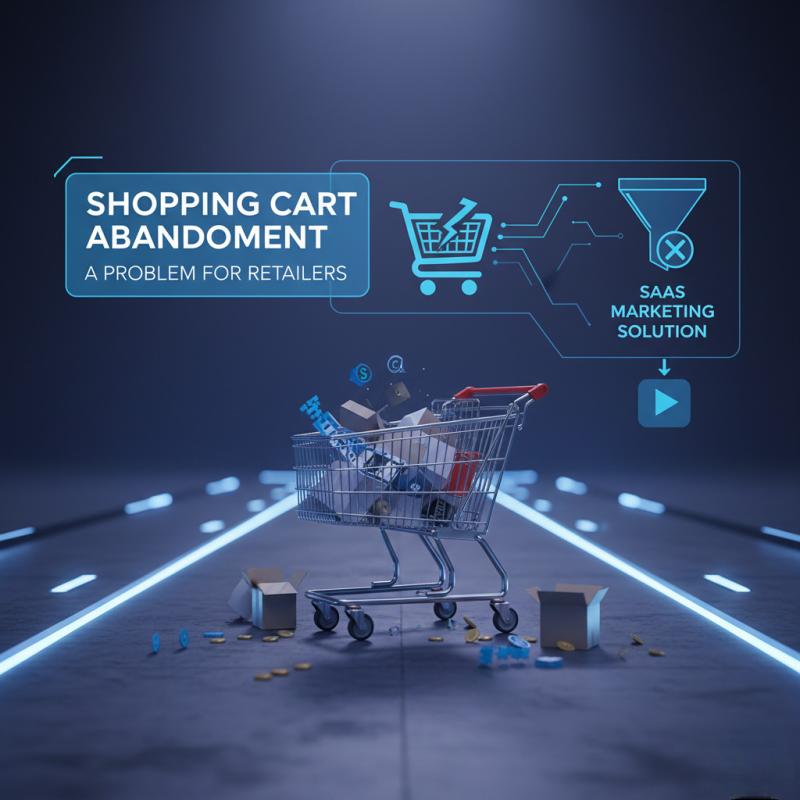
UK retailers lost a staggering £38 billion to
cart abandonment in 2024. This
problem is only getting worse, with losses jumping 11% since 2023. Nearly a
quarter of all online transactions slip away right at the finish line. As
you’re reading this, potential buyers are adding items to their baskets on your
site, only to leave before buying. The current cart abandonment rate is a
whopping 70.19%. That means 7 out of every 10 shoppers who seem ready to buy
end up walking away.
This isn’t just about website bugs or
technical slip-ups. These are real people making deliberate choices to leave at
the last moment. If you want to protect your revenue in 2025, understanding why
shopping cart abandonment happens is more important than ever.
Defining the Problem: Cart,
Basket, and Browse Abandonment Explained
So, what
is cart abandonment? Cart abandonment occurs when someone puts items in
their online cart but leaves before checking out. In the UK, you might hear it
called “basket abandonment”, in the
US, it’s usually coined as “shopping cart abandonment”. It’s the same issue,
just different names. Whether it’s a cart or a basket, it describes shoppers
who clearly intended to buy but left before paying.
What is
browse abandonment? Browse
abandonment is a bit
different. Here, visitors read product pages and look at images but never
actually add anything to their cart. A massive 92% of website visitors fall
into this group, making it the biggest point where shoppers drop off.
Why does this matter? Cart abandonment happens
when people are closest to buying, so those lost sales sting the most. Browse
abandonment, while still costly, usually involves people who aren’t quite ready
to pull the trigger.
Cart abandonment rate varies based on the
device usage: mobile users abandon their carts 85.65% of the time, compared to
69.75% on desktops and 80.74% on tablets. In Europe, places like France (88%),
Italy (83%), and Spain (86.15%) see an even higher cart abandonment rate, especially
on mobile.
The Psychology Behind Cart
Abandonment: Why Good Customers Walk Away
Shoppers don’t abandon their carts randomly.
There are clear patterns behind why they leave.
The biggest dealbreaker is unexpected costs.
41% of shoppers worldwide, and 49% in the UK, leave when they see surprise
shipping charges. Shoppers mentally budget for what they see, and extra fees
feel like a letdown. Offering free delivery might seem costly, but losing
nearly half your customers is worse.
Another major factor contributing to a basket abandonment rate is a
complicated checkout process. Nearly a quarter of UK shoppers quit because
checkout feels like a chore. Long forms, forced account creation, and confusing
steps quickly turn eager buyers into frustrated ones. Offering guest checkout
isn’t just nice; it’s essential.
Trust is also key. If your checkout page
doesn’t look secure, or if return policies aren’t clear, people get nervous and
leave. Adding trust badges and making policies easy to find can make a huge
difference.
Payment options matter, too. What happens if
someone can’t pay the way they want, no PayPal, no Buy Now Pay Later? Shopping cart abandonment, when they
were on the verge of completing the sale. As more people use digital wallets,
sticking to old-school payment methods means missing out.
Some shoppers just aren’t ready to buy; they
use carts to compare or save items for later. This is merely browse
abandonment. Some will come back in a day or two; others are waiting for payday
or a sale.
And sometimes, there are just too many
choices. When faced with lots of products, shipping options, or checkout steps,
people can feel overwhelmed and leave rather than decide.
Why is shopping cart abandonment a
problem for retailers?
The financial hit from cart abandonment is
massive: globally, shoppers leave behind £4.6 trillion worth of products every
year. For UK retailers, the £38 billion in lost sales also means wasted
marketing budgets. Every abandoned cart means you’ve spent money attracting a
customer who didn’t buy.
It gets worse: 26% of those who abandoned
their carts end up buying from a competitor. You did the work to get them
interested, but someone else gets the sale.
High abandonment rates also mess with your
predictions and planning. It makes it tough to manage inventory and forecast
demand. Plus, poor checkout experiences can sour customers on your brand for
good.
What is a Good Shopping Cart
Abandonment Rate and Key Metric?
Context is important. While the global average
for cart abandonment is 70.19%, what’s “good” varies by industry. Fashion and
travel sites often see rates as high as 75–85% since people like to shop
around. Electronics run around 70–80% because shoppers do more research.
If your cart abandonment rate is below 70%,
you’re doing better than most. Getting it down to 65% means you’re converting
more shoppers than the average retailer.
Recovery efforts are key too. Well-executed
abandoned cart campaigns can win back 15–25% of lost sales, sometimes even up
to 35% with the right strategies.
Expect desktop abandonment around 65% for
strong performance. For mobile, anything below 80% is excellent. Tablets should
land in between.
What are the ways to reduce cart
abandonment?
So, you run an online business and are
wondering how
to reduce cart abandonment rate in e-commerce? Start with honest
pricing. Show all fees, including shipping and taxes, up front. Make checkout
as easy as possible, with guest options and minimal forms. Offer a range of
payment methods, including digital wallets and Buy Now Pay Later.
Optimise your checkout flow: fewer fields,
clear steps, and visible security badges help ease the process. Make return
policies and customer support easy to find. Use exit-intent popups to offer
deals or reminders to those about to leave.
For advanced recovery, technology like
SaleCycle’s identity
resolution can help you identify
and track anonymous website visitors by up to 70% of otherwise
anonymous visitors. Multi-channel recovery, using email, SMS, and
advertisements, lets you reach out with targeted messages to bring shoppers
back.
Behavioural analytics can uncover patterns,
helping you fix the points where shoppers tend to leave.
The Path Forward: Acceptance vs
Action
Cart abandonment isn’t going anywhere if anything, it’s likely to rise with more
people shopping on mobile and increased competition. Retailers who want to
thrive need to stop seeing abandonment as inevitable and start treating it as a
chance to win back revenue.
Every abandoned cart is a sign that someone
was interested they just needed a bit more convincing. Instead of letting those
opportunities slip away, invest in tools and strategies to recover those lost
sales.
The £38 billion lost in 2024 doesn’t have to
turn into £42 billion next year. Smart retailers are already turning cart
abandonment into a way to grow, not just a cost of doing business. The choice
is yours.
Looking to go more in-depth? Explore cart abandonment in
e-commerce for a deeper perspective.

Comments