White Label Investment Platforms: Future of Digital Wealth Tech
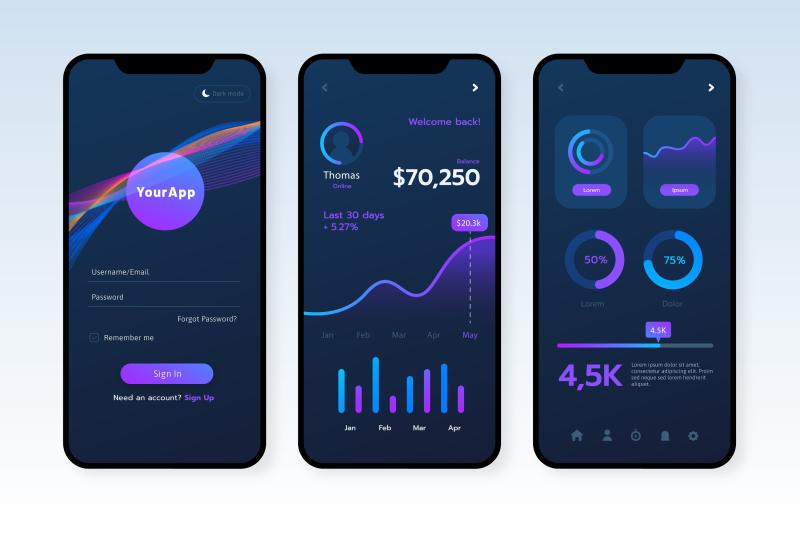
The financial world is shifting rapidly toward digital-first solutions, and businesses are increasingly adopting ready-to-launch wealth management systems. A White Label Investment Platform empowers companies to offer modern investment experiences without building technology from scratch. As customer expectations evolve, these platforms are becoming the foundation of the future digital wealth tech ecosystem.
What Is a White Label Investment Platform?
A White Label Investment Platform is a ready-made, customizable investment system that businesses can rebrand and launch as their own. It removes the need for extensive development, allowing banks, fintech startups, advisors, and brokers to offer investment products quickly and efficiently.
These platforms support mutual funds, stocks, bonds, ETFs, crypto, and other asset classes. They also integrate tools for portfolio tracking, automated investing, analytics, and compliance.
Why Businesses Are Switching to White Label Investment Solutions
Faster Market Entry
Launching a custom investment system can take years. A White Label Investment Platform lets companies go live within weeks, reducing development time and operational costs.
Custom Branding and Personalization
Companies can add their branding, color scheme, features, and workflows to give users a seamless, personalized experience. This flexibility is crucial for building customer trust.
Regulatory Compliance
These platforms often come pre-built with KYC, AML, tax reporting, and auditing capabilities. This reduces compliance risks and saves legal costs.
Scalable Architecture
A White Label Investment app is designed to support growing user bases, new markets, and additional asset classes. This makes it an ideal choice for fast-scaling businesses.
Key Features of a Modern White Label Investment App
User-Friendly Dashboard
A clean, intuitive interface helps investors monitor portfolios, track performance, and review market insights easily.
Automated Portfolio Allocation
Platforms often include robo-advisory features such as automated rebalancing, risk profiling, and goal-based investment tools.
Multi-Asset Support
From stocks and ETFs to crypto and real estate, users can diversify investments from a single platform.
Secure Payment & Banking Integrations
These include ACH transfers, payouts, wallets, and integrations with global banking systems.
Real-Time Market Data
Investors expect live charts, price feeds, and market updates — all typically built into a White Label Investment Platform.
Advanced Security
Encryption, MFA, secure APIs, and fraud detection ensure a safe trading environment.
How White Label Investment Platforms Are Transforming Digital Wealth Tech
Democratizing Wealth Management
Earlier, only large financial institutions could afford high-end digital investing tools. Today, even small fintech startups can launch a competitive White Label Investment app at low cost.
Enabling Hyper-Personalized User Journeys
AI-driven analytics allow platforms to deliver personalized recommendations, risk assessments, and financial planning insights.
Supporting Global Expansion
Built-in multi-currency, multi-language, and regulatory modules make it easier for businesses to serve global audiences.
Lowering Technical Barriers
Companies without deep technical teams can still offer advanced investing experiences thanks to pre-built systems.
Future Trends Shaping White Label Investment Platform Technology
AI-Powered Advisory Systems
Robo-advisors will become more intelligent, offering predictive analytics, personalized portfolios, and automated planning.
Blockchain-Based Asset Management
Tokenized assets, digital identities, and blockchain-based recordkeeping will enhance transparency and security.
Deeper Personal Finance Integration
Future platforms will blend investing, budgeting, insurance, lending, and retirement planning into one unified app.
Increased Focus on Hyper-Security
As cyber threats rise, security frameworks will evolve with biometric verification, risk scoring, and advanced fraud prevention tools.
Rise of Micro-Investing Apps
Micro-investing and fractional shares will attract younger investors, boosting demand for White Label Investment apps.
Who Should Use White Label Investment Platforms?
These platforms are ideal for:
-
Fintech startups launching investment products
-
Banks modernizing their digital banking offerings
-
Wealth management firms expanding online
-
Brokerage firms targeting digital-first investors
-
Entrepreneurs building niche investment apps
-
Crypto and tokenization platforms
Steps to Launch a White Label Investment App
Step 1: Define Your Market and Features
Identify your target audience, asset classes, and required functionalities.
Step 2: Select a Reliable Technology Provider
Choose a vendor with strong security, compliance support, and customization options.
Step 3: Customize the Branding
Add your brand identity, design system, and onboarding experience.
Step 4: Integrate Compliance Modules
Ensure KYC, AML, reporting, and risk-scoring systems are in place.
Step 5: Test the Platform
Conduct usability, performance, and security tests before launch.
Step 6: Deploy and Scale
Launch your White Label Investment Platform and expand features as your user base grows.
Conclusion
White Label Investment Platforms are reshaping the digital wealth management landscape. They allow businesses to launch modern investment experiences quickly, affordably, and securely. With the growing demand for digital finance, robo-advisory tools, and personalized investing, a White Label Investment app like stash clone is no longer optional — it is a strategic necessity. As technology evolves, these platforms will continue to drive innovation, accessibility, and financial inclusion worldwide.
Frequently Asked Questions (FAQs)
1. What is a White Label Investment Platform?
It is a ready-to-use investment system that businesses can rebrand and customize as their own without building complex infrastructure from scratch.
2. How long does it take to launch a White Label Investment app?
Most companies can launch within a few weeks, depending on the level of customization and integrations.
3. Is a White Label platform secure?
Yes. These platforms include strong security features such as encryption, multi-factor authentication, secure APIs, and regulatory compliance.
4. What types of assets can be offered?
Stocks, ETFs, mutual funds, crypto, bonds, real estate, tokenized assets, and more — depending on the provider.
5. Who uses White Label Investment Platforms?
Fintech startups, banks, wealth advisors, brokerage firms, and businesses entering digital investment markets.
6. Can the platform handle global users?
Yes. Many solutions include multi-currency, multi-language, and compliance tools for international markets.

Comments