AI in Wealth Management: From Automation to Personalization
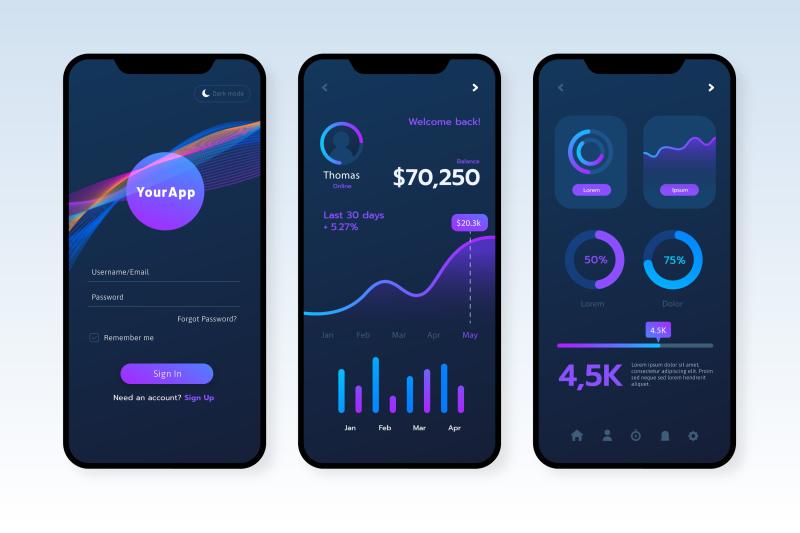
AI is changing the way financial institutions handle wealth, which is making the processes of wealth management smarter, faster and more personalized. Previously only helpful in the automation of back-office processes, AI is now at the heart of the provision of hyper-personalized investment experiences in the field of wealth management. The development of AI wealth management software is transforming the structure and implementation of advisory services as investors anticipate real-time information and tailored financial guidance.
The Evolution of AI in Wealth Management
Conventionally, wealth management has been a human-centered field. The financial recommendations were dependent on personal personalities, experience, and manual research by the advisors. Nevertheless, this situation started to change with the emergence of big data and machine learning. The first AI systems were largely applied to automation, including financial activities like rebalancing a portfolio, conducting compliance tests, and data input.
Currently, AI has the purpose of automation. Algorithms today process enormous volumes of data, learn the behavior of investors, and produce information that one could not have discovered manually in the past. This development is a wider trend in financial technology: away from efficiency-based automation, to intelligence-based personalization.
Automation: Laying the Foundation for Intelligent Systems
The initial phase of AI in the field of wealth management was on efficiency. Automation helped firms to minimize human errors and operational expenses. Other things that were automated early on included risk profiling, document processing and monitoring of transactions.
This change took the form of automated portfolio management systems that are commonly referred to as robo-advisors. They enabled them to invest using algorithms that conformed to their risk-taking capacity and economic objectives at low costs, providing them access to professional investment plans. These systems democratized wealth management, and financial planning which had been enjoyed by only high-net-worth investors, could now be accessed by small investors.
Nevertheless, as speed and precision were increased, automation did not give the option of emotional intelligence and personalization. This void preconditioned the next stage of the innovation.
Personalization: The New Core of AI-Driven Wealth Management
The current wealth management solutions powered by artificial intelligence can now be characterized by personalization. With natural language processing (NLP), predictive analytics, and behavioral modeling, the AI systems are now capable of understanding the needs of individual clients to a level that was never previously possible.
These systems are not just grouping investors by risk-taking capacity; they evaluate mood, expenditure and objectives in life to create dynamic financial profiles. What this has inferred is a more user-friendly, interactive wealth management experience.
As an example, AI-based platforms could predict when a client will require making changes in the portfolio because of market changes or other significant life circumstances, including home purchase or retirement. The advisor no longer has to crunch numbers but has to offer strategic advice, which AI-generated insights support.
This current automation to personalization represents not only a change in technology, but a change in philosophy: financial advice is proactive, as opposed to reactive; it is human, as opposed to process-oriented.
Key Technologies Powering the Transformation
A number of high-technology forces evolve AI in the wealth management:
Machine Learning (ML): Allows algorithms to be trained on past data and determine future trends in investment.
Natural Language Processing (NLP): This helps in the communication between clients and systems to enable chatbots and virtual advisors to give valuable advice using plain speech.
Predictive Analytics: Recognizes client behavioral trends in the financial activity to forecast their requirements and act accordingly to maximize their portfolio.
Robotic Process Automation (RPA): Processes low-level administrative work, which enables advisors to work on strategy and customer relationships.
Cognitive Computing: It entails combining human-like reasoning capabilities in AI systems to enhance the level of accuracy in decision-making.
Such technologies are often integrated into the overall AI Wealth Management Software Development framework, which aims to enhance data accuracy, facilitate customer interaction, and optimize investment performance simultaneously.
How AI Benefits Clients and Advisors
AI brings quantifiable benefits to both the wealth managers and clients.
For clients:
Individualized portfolios in accordance with life objectives and financial agenda.
Live market information and investment performance.
24-hour availability of chatbots and digital assistants using AI.
For advisors:
Data-driven information to make better decisions.
Efficiency in constant repetitive tasks because of automation.
Better relationship with clients because of improved understanding of the behavior of investors.
AI fills the knowledge gap between human experience and data intelligence to amplify the efficiency and reliability of financial decisions.
Ethical and Regulatory Considerations
The increased integration of AI in wealth management poses risks to the privacy of data, transparency, and algorithm bias. Banking institutions have to make sure that their AI models are regulated and that their clients have trust in them.
Information on the way algorithms are making decisions needs to be communicated clearly. Investors are supposed to know what they are being advised on and the reasons of why they have been advised. Also, companies should safeguard sensitive financial information by using high-level encryption, policies, and ethical design standards.
In this field, it is important to balance innovation and accountability to have sustainable growth of AI.
The Future of AI Wealth Management Software Development
The coming development of AI Wealth Management Software will be devoted to adaptive intelligence which, in its turn, will be the systems capable of continuous learning and adaptation with the clients and the market trends. The solutions will be seamlessly integrated with other fintech ecosystems, such as asset management using blockchain, decentralized finance (DeFi), and cross-border investment solutions.
AI will be used by wealth managers of the future as a tool of relationship management in addition to analysis. Financial advisors will have their digital avatars and conversational AI that will be used to engage clients and educate them on a continuous basis.
Essentially, the future of AI in wealth management is symbiosis, machines are complex, and people are focused on empathy and judgment.
Conclusion
The field of wealth management has changed with the concept of AI introduced which has modified its view towards automation and individualization. It enables financial institutions to provide customized intelligent and transparent advise. With the strong AI Wealth Management Software Development, the industry has been moving forward to data-driven empathy, where the technology does not eliminate, but enhances human comprehension.
What is happening is yet to happen, but this much is definite; AI is no longer an instrument; it is a business ally in the future of financial well-being.
Frequently Asked Questions (FAQs)
What is AI in wealth management?
In wealth management, the term AI describes the use of artificial intelligence (AI) technologies (including machine learning, predictive analytics, and customer interactions) to optimize critical financial planning, portfolio management, and customer interactions.
What is personalizing of investment by AI?
The AI systems scan the goals, behavior and risk-taking capacity of an investor, and create dynamic portfolios, offering custom advice.
Which are the main benefits of AI to financial advisors?
Artificial intelligence can help advisors automatize their administrative processes, use information to make investment choices, and build better relationships with their clients by making suggestions that are based on their unique needs.
Are risks of AI use in wealth management?
Yes. The problem of data security, transparency and the potential of algorithmic bias are also rather important areas of concern that are to be constantly followed and regulated by ethics.
What will the future of AI Wealth Management Software Development be?
The next generation systems will be more personalized, and will be able to integrate with new financial technologies and will be able to comply with models based on adaptive learning.


Comments