The Link Between Sleep and Weight Management
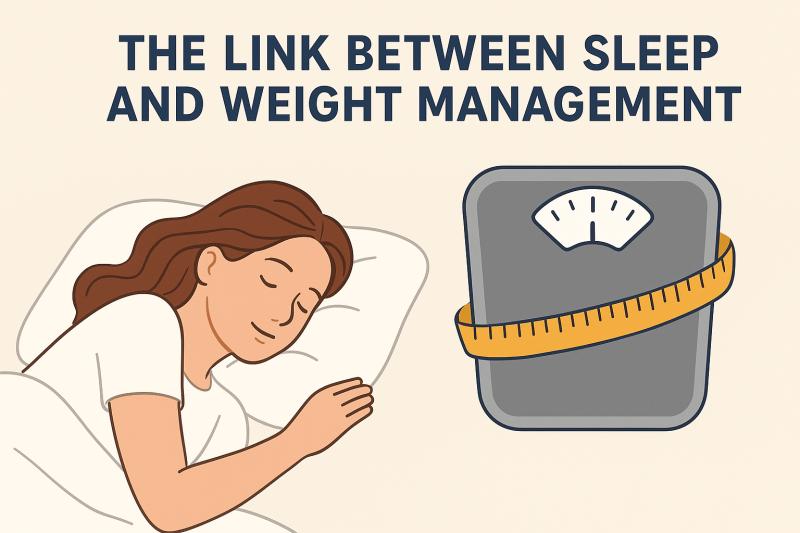
We often focus on diet and exercise when talking about weight management, but science reveals another powerful player: sleep. According to the Centers for Disease Control and Prevention (CDC), nearly 1 in 3 adults in the U.S. don’t get enough sleep. Lack of sleep not only makes you tired—it can directly impact your metabolism, hunger hormones, and even your daily motivation to stay active.
A 2022 study published in JAMA Internal Medicine found that people who slept just one hour longer per night consumed 270 fewer calories daily compared to those with restricted sleep. That’s a small but powerful shift that can make a big difference over time.
In this blog, let’s explore how deep sleep connects to weight control, and how small lifestyle changes—like using a supportive side sleeper pillow—can help you sleep better and keep your weight goals on track.
The Science Behind Sleep and Body Weight
When you cut sleep short, your body reacts in surprising ways:
-
Slowed metabolism: Poor sleep reduces energy expenditure.
-
Hormonal imbalance: Levels of ghrelin (the hunger hormone) increase, while leptin (the fullness hormone) decreases.
-
Cravings for high-calorie foods: The brain’s reward centers become more sensitive to sugary and fatty foods after poor sleep.
Research from the University of Chicago shows that people who sleep less than 7 hours a night are more likely to be overweight compared to those who regularly get enough rest.
In short, your body isn’t just tired after sleepless nights—it’s primed to store fat.
Why Sound Sleep Is Essential for a Healthy Metabolism
Think of sound sleep as your body’s reset button. During deep sleep:
-
Growth hormones repair muscle and burn fat.
-
Insulin sensitivity improves, helping regulate blood sugar.
-
Energy levels recharge for the next day’s workouts.
Without this restorative cycle, your metabolism works against you instead of for you. That’s why sleep is often called the “third pillar of weight management”—right next to diet and exercise.
Side Sleeper Pillow: How Better Sleep Accessories Support Weight Goals
You may not realize it, but your sleeping posture plays a huge role in sleep quality. Side sleeping is one of the healthiest positions, especially when paired with the right pillow.
Benefits of a side sleeper pillow for weight management and health:
-
Keeps spine aligned → reduces aches that can disrupt sleep.
-
Supports airway → lowers the chance of snoring and sleep apnea, which are linked to weight gain.
-
Improves sleep duration → better quality rest means fewer late-night cravings and more energy to exercise.
By simply upgrading your pillow, you can enhance comfort, enjoy sound sleep, and indirectly support your weight-loss efforts.
Hormones, Hunger, and Late-Night Cravings
Poor sleep throws hunger hormones into chaos:
-
More ghrelin = more hunger
-
Less leptin = less satisfaction after eating
This imbalance often results in late-night snacking or bigger portion sizes. Research shows that sleep-deprived individuals consume up to 385 extra calories per day—often from carbs and fats.
Ever wonder why pizza at midnight seems irresistible after a long, sleepless day? That’s biology, not just willpower.
The Role of Stress and Cortisol in Weight Gain
Lack of sleep also increases cortisol, the stress hormone. High cortisol not only promotes fat storage—especially around the belly—but also triggers emotional eating.
By contrast, when you achieve sound sleep, cortisol levels stay balanced, helping your body focus on burning fat instead of storing it.
Lifestyle Hacks: Sleep Habits That Aid Weight Loss
Here are some trendy yet science-backed hacks to improve your sleep for better weight management:
-
Stick to a bedtime routine – Going to bed and waking up at the same time every day keeps your circadian rhythm stable.
-
Upgrade your bedding – A supportive mattress and side sleeper pillow can improve comfort dramatically.
-
Limit screen time – Blue light delays melatonin, the hormone that signals your body it’s time to sleep.
-
Cool, dark, and quiet room – A sleep-friendly environment helps you fall asleep faster.
-
Mindful evening snacks – Choose light, protein-rich snacks instead of sugary or fatty foods.
FAQs
1. Can better sleep alone help me lose weight?
Not exactly. Sleep isn’t a magic fat-burner, but it optimizes hormones, metabolism, and energy levels—making your diet and workouts more effective.
2. How many hours of sleep do I need for weight management?
Most adults need 7–9 hours of sound sleep. Falling below 6 hours regularly has been strongly linked to weight gain.
3. Does using a side sleeper pillow really make a difference?
Yes! It improves posture, reduces snoring, and helps you stay asleep longer. Over time, that adds up to better recovery and stronger support for weight goals.
Final Thought
When it comes to weight management, diet and exercise may get all the attention, but sleep is the secret weapon. Without enough rest, your hormones, metabolism, and cravings work against you.
The good news? Small tweaks—like upgrading to a comfortable side sleeper pillow, sticking to a bedtime routine, and creating a sleep-friendly environment—can help you achieve sound sleep and better control over your health and weight.



Post Your Ad Here
Comments