How to Select the Perfect Water Tank for Long-Lasting Performance
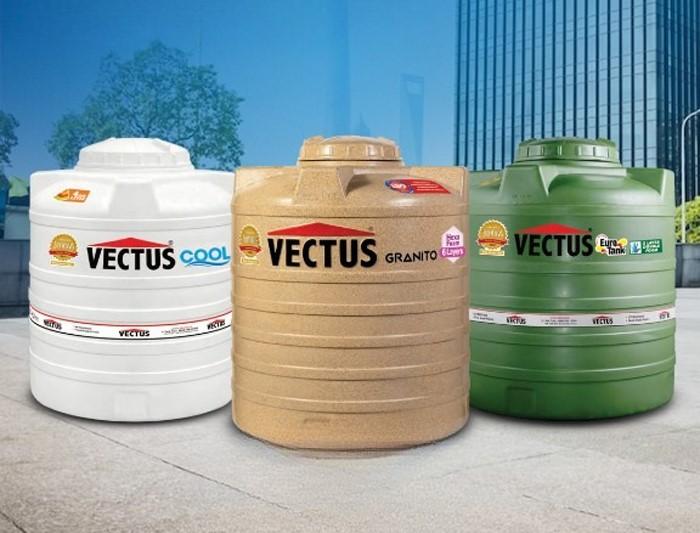
Choosing the right water tank for your home or commercial property is an important decision that impacts not just convenience but also water quality, system efficiency, and maintenance costs over time. A durable, high-performing tank ensures that you always have clean, safe water available for daily use, whether it’s for drinking, cooking, cleaning, or gardening. However, with so many options on the market, making the right choice can feel overwhelming. To help you make an informed decision, here’s a complete guide on how to select the perfect water tank for long-lasting performance.
Assess Your Water Storage Needs
Before you start shopping, it’s essential to determine how much water you actually need to store. The required capacity depends on several factors, including the number of people in your household, the frequency of water supply, and your average daily consumption. For instance, a family of four might need a water tank with a capacity between 1000 to 1500 litres, while a larger household or commercial setup may need a bigger one.
If you live in an area where water supply is irregular, opt for a larger tank to ensure you have enough reserves during dry spells or maintenance shutdowns. If your water supply remains steady, a medium-capacity tank should be more than enough. Planning your storage needs accurately prevents wastage and ensures efficient water management.
Choose the Right Material
The strength, safety, and longevity of your tank largely depend on the material it’s made from. High-quality plastic and polyethylene tanks have become the top choice for most households because they combine durability with hygiene. These materials are corrosion-resistant, non-reactive, and help preserve the purity of stored water over time.
A well-built water tank made from food-grade, UV-stabilized plastic can withstand varying weather conditions without degrading or allowing algae to form. These tanks are lightweight, making them easy to install and maintain, yet strong enough to endure long-term use. When picking a tank, look for a multi-layer design: the outer layer shields against sunlight, while the inner layer preserves water quality and temperature. Choosing the right material guarantees not only lasting performance but also safer, healthier water for your home.
Consider the Tank Type and Installation Location
Where you plan to install your tank is just as important as what it’s made of. There are three common types of tanks: overhead, underground, and loft. Overhead tanks are the most widely used since they rely on gravity to supply water with natural pressure. Underground tanks are ideal for larger properties where space is limited, while loft tanks are compact options designed for indoor use.
When deciding on placement, make sure the location is level, stable, and easily accessible for maintenance. The tank’s position should also ensure consistent water pressure throughout the property. Consulting a trusted watertank manufacturer can help you choose the right type and installation method for your space.
Focus on Capacity and Design
The design of the tank affects both aesthetics and functionality. Cylindrical tanks are common because they distribute pressure evenly, reducing the risk of cracks or deformation. Rectangular tanks are better suited for smaller spaces, such as lofts or basements, while vertical designs are preferred for outdoor setups to save ground space.
Choose a design that allows for easy cleaning and maintenance. Smooth inner surfaces prevent the buildup of sediment, algae, and bacteria. Additionally, ensure the tank has a strong lid that fits tightly to keep out dust, insects, and debris. A well-designed tank not only performs efficiently but also complements the layout of your home or facility.
Ensure Proper Ventilation and Fittings
Ventilation plays a key role in maintaining the quality of stored water. Your tank should have an air vent covered with a fine mesh that allows airflow while preventing insects and dust from entering. High-quality inlet and outlet fittings are equally important. These should be made of non-corrosive materials and properly sealed to prevent leaks.
Make sure the tank includes an overflow outlet and a drainage point for easy cleaning. Small design elements like these greatly influence the tank’s overall functionality and longevity. Reputable water tank manufacturer brands often include these features as standard to enhance durability and performance.
Prioritize Hygiene and Safety
Clean, safe water is a non-negotiable part of a healthy household. Always select tanks made from food-grade, BPA-free plastic to prevent contamination. Tanks with multiple protective layers are ideal-the outer layer shields against UV rays, the middle layer offers strength and insulation, and the inner layer maintains water purity.
If your tank is exposed to sunlight, consider installing a cover or shade to prevent heating and algae growth. Regular cleaning is also essential; schedule a thorough cleaning every six months to remove sediment and bacteria. By prioritizing hygiene, you ensure that your water remains fresh, safe, and free from harmful pollutants.
Evaluate Durability and Maintenance Needs
A long-lasting water tank should be both sturdy and easy to maintain. Look for tanks with reinforced walls that resist cracking under pressure or temperature fluctuations. Tanks with smooth surfaces and anti-fungal coatings require less frequent cleaning, reducing your long-term maintenance efforts.
It’s also wise to inspect your tank periodically for leaks, dents, or discoloration. Early detection of minor issues can prevent costly repairs in the future. A good tank should last at least 10–15 years with proper care, making it a worthwhile investment in your home’s water infrastructure.
Energy and Cost Efficiency
Selecting the right tank can also contribute to energy savings. For example, overhead tanks use gravity for water distribution, reducing the need for electric pumps. Similarly, insulated tanks help maintain stable water temperatures, minimizing heat loss or gain.
When comparing models, don’t just look at the price tag-consider the long-term benefits. A slightly more expensive but high-quality tank from a trusted water tank manufacturer can save you money over time by reducing maintenance costs, water wastage, and energy use.
Warranty and After-Sales Support
Finally, always check the warranty and customer support offered by the manufacturer. A reliable warranty indicates confidence in the product’s quality and durability. Many reputable brands also offer installation assistance and guidance on cleaning and maintenance. Choosing a manufacturer that provides excellent after-sales service ensures peace of mind and long-term satisfaction.
Conclusion
Selecting the perfect watertank is about more than just finding a container-it’s about choosing a solution that ensures reliability, hygiene, and efficiency for years to come. By considering factors like material, design, capacity, and placement, you can make an informed choice that meets your household or commercial needs.
Working with a reputable water tank manufacturer will help you identify the best options for your environment and ensure professional installation and support. With the right tank and proper maintenance, you’ll enjoy clean, safe water and long-lasting performance that supports your home’s health and sustainability.
Post Your Ad Here
Comments