Glass Tube Thermometer: Features and Applications
Temperature measurement is fundamental in science, industry, and everyday
life. From monitoring chemical reactions in laboratories to controlling
industrial processes, precision and reliability are critical. One of the most
trusted and time-tested instruments for temperature measurement is the Glass Tube Thermometer.
Though digital and infrared devices have gained
popularity, glass tube thermometers remain indispensable in many settings due
to their accuracy, simplicity, and durability. They also work seamlessly
alongside other precision instruments like the Sanitary Gauge and Pressure
Gauge Snubber—forming an essential trio in temperature and pressure
monitoring systems.
This article explores the key features, working
principle, and wide-ranging applications of the glass tube thermometer,
offering insights for professionals, students, and industries alike.
Understanding the Glass Tube Thermometer
A Glass
Tube Thermometer is a traditional yet precise
instrument that measures temperature based on the expansion and contraction of
a liquid—usually mercury or alcohol—inside a sealed glass capillary tube.
Structure
and Design
A typical glass tube thermometer consists of:
·
Bulb:
The bulb at the lower end holds the temperature-sensitive liquid (mercury or
colored alcohol).
·
Capillary
Tube: A narrow glass tube where the liquid expands or contracts
depending on temperature changes.
·
Scale:
A calibrated temperature scale (Celsius, Fahrenheit, or both) that allows the
user to read the temperature accurately.
·
Stem and
Case: Protective components that ensure stability, safety, and long
service life.
The simplicity of this design ensures that
readings are both reliable and repeatable, even under varying conditions.
How a Glass Tube Thermometer Works
The working principle is rooted in a simple
physical law: liquids expand when heated
and contract when cooled.
When the bulb of the thermometer is exposed to
a change in temperature:
1.
The liquid inside the bulb expands or contracts.
2.
This movement pushes the liquid column up or down the
capillary tube.
3.
The corresponding temperature value can then be read on
the scale.
This straightforward yet precise mechanism
allows users to measure temperature with minimal maintenance or calibration
needs.
Key Features of the Glass Tube Thermometer
The Glass
Tube Thermometer continues to be favored across industries for its
practical advantages. Here are its standout features:
1. High
Accuracy
Glass thermometers provide precise readings,
especially in controlled environments like laboratories and production
facilities.
2. Wide
Temperature Range
Depending on the liquid used, they can measure
a wide range of temperatures:
·
Mercury
thermometers: up to 600°C
·
Alcohol
thermometers: as low as −200°C
3.
Excellent Chemical Resistance
The borosilicate glass construction resists
chemical reactions, ensuring long-term durability even in harsh environments.
4. No
Power Source Required
Unlike digital thermometers, glass tube
thermometers operate without batteries or electronics, making them ideal for
remote or field applications.
5. Easy
Calibration
They can be easily recalibrated using standard
temperature points, maintaining reliability over years of use.
6.
Visual Clarity
The transparent glass and colored liquid make
readings quick and easy, reducing the risk of misinterpretation.
Applications of Glass Tube Thermometers
1.
Laboratory and Research Work
In laboratories, glass thermometers are
indispensable for experiments requiring precise temperature control—such as
chemical reactions, solution testing, and calibration of other instruments.
Their reliability makes them a benchmark for comparison against electronic
sensors.
2.
Industrial Processes
Many industries still rely on Glass Tube Thermometers for monitoring
temperature in manufacturing processes—especially in environments where
electronic devices might fail due to heat or electromagnetic interference.
Examples include:
·
Chemical and pharmaceutical manufacturing
·
Food and beverage processing
·
Petrochemical and oil refining
·
Heat treatment and metal processing
3. HVAC
and Mechanical Systems
Technicians use glass thermometers to check
system temperatures in heating,
ventilation, and air conditioning (HVAC) setups. Their stability
ensures consistent readings in maintenance and troubleshooting.
4.
Sanitary Applications
When paired with a Sanitary Gauge, glass thermometers ensure hygienic
temperature monitoring in sensitive environments like:
·
Dairy production
·
Brewing and fermentation
·
Pharmaceutical mixing tanks
These sanitary systems prevent contamination
while ensuring process accuracy.
5.
Pressure Monitoring Systems
In many industrial setups, temperature and
pressure are closely linked. Glass Tube
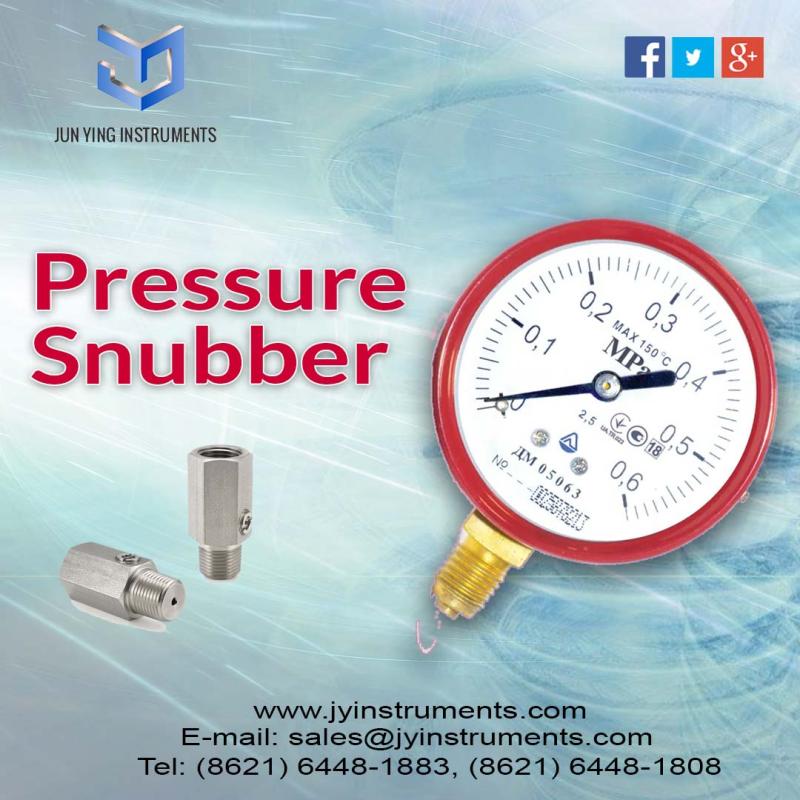
Thermometers are often used alongside a Pressure Gauge Snubber—a
device that dampens pressure fluctuations to protect gauges from sudden spikes.
This combination ensures accurate readings and longer equipment life.
6.
Educational Settings
In schools and universities, glass
thermometers remain valuable teaching tools for demonstrating basic physical
principles and laboratory techniques.
Glass Tube Thermometer vs. Digital Thermometer
While digital devices have revolutionized
temperature measurement, glass tube thermometers still hold a unique place.
Here’s a quick comparison:
|
Feature |
Glass Tube
Thermometer |
Digital
Thermometer |
|
Power Source |
None required |
Battery/electric power |
|
Accuracy |
High (in controlled settings) |
Very high, but can drift |
|
Durability |
Fragile glass, but long-lasting |
Sensitive to moisture and impact |
|
Calibration |
Manual, easy to adjust |
May require software recalibration |
|
Cost |
Low |
Moderate to high |
|
Ideal Use |
Laboratories, industries |
Fieldwork, medical applications |
The takeaway: glass thermometers remain an economical and dependable choice
where simplicity and accuracy are valued.
Best Practices for Using a Glass Tube Thermometer
To ensure accuracy and safety, follow these
guidelines:
1.
Avoid sudden
temperature shocks – Allow the thermometer to adjust gradually.
2.
Keep it clean
– Wipe the bulb with a soft cloth before and after use.
3.
Store safely
– Use protective cases to prevent breakage.
4.
Read at eye level
– To avoid parallax error.
5.
Use compatible
accessories – Pair with Sanitary
Gauges and Pressure Gauge
Snubbers for complete system monitoring.
6.
Handle mercury
with care – If using mercury-based models, handle responsibly to
prevent contamination.
Environmental Considerations
As safety and environmental regulations
evolve, mercury thermometers are being phased out in favor of alcohol or
spirit-based versions. These alternatives retain the same functionality without
the risk of mercury exposure. Many industries are transitioning to mercury-free glass thermometers to align
with environmental safety standards.
Conclusion
The Glass
Tube Thermometer remains a classic example of simple engineering that
stands the test of time. Its ability to deliver reliable, accurate temperature
readings without the need for power or complex calibration makes it
indispensable across laboratories, industrial plants, and educational
institutions.
When integrated with complementary instruments
like the Sanitary Gauge
for hygienic environments or the Pressure
Gauge Snubber for stable pressure readings, it becomes part of a
robust measurement system that supports safety, quality, and efficiency.
In a world leaning toward digital solutions,
the glass tube thermometer continues to prove that sometimes, the simplest tools are still the most dependable.
Whether in research, production, or fieldwork, its relevance endures—quietly
reinforcing the foundations of precision measurement.
Post Your Ad Here
Comments