Extend Equipment Life with Liquid Filled Pressure Gauges
In any industrial or
mechanical system, precision and durability are key. Whether you’re operating
heavy machinery, managing hydraulic systems, or maintaining a manufacturing
line, one small component can make a huge difference—the Liquid Filled
Pressure Gauge.
These gauges may seem like
simple instruments, but they play a crucial role in ensuring accurate readings
and protecting sensitive equipment from vibration, pulsation, and harsh
environmental conditions. In this article, we’ll explore how liquid filled
pressure gauges help extend equipment life, improve reliability, and save
money in the long run.
What Is a Liquid Filled Pressure Gauge?
A Liquid Filled Gauge is
similar to a standard pressure gauge but with a twist—it’s partially or
completely filled with a damping liquid, usually glycerin or silicone oil. This
liquid serves an important purpose: it cushions the internal components,
reducing the effects of vibration, pulsation, and pressure spikes.
The result? A gauge that lasts
longer, delivers more stable readings, and requires less maintenance than its
dry counterpart.
Why Equipment Fails Sooner Than Expected
Before understanding how
liquid filled gauges extend equipment life, it’s worth noting why equipment
often wears out early.
Common causes include:
- Continuous vibration:
Machinery and pumps create vibrations that can loosen fittings and damage
sensitive components.
- Pressure fluctuations: Sudden
changes in pressure can cause stress on gauges, seals, and pipes.
- Corrosive environments:
Exposure to moisture, chemicals, or dust can degrade equipment quickly.
- Inaccurate monitoring:
Poor-quality or malfunctioning gauges lead to incorrect readings and
delayed maintenance decisions.
Each of these issues can be
mitigated or prevented by using the right pressure monitoring tools—especially
liquid filled pressure gauges.
How Liquid Filled Gauges Protect Equipment
1. Absorb Vibration and Shock
One of the main advantages of
a liquid filled gauge is its ability to dampen vibrations. The liquid
inside the case acts like a cushion, absorbing movement that would otherwise
transfer directly to the needle and internal mechanisms.
For example, in hydraulic
systems, constant vibration can cause a dry gauge’s needle to flutter,
making it hard to read and shortening its lifespan. A liquid filled pressure
gauge, however, provides a steady, easy-to-read display—even in rough
conditions.
2. Reduce Wear and Tear on Components
The liquid medium also
minimizes friction and mechanical wear on moving parts inside the gauge. Less
friction means less heat and less chance of mechanical failure over time.
By reducing internal stress,
the gauge’s accuracy and calibration remain stable for much longer periods,
leading to lower maintenance costs and longer equipment life.
3. Prevent Condensation and Corrosion
Another benefit of liquid
filling is the prevention of moisture build-up. The liquid acts as a
barrier, keeping out humid air and contaminants that could corrode metal parts
or fog up the gauge window.
This is particularly useful in
outdoor installations or environments with fluctuating temperatures
where condensation is common.
Comparing Liquid Filled Gauges and Dry Gauges
|
Feature |
Liquid Filled Gauge |
Dry Pressure Gauge |
|
Vibration Resistance |
Excellent |
Poor |
|
Accuracy Stability |
High |
Moderate |
|
Durability |
Long-lasting |
Shorter lifespan |
|
Maintenance |
Minimal |
Frequent recalibration |
|
Cost |
Slightly higher upfront |
Lower initially |
|
Ideal Use |
Industrial, Hydraulic, Outdoor |
Stable, Indoor environments |
While a dry gauge may suffice
in calm, indoor environments, the liquid filled gauge proves its value
in dynamic, high-vibration, or outdoor conditions. The slight increase in cost
is quickly offset by longer service life and fewer replacements.
The Role of Pressure Gauge Accessories
To get the most out of your liquid
filled pressure gauge, Panel
mounted pressure gauge pairing it with the right accessories can make
all the difference.
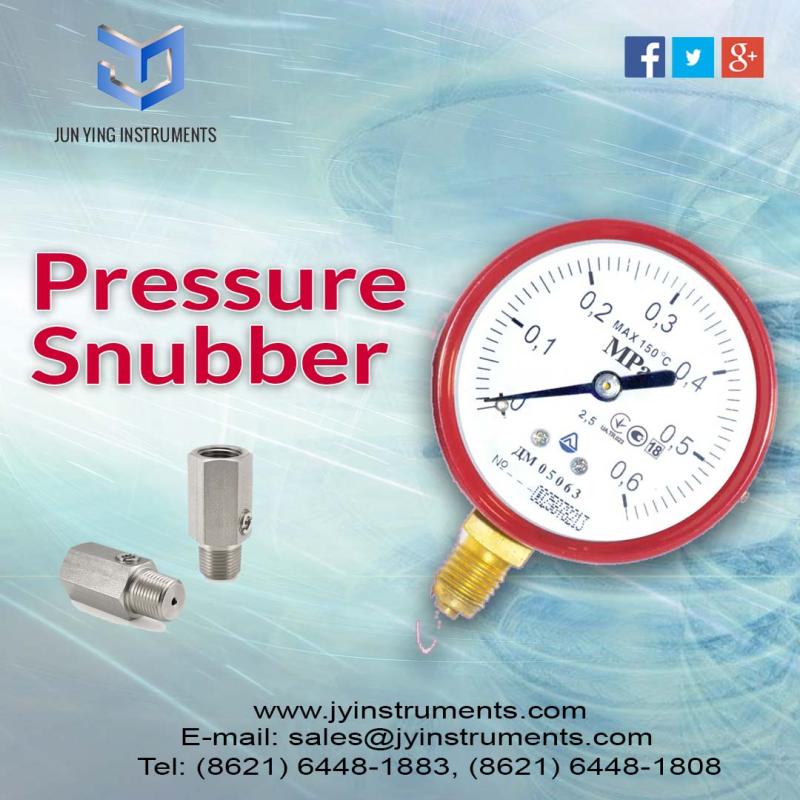
1. Pressure Gauge Snubber
A Pressure Gauge Snubber
is a small device that smooths out pressure spikes or pulsations before they
reach the gauge. This is particularly helpful in systems where pressure
fluctuates rapidly—like hydraulic presses or pumps.
Snubbers work hand-in-hand
with liquid filled gauges to reduce needle bounce and mechanical strain,
further extending gauge and equipment life.
2. Panel Mounted Pressure Gauge
A Panel Mounted Pressure
Gauge allows for neat installation on control panels, providing operators
with easy access to real-time pressure readings. It also offers an additional
layer of protection from mechanical impact or accidental contact.
In industrial applications,
panel mounting enhances both safety and aesthetic efficiency,
keeping your systems organized and easy to monitor.
Practical Example: Hydraulic System Longevity
Let’s consider a hydraulic
press used in a manufacturing plant. This equipment operates under high
pressure, often in a vibrating environment.
A dry gauge might give
inconsistent readings due to vibration, leading operators to misjudge system
pressure. Over time, this can cause overloading, seal damage, and premature
pump failure.
By switching to a liquid
filled pressure gauge combined with a pressure gauge snubber, the
plant can:
- Stabilize pressure readings
- Reduce vibration impact
- Prevent frequent gauge replacements
- Extend the life of pumps, seals, and fittings
This simple upgrade results in
lower downtime, fewer maintenance issues, and longer overall
equipment life.
Key Insights and Best Practices
To get the most value from
your liquid filled gauge, follow these best practices:
- Choose the right fill fluid:
- Glycerin is ideal for most
general applications.
- Silicone oil performs better in
extreme temperature environments.
- Match the pressure range:
Always select a gauge rated for twice your normal operating pressure to avoid overstressing the mechanism. - Use snubbers in pulsating systems:
This small addition can drastically improve gauge performance and accuracy. - Install correctly:
Mount gauges vertically and avoid direct contact with heat sources or corrosive chemicals. - Regularly inspect and recalibrate:
Even with liquid filling, periodic checks ensure optimal accuracy and reliability.
Environmental and Cost Benefits
Using a liquid filled
pressure gauge isn’t just good for performance—it’s also good for the
environment and your bottom line.
By extending the lifespan of
both gauges and connected equipment, you reduce waste from frequent
replacements and lower the environmental impact of manufacturing and disposal.
The energy efficiency
gained through accurate monitoring also contributes to overall sustainability.
Final Thoughts
In today’s fast-paced
industrial world, reliability and efficiency are non-negotiable. The Liquid
Filled Pressure Gauge may seem like a small component, but its impact is
significant—it helps protect valuable equipment, ensures accurate readings, and
reduces maintenance costs.
When paired with the right
accessories like a Pressure
Gauge Snubber or a Panel Mounted Pressure Gauge, it becomes a
long-term investment in the health of your machinery and operations.
Post Your Ad Here
Comments