How to Read a Tridicator: Pressure
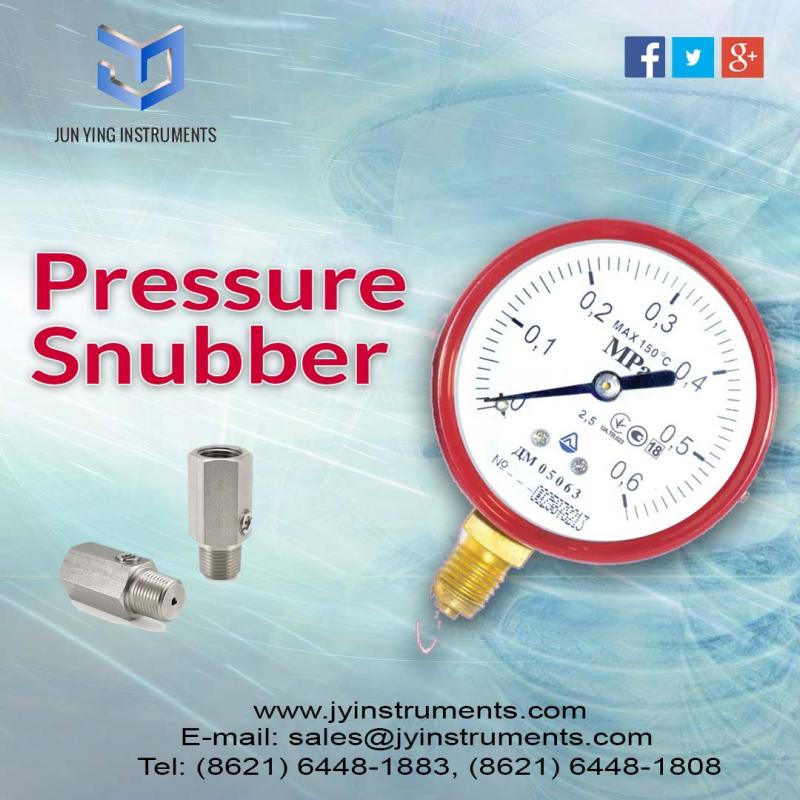
A tridicator is a combination gauge commonly
found in heating systems, such as boilers or hydronic systems. It combines two
critical measurements: pressure and temperature. Understanding how to read a
tridicator is essential for homeowners, technicians, and facility managers to
ensure a system is operating safely and efficiently.
This guide will walk
you through the basics of a tridicator, how to interpret the readings, and what
those readings mean for your system’s performance.
What Is a Tridicator?
A tridicator is a
dual-purpose analog gauge that typically displays both pressure (measured in
psi or pounds per square inch) and temperature (measured in degrees Fahrenheit
or Celsius) with Low
Pressure Gauge. Some tridicators may also display altitude (in feet),
which correlates to system pressure in closed-loop hydronic systems. The
instrument is usually mounted directly on a boiler or heating system and gives
a quick visual overview of system conditions.
Why It Matters
Monitoring both
temperature and pressure is critical in hydronic heating systems. If either
value drifts outside of the normal operating range, it may indicate problems
such as overheating, pressure loss, or even a failing component. Ignoring these
signs can lead to system damage or unsafe conditions.
Tridicator Display Basics
Most tridicators
have two separate dials or needle indicators—one for temperature and one for
pressure. These are usually color-coded or marked differently to make them easy
to distinguish.
·
Pressure
Scale: Typically ranges from 0 to 100 psi. In residential systems, a
normal range is often between 12 and 30 psi.
·
Temperature
Scale: Usually ranges from 60°F to 250°F. Typical operating
temperatures for hot water heating systems are between 120°F and 200°F.
·
Dual
Needles: Some tridicators use two separate needles mounted on the same
axis. One is longer and thinner (usually for temperature), and the other is
shorter and thicker (usually for pressure).
How to Read the Tridicator
Reading a
tridicator is relatively straightforward once you know what to look for. Follow
these steps:
1. Identify the
Gauges
Locate the needle
for temperature and the one for pressure. Look for labels or different colored
scales to differentiate them. Temperature is usually shown in red or a lighter
color, while pressure is in black or darker shades.
2. Read the
Pressure
Check the pressure
needle and note the psi value. For most residential systems:
·
Normal
pressure (cold): 12–15 psi
·
Normal
pressure (hot/operating): 18–25 psi
·
Too low:
Below 10 psi (may cause system inefficiency or air intrusion)
·
Too high:
Above 30 psi (can trigger the pressure relief valve)
3. Read the
Temperature
Observe the
temperature needle and note the reading in °F or °C.
·
Normal
operating range: 140°F to 180°F
·
Too low:
Below 120°F (may not adequately heat the space)
·
Too high:
Above 200°F (risk of overheating or boiling)
4. Compare
Readings to System Settings
Use your system’s
manual or consult a technician to verify the acceptable range for your specific
installation. This is especially important for larger or custom systems that
may run at different specs.
Interpreting Unusual Readings
High Pressure and
High Temperature
This may indicate
the system is overheating or the expansion tank is failing of Liquid Filled Gauge. It
could also be a sign of air trapped in the system, preventing proper
circulation.
Low Pressure and
Normal Temperature
This could mean
there’s a leak in the system or that the fill valve is not maintaining
pressure. Recharging the system might be required.
Fluctuating
Readings
If the needle jumps
erratically, it might suggest air in the lines or a malfunctioning tridicator.
It may need bleeding, cleaning, or replacement.
Maintenance Tips
·
Regular
Checks: Monitor the tridicator weekly during heating season.
·
Cleanliness:
Keep the face of the gauge clean for easy reading.
·
Calibration:
Periodically check against a known-good gauge to ensure accuracy.
·
Replacement:
If the tridicator becomes stuck, foggy, or gives inconsistent readings,
consider replacing it.
Safety First
Never attempt to
service a heating system while it is hot or pressurized. Always allow the
system to cool down and release pressure safely before performing maintenance
or checks.
If you're unsure of
how to interpret readings or suspect a problem, consult a licensed heating
professional. Tridicator
for pressure and temperature are reliable tools, but they must be read
correctly and used as part of a broader maintenance routine to ensure the
longevity and safety of your heating system.
By understanding how to read a tridicator and
knowing what the readings mean, you can detect issues early, improve energy
efficiency, and maintain a safe, comfortable environment.
Post Your Ad Here
Comments