How to Pick Exterior Paint That Withstands Central, OR Rain and Humidity
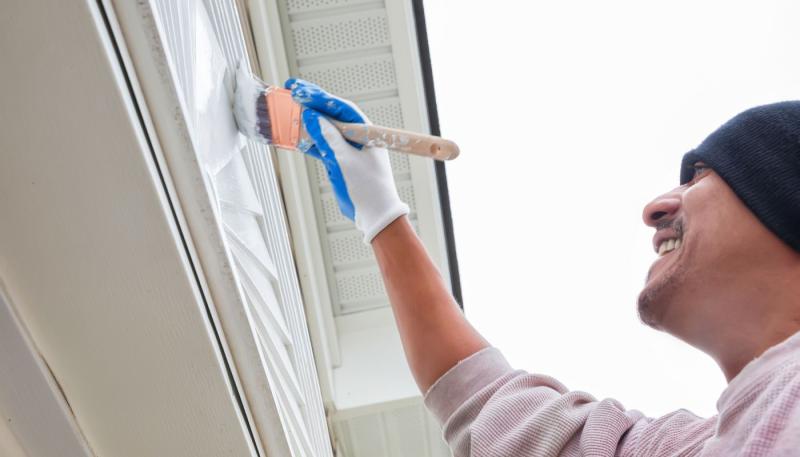
Central Oregon’s climate shapes every exterior-painting decision: long, wet winters, short dry summers, and seasonal swings that stress siding, trim, and paint differently. If you’re hiring an exterior painter Central Oregon or comparing Painting Services In Central Oregon, you want a finish that resists moisture, fights mildew, and still looks great for years. This guide walks through the local climate facts you need to know, how paint types perform in the Willamette Valley, surface-prep essentials, finish and color choices, and a short case study that shows what works in the field.
Understand Central Oregon’s Climate — and Why It Matters
Central Oregon sees a lot of its rainfall concentrated in autumn through spring; most precipitation falls between October and May, and the city averages roughly 40–52 inches of rain annually depending on the year. That persistent moisture plus relatively mild temperatures make mildew, algae, and paint blistering common problems if you choose the wrong products or skip proper preparation.
What this means for paint: choose coatings that shed water, breathe enough to avoid trapping moisture in siding, and include fungicidal or mildew-resistant additives when appropriate. Also plan projects around Central Oregon’s seasonal window — aim for spring through early fall when drying conditions are most reliable.
The Best Paint Families for Central Oregon’s Wet Winters
1. 100% Acrylic (High-Quality Latex) — The Reliable All-Rounder
Modern 100% acrylic exterior paints are flexible, UV-resistant, and breathe well, which helps wood and fiber cement siding release moisture rather than trap it. Acrylics have improved in adhesion and durability, and they’re the go-to for many trusted, top-rated painting pros on exterior wood, stucco, and properly primed surfaces. For most Central Oregon homes, a premium acrylic exterior in a high-performance formula is the best balance of longevity, color retention, and maintenance.
2. Elastomeric Coatings — For Problem Walls and Heavy-Exposure Areas
Elastomeric paints are thicker, highly water-resistant coatings that bridge hairline cracks and form a flexible, waterproof membrane. They’re especially useful for stucco, aging masonry, or siding with fine cracks that allow moisture to penetrate. While elastomeric is not necessary for every home (it can hide details and requires careful application), it’s an industry-leading option for high-moisture problem areas in coastal and valley climates like the Willamette Valley.
3. Oil-Based Finishes — Selective Use Only
Traditional oil-based paints still offer a hard, glossy finish that can be useful for trim and cabinetry, but they tend to be less breathable than acrylics and are less favored for full exterior siding in damp climates. If you choose oil-based products, save them for small-detail trim and metalwork where a durable, high-gloss coat is desired. Modern water-based alkyds combine some oil-like benefits with better breathability — consider those as an alternative for trim.

Finishes and Sheen: Where to Use Them
Pick sheens with maintenance in mind. In rainy, mildew-prone climates, semi-gloss or satin finishes on trim and doors are easier to clean and resist moisture better than flat sheens. Match siding with an eggshell or satin finish for a balance of hide and washability; reserve low-luster finishes for low-exposure walls and high-sheen for trim and entryways. Higher sheens are more resistant to stains and mildew growth and are easier to power-wash — a practical advantage in Central Oregon.
Prep, Substrate, and Primers — The Non-Negotiables
Paint lasts only as long as the surface beneath it. In Central Oregon you must:
-
Inspect for rot, trapped moisture, or failing caulk. Replace or repair rotten wood before painting.
-
Remove mildew and algae with a biocide wash (chlorine or peroxide-based cleaners), then rinse and allow to dry fully.
-
Use a quality primer matched to the substrate (stain-blocking primers for tannin-rich woods, masonry primers for concrete/stucco). A breathable exterior primer helps prevent moisture trapping.
-
Replace cracked caulk around windows, doors, and trim with a paintable, exterior-grade sealant.
Proper prep prevents premature failure, and a reliable exterior painter Central Oregon will budget time and materials for these steps — don’t let contractors skip them to “save time.”
Color Choice and UV/Weather Effects
Central Oregon’s cloud cover reduces extreme UV compared with drier interior climates, but UV still fades colors over time. Lighter colors reflect heat and reduce thermal cycling, which is beneficial for siding longevity; darker colors absorb heat and can increase expansion and contraction. For preservation and lower long-term maintenance, choose mid to light tones on large surfaces and reserve darker accents for trim. Use high-quality pigments — cheaper paints lose vibrancy and chalk faster.
Mildew Resistance and Additives
Look for formulas labeled mildew-resistant or containing fungicides. These don’t eliminate washing and inspection, but they slow growth, especially on north-facing elevations and shaded eaves where sunlight is limited. Combined with regular washing and inspection, a mildew-resistant coating is a proven way to extend intervals between cleanings and repaints.
Timing Your Paint Job in Central Oregon
Central Oregon’s ideal painting window runs from late spring through early fall, when the chance of rain is lower and daytime temperatures are usually between roughly 50°F and 85°F — conditions that allow paint to dry and cure properly. Avoid painting when humidity is very high or when surface temperatures are outside manufacturer recommendations. A reputable Painting Services In Central Oregon will schedule work for optimal drying windows and monitor the forecast carefully.
Finding the Right Contractor — Questions to Ask
When contacting an exterior painter Central Oregon, ask:
-
Which paint brands and product lines do you recommend for Central Oregon’s climate and why? (Listen for acrylic/high-performance and mildew-resistant options.)
-
How do you perform prep — will you remove mildew, replace rotten wood, and use a primer matched to substrate?
-
What sheen and product warranty do you offer?
-
Can you provide a case study or local references for similar homes in the Willamette Valley?
-
Are the materials and labor estimates itemized (so you can see the cost of primer, paint, and prep separately)?
A trusted, results-driven contractor will answer these clearly and include prep time in estimates. Affordable bids that heavily undercut competitors often cut corners on prep or use entry-level paints — be cautious.
Real-World Case Study: Craftsman in South Central Oregon
A 1920s Craftsman in South Central Oregon had peeling paint, stained trim, and recurring mildew on north elevations. The homeowner hired a local, well-experienced Painting Services In Central Oregon to remediate the problem.
Steps Taken:
-
Removed failing paint and replaced two rotted window sills.
-
Power-washed and treated siding with a peroxide-based mildew remover; allowed full drying for 72 hours during an unusually dry late-July stretch.
-
Primed exposed wood with a high-bond, breathable primer.
-
Applied 100% acrylic exterior paint on siding and a water-based alkyd on trim for durability and better breathability than traditional oil-based trim paint.
-
Chose satin for siding and semi-gloss for trim to simplify washing.
Result: After three seasons the paint remained intact with no blistering, and mildew was significantly reduced — the higher upfront cost for premium acrylics and thorough prep proved durable and cost-effective over repaint cycles.
Maintenance Tips to Extend Life
-
Annual wash: Gently wash shaded elevations in spring to remove mildew spores and surface dirt.
-
Trim inspection: Check caulk and flashing around windows each autumn.
-
Touch-ups: Quickly fix small chips to prevent moisture intrusion.
-
Recoat schedule: With premium acrylics and proper prep, many Central Oregon homes get 8–12 years between major repaints; lower-quality systems may need repainting much sooner.
Summary Checklist (Quick)
-
Prefer 100% acrylic exterior paint for most siding.
-
Use elastomeric only for specific masonry or stucco problems.
-
Reserve oil-based for small trim areas or use modern water-based alkyds.
-
Prioritize mildew removal, rot repair, and proper primers.
-
Schedule work during spring–early fall drying windows.
-
Choose finishes (satin/semi-gloss) that are easier to clean.
Selecting the right paint for Central Oregon’s Pacific Northwest climate is about matching product performance to local conditions, investing in prep, and hiring a contractor who understands the Willamette Valley’s rainfall patterns and seasonal windows. Whether you’re comparing exterior painter Central Oregon bids or evaluating Painting Services In Central Oregon, focus on materials, prep, and a proven track record — that combination yields long-lasting, low-maintenance results.
For dependable results, trust Ash Painting, a well-experienced and results-driven painting company serving homeowners throughout Central Oregon. With a reputation for reliable workmanship, premium materials, and a proven commitment to customer satisfaction, Ash Painting delivers durable, weather-resistant finishes designed to protect and beautify your home for years to come.
Post Your Ad Here
Comments