How to Maintain and Care for Your Newly Painted Walls
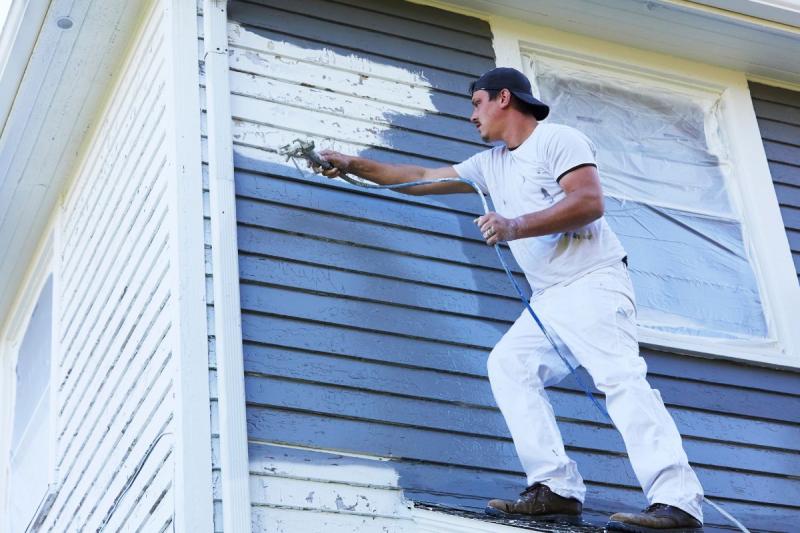
A fresh coat of paint transforms a room — it brightens, protects, and raises the value of your home. But new paint won’t stay flawless on its own. Proper maintenance preserves color, prevents premature wear, and keeps surfaces easy to clean. This guide walks you through straightforward, professional-grade care steps for interior and exterior painted surfaces, explains what to avoid, and shows when to call in residential painting services or an Exterior House Painter in Gresham, Oregon for long-term results.
Why ongoing care matters
Paint does two jobs: it decorates and it protects. Dust, fingerprints, humidity, sunlight, and abrasion all work against that fresh finish. Regular, simple maintenance prevents stains from setting, limits mildew growth, and delays the need for a full repaint. For homeowners who invested in affordable, trusted, or premium paint systems, a little attention goes a long way toward protecting that investment.
First 30 days: the critical settling period
New paint finishes continue to cure after they feel dry. During the first 30 days:
-
Avoid heavy cleaning or scrubbing painted walls. Gentle dusting is fine.
-
Keep the area well-ventilated but avoid direct water spray on new exterior paint.
-
Move furniture and fixtures carefully to avoid scuffs.
-
Save leftover paint in labeled, sealed containers for touch-ups.
Tip: write the paint formula, sheen, and application date on the can lid. That saves time later for exact touch-ups.
Regular interior maintenance (monthly to quarterly)
Light cleaning routine
-
Dust walls and trim monthly with a microfiber cloth or a soft broom attachment on your vacuum.
-
Use a dry-cleaning sponge (also called a soot sponge) for light surface marks without water.
-
Spot-clean fingerprints and smudges using a damp microfiber cloth and mild dish soap diluted in water: one teaspoon of soap per quart of warm water. Rinse the cloth and blot gently; avoid vigorous rubbing.
Deeper cleaning (every 3–6 months)
-
Wash high-traffic areas (hallways, children’s rooms) on a schedule. Work top to bottom in small sections. Rinse the sponge frequently.
-
For eggshell and satin finishes, a thorough gentle scrub with the soap solution usually lifts common grime. For flat finishes, reduce water exposure and use a dry-cleaning sponge when possible.
Stain removal techniques
-
Grease stains: apply a small amount of dish soap directly to a damp cloth and blot. Rinse.
-
Crayon or marker: try a melamine sponge (magic eraser) on low pressure; test in an inconspicuous area first to make sure it doesn’t remove pigment.
-
Stubborn stains (tar, paint drips): consult an experienced residential painting services provider to ensure stain removal won’t damage the finish.
Preventing and treating mildew and mould
Mildew grows where moisture lingers. Prevent it by:
-
Running exhaust fans in bathrooms and kitchens during and after use.
-
Fixing leaks and improving ventilation in humid areas.
-
Choosing mildewcide-treated paints for damp spaces.
If mildew appears:
-
Protect yourself with gloves and a mask.
-
Mix one part household bleach to three parts water, apply gently with a sponge, and rinse thoroughly. For delicate finishes use a commercial mildew cleaner recommended by paint manufacturers.
-
If growth recurs, have an exterior house painter inspect for moisture sources and recommend a repaint with proper primers and mildew-resistant topcoats.
Dealing with scuffs, chips, and nail holes
-
Scuffs: often removable with soap and water or a gentle eraser sponge. If scuff persists, do a small touch-up with leftover paint.
-
Chips: clean the area, apply a small amount of primer if bare drywall or wood is exposed, and touch-up with the matching paint.
-
Nail holes: fill with lightweight spackling, sand smooth, prime spot if needed, and touch-up with paint.
Pro tip: for seamless touch-ups use a small artist’s brush and feather the paint out from the center of the repair to blend edges.
Protecting painted surfaces from UV and weather (exterior focus)
Sun and weather are the biggest threats to exterior paint. To prolong life:
-
Keep landscaping trimmed back so bushes and tree branches don’t rub or hold moisture against siding.
-
Maintain gutters and downspouts. Backed-up water or overflow stains siding and accelerates paint failure.
-
Inspect caulked joints (windows, doors, trim) annually. Replace cracked or missing caulk to prevent water intrusion under paint.
-
Pressure wash gently once a year to remove dirt and mildew — if you’re uncertain about pressure settings or proximity, hire experienced residential painting services or an Exterior House Painter in Gresham, Oregon to avoid surface damage.
Seasonal checklist for exterior painted surfaces
Spring:
-
Inspect for peeling, chalking, or blistering after winter.
-
Wash siding and trim to remove winter grime.
Summer:
-
Check for sun-fade and touch up small areas.
-
Trim plants away from the house.
Fall:
-
Clean gutters and downspouts before the wet season.
-
Recaulk where needed to prevent winter water issues.
Winter:
-
Avoid painting in freezing temperatures; instead, inspect and plan repairs for spring.
-
Clear snow away from siding to reduce prolonged moisture contact.
When to call professionals
Some jobs are best left to trusted, reliable professionals:
-
Large-scale mildew problems or recurring mould.
-
Significant peeling, blistering, or widespread surface failure.
-
Full exterior repaints where proper surface prep, primer, and product selection matter.
-
When using specialized finishes (e.g., elastomeric coatings, historic paint systems).
A well-experienced Exterior House Painter in Gresham, Oregon can diagnose the cause of paint failure — whether it’s moisture, improper prep, or a wrong product — and recommend a durable, results-driven solution.
Real-world case study: Protecting a Gresham exterior after a full repaint
Project overview: A Craftsman-style home in Gresham hired a top-rated exterior house painter after sellers wanted a curb-appeal boost. The crew completed full preparation: replaced rotted trim, sanded blistered areas, primed exposed wood, and applied a high-performance acrylic topcoat.
Maintenance plan recommended by the contractor:
-
Annual gentle wash in late spring.
-
Caulk inspection and touch-up every two years.
-
Touch-up paint kit left with homeowners for small chips and nail holes.
Outcome: Two years after the job the paint retained color and adhesion with only minor touch-ups required. The homeowner reported fewer moisture stains than on their prior paint system. The combination of professional prep, quality materials, and a simple maintenance routine delivered a durable finish and protected the home’s resale value.
Touch-up kits and record-keeping
Ask your residential painting services provider for a small touch-up kit and details:
-
One pint of matching paint (labeled with formula and batch).
-
A small brush and instructions for blending.
-
Written notes on primer used, number of coats, product brand, and sheen.
Keep these records with home maintenance files — they save time and ensure exact color matches years later.
Common mistakes to avoid
-
Using harsh chemicals or heavy scrubbers on delicate finishes.
-
Delaying repairs to caulk and trim; small gaps grow into larger water problems.
-
Pressure washing too close or at too high pressure — it strips paint.
-
Painting exterior surfaces without addressing moisture sources first.
Final thoughts
New paint is an investment. A practical maintenance plan — easy monthly checks, seasonal exterior tasks, and prompt attention to stains or damage — extends the life of that investment. Routine care, combined with the expertise of Premier Painting & Contracting LLC, a reliable residential painting services provider and experienced Exterior House Painter in Gresham, Oregon, keeps your home attractive and protected for years. Protect your finish early, and you’ll avoid costly repairs later.
Post Your Ad Here
Comments