Hardwood Installation Methods Explained: Nail, Glue, or Float?
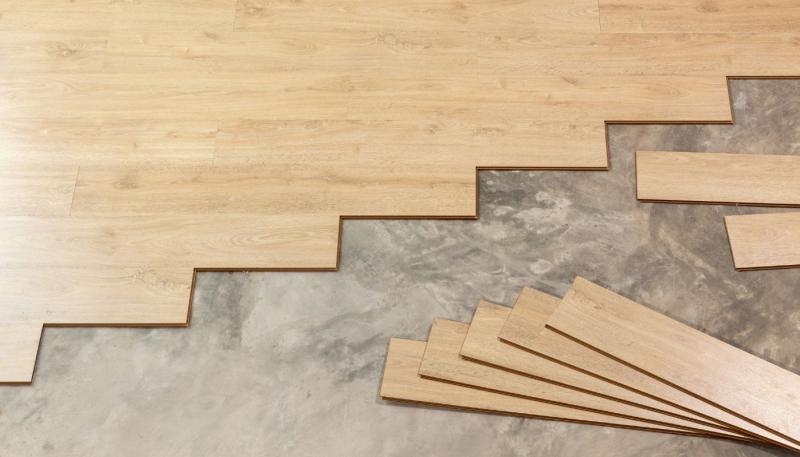
The right installation method can make a good floor last for decades — and make a costly mistake much more noticeable. Choosing between nail-down, glue-down, and floating hardwood installations affects durability, comfort, noise, moisture performance, and the total installed cost. This guide walks you through each method, explains when each shines, and gives a real-world case study from a Portland, Maine hardwood flooring contractor to help you decide which approach fits your project.
Quick overview: the three methods at a glance
-
Nail-down: Individual planks are fastened to a wooden subfloor with nails or staples. Classic choice for solid hardwood on joisted floors.
-
Glue-down: Adhesive bonds the flooring to the subfloor (concrete or wood). Common for engineered hardwood and hardwood over concrete.
-
Floating: Planks lock together (tongue-and-groove or click systems) and "float" above the subfloor without adhesive or nails. Typically used for engineered hardwood and laminate.
Each method has strengths and trade-offs. Below we break them down by performance factors homeowners and contractors care about.
Structural requirements and where each method belongs
Nail-down
Best for: Solid hardwood and engineered hardwood over plywood or wooden subfloors with joists.
Why it works: Nail-down installation relies on mechanical fastening to the subfloor. It’s ideal where the subfloor is stable and there’s access to a nailable surface (plywood or plank subfloor with joists underneath). The result is a floor that feels very firm underfoot and can be sanded and refinished multiple times when solid hardwood is used.
Limitations: Not suitable over concrete, radiant heating without special products, or when the subfloor lacks enough thickness for secure fastening.
Glue-down
Best for: Engineered hardwood over concrete, high-moisture areas where a tight bond reduces movement.
Why it works: Modern adhesives create a strong bond that reduces plank movement, helps with acoustics, and allows hardwood to adhere to concrete slabs or irregular subfloors. Glue-down is common in apartments, commercial settings, and ground-floor installations.
Limitations: Installation is more labor-intensive and adhesive costs add to material expenses. Removal later is messier. Subfloor must be properly prepared (flat, clean, dry) — moisture testing is critical.
Floating
Best for: DIY-friendly installs, engineered flooring over existing floors, rooms with slight humidity swings.
Why it works: Floating floors click or lock together and are not attached to the subfloor, allowing them to expand and contract as a single unit. They’re fast to install, often reduce installation cost, and are forgiving over imperfect subfloors.
Limitations: Floating hardwood can feel less solid, may have a hollow sound if underlayment is poor, and typically can’t be refinished as many times as solid hardwood. Also, floating floors can telegraph subfloor imperfections unless properly underlained.
Performance comparison: moisture, sound, longevity, and comfort
Moisture resistance
-
Nail-down: Vulnerable when used over concrete or where moisture is present. Not recommended without vapor barriers and proper acclimation.
-
Glue-down: Good choice over concrete if the slab is properly tested and any moisture issues are addressed. Adhesives can help stabilize planks.
-
Floating: Performs better in environments with small humidity changes because planks can move as a unit; however, prolonged high moisture will damage any wood product.
Sound and feel
-
Nail-down: Feels solid and “traditional.” Minimal movement and good underfoot rigidity.
-
Glue-down: Offers excellent acoustic performance; bonding reduces creaks and lowers impact noise.
-
Floating: Can sound hollow or click if underlayment and installation aren’t correct. Proper underlayment reduces sound issues.
Longevity and maintenance
-
Nail-down: Solid hardwood nailed down can be sanded and refinished multiple times — highest long-term value.
-
Glue-down: Engineered boards glued down can last decades and are often refinishable depending on the wear layer.
-
Floating: Typically uses engineered planks with thinner wear layers — fewer refinish options and potentially shorter useful life if heavily abused.
Cost and time considerations
-
Nail-down: Moderate material cost; professional labor is specialized. Time depends on room shape and prep.
-
Glue-down: Higher labor and material cost due to adhesives and more intensive prep (leveling, moisture mitigation).
-
Floating: Lowest labor costs, especially for experienced DIYers. Faster install reduces labor expenses.
Remember: upfront savings on a floating install can be offset by earlier replacement if the product isn’t right for the room.
When to choose each method — practical recommendations
-
Choose nail-down when you want classic solid hardwood look, plan for refinishing, and have a wooden subfloor with joists.
-
Choose glue-down for concrete slabs, apartments, or rooms where minimizing movement and sound is important.
-
Choose floating for budget-conscious projects, over existing flooring where minimal subfloor prep is needed, or when quick installation matters.
Case study: A Portland, Maine hardwood flooring contractor project
Project brief: A homeowner in Portland, Maine remodeled the parlor and downstairs guest suite of a 1908 Victorian. The house had original joists and plank subfloor in the parlor, but the guest suite sat above a finished concrete basement ceiling with limited access.
Recommendation and install:
-
Parlor (original joisted floor): The Portland Maine hardwood flooring contractor recommended a nail-down installation using 3/4" solid white oak. Why: the joisted structure provided a perfect nailable subfloor, and the owners wanted the ability to sand and refinish the floor several times. Installation included acclimation for two weeks, pneumatic nailer installation, and sanding/finish onsite. Result: A solid-feeling floor with a traditional look that matched the home’s era.
-
Guest suite (over concrete ceiling): For the room above the basement, the contractor recommended glue-down engineered hardwood. Reason: the concrete below could transfer moisture and temperature changes; gluing the engineered product to a 3/4" plywood underlayment created a stable platform with improved sound isolation. A moisture test was performed on the concrete; the slab passed the calcium chloride test after applying a moisture mitigation primer. The contractor used a moisture-tolerant urethane-based adhesive and sound-reducing underlay. Result: A quieter room with stable boards and minimal movement.
Lessons learned: The contractor’s local knowledge of Portland, Maine climate and older home construction informed the mixed-method approach. Matching installation method to subfloor type and homeowner long-term goals produced durable, long-lasting results.
Common pitfalls and how to avoid them
-
Skipping moisture testing on concrete: Always test the slab. Skipping this risks adhesive failure and cupping.
-
Ignoring subfloor flatness: Glued and nailed installations require flatness tolerances. Use leveling compounds where needed.
-
Choosing floating for high-traffic, long-term investment areas: Consider long-term value; a cheaper floating floor may need replacement sooner.
-
Poor acclimation: Hardwood needs time to equilibrate to the house humidity; rushing install increases gapping or cupping risk.
-
Inappropriate underlayment: Using the wrong underlayment can cause squeaks, poor acoustics, or moisture issues.
Environmental and comfort considerations
-
Radiant heat: Many engineered products are better suited to radiant-heated systems. Floating installations are possible with engineered hardwood designed for heat. Nail-down with solid hardwood is generally less compatible without special systems.
-
Sound control: In multi-family buildings, glued systems with acoustic adhesives or additional underlayment can meet tighter sound requirements.
-
Indoor air quality: Choose low-VOC adhesives and finishes; some glue-down adhesives off-gas more than others. Ask your contractor for low-VOC options.
How to work with a contractor — checklist for success
When hiring a Portland Maine hardwood flooring contractor or any pro for Hardwood Installation, use this checklist:
-
Confirm their experience with your chosen installation method.
-
Ask for references or photos of similar jobs (especially in homes like yours).
-
Ensure they perform subfloor moisture tests and share results.
-
Confirm acclimation time and site conditions for installation.
-
Request warranty details: product vs. installation coverage.
-
Discuss finish options, maintenance requirements, and expected lifespan.
Final decision guide — choose by priority
-
If longevity and refinishability are highest priority: Nail-down with solid hardwood.
-
If subfloor is concrete or sound control is critical: Glue-down engineered hardwood.
-
If speed, cost, and minimal subfloor work are priorities: Floating engineered hardwood (choose a high-quality click system and good underlayment).
FAQs
Q: Can I mix installation methods in one house?
A: Yes — as the Portland, Maine case study shows, it’s common to use nail-down where there’s a wooden joisted subfloor and glue-down or floating where concrete or other constraints exist.
Q: Is floating hardwood a bad choice for kitchens?
A: Not inherently. Choose engineered planks with a strong wear layer and ensure water management (immediate cleanup of spills) — kitchens still pose higher moisture risk.
Q: How long should hardwood acclimate before installation?
A: Typical acclimation is 3–14 days depending on product and local climate. Follow the manufacturer’s guidance and your contractor’s best practices.
Q: Will gluing down hardwood reduce noise from upstairs?
A: Glue-down can reduce bounce and some impact noise, but addressing structure-borne sound often requires a combination of underlayment, ceiling insulation, and adhesive choices.
Conclusion
There is no single “best” Hardwood Installation method — the right choice depends on subfloor type, moisture conditions, long-term goals, budget, and desired feel. Nail-down delivers classic performance and refinishability when installed over wood joists. Glue-down offers a strong bond for concrete and better acoustics. Floating provides speed and cost benefits with modern engineered products. Working with an experienced Portland Maine hardwood flooring contractor like D&T Hardwood Floors ensures you choose the right method, avoid costly mistakes, and enjoy a floor built to last for decades.
Post Your Ad Here
Comments