Septic Tank Pumping Frequency: How Often Should You Really Schedule Service?
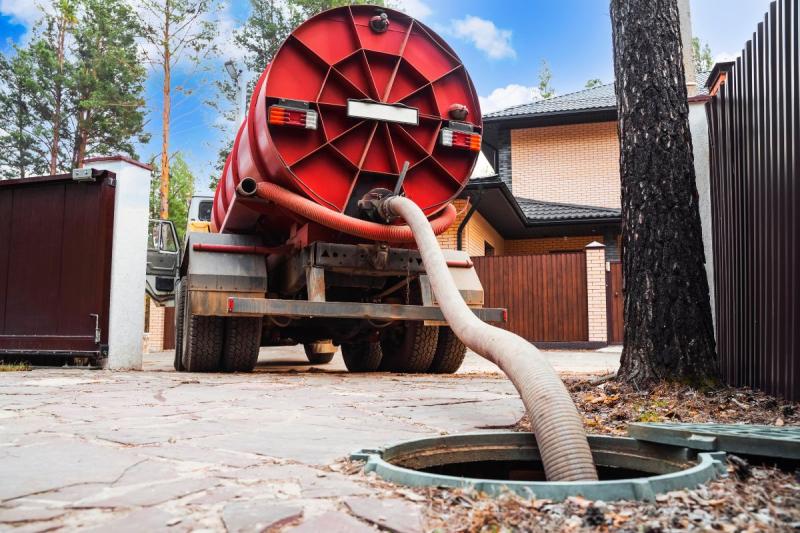
Keeping your septic system running smoothly starts with one simple question: how often should you pump it? For homeowners in South Florida — especially those in Miami — the answer depends on several concrete factors: tank size, household size, water use habits, and local regulations.
Why Regular Pumping Matters
A septic tank separates solids (sludge) from liquids (effluent). Over time, solids build up. If you skip pumping, solids can overflow into the drainfield, clogging soil pores and causing system failure. Repairs or drainfield replacements can cost thousands, and failures can create health and environmental hazards. Preventive pumping is far cheaper and protects property value.
Factors That Determine Pumping Frequency
1. Tank Size
Smaller tanks fill faster. A 1,000-gallon tank will need pumping sooner than a 1,500-gallon tank with the same household usage. Always check your tank size before setting a schedule.
2. Household Size and Water Use
More people means more wastewater. As a rule of thumb:
-
2 people: pump every 4–5 years
-
4 people: pump every 3–4 years
-
6+ people: pump every 1–3 years
High laundry frequency, long showers, or frequent guests shorten the interval.
3. System Type and Components
Standard gravity septic tanks differ from alternative systems (aerobic units, pumps, or electrical controls). Systems with mechanical parts usually need more frequent inspections (often annually) and sometimes more frequent pumping.
4. Household Habits and What You Flush
Non-biodegradable wipes, grease, chemicals, and excessive paper products accelerate sludge buildup and harm the bacteria that break down waste. Good habits extend the time between pumpings.
5. Local Regulations
Some counties and municipalities have rules about system registration, standards for new or replacement systems, and required inspections. Miami-Dade County has recently tightened standards for onsite sewage systems, which affects maintenance expectations for homeowners.
Specific Guidance for Miami, Florida
While the national recommendation is every 3–5 years, Florida’s warmer climate and high groundwater levels can influence how systems behave. Many local Miami companies suggest more frequent pumping — every 2–4 years for a typical 4-person household with a 1,000-gallon tank. Combine these general guidelines with a professional inspection to create a schedule tailored to your home and environment.
Real-World Example: A Miami Homeowner’s Experience
Case Study: A 4-person household in Miami with a 1,000-gallon concrete septic tank.
-
Background: Family of four, two remote workers (higher daytime water use), laundry twice a week, moderate use of cleaners, no garbage disposal.
-
Action: They had their tank inspected and pumped every 3 years. After noticing slow drains and greener grass patches near the drainfield, they called for an inspection. The technician found sludge levels approaching the outlet tee and recommended pumping plus installing an effluent filter.
-
Outcome: After pumping and filter installation, they adjusted their water habits and moved to an inspection every 2 years and pumping every 3 years. The small maintenance investment prevented a potential drainfield repair that could have cost several thousand dollars.
This example shows how regular inspections and preventive actions extend system life and avoid costly repairs.
How to Determine Your Ideal Pumping Interval
-
Find your tank size and layout. Check house records or ask a septic professional to locate and measure the tank.
-
Count household occupants and estimate water use. More people and more water use shorten the interval.
-
Schedule professional inspections every 1–3 years. A technician will measure sludge and scum levels and assess tank condition.
-
Adjust for system type. Systems with pumps or advanced components may need more frequent maintenance.
-
Keep a maintenance log. Track every inspection and pumping date to predict future service needs.
-
Consider an effluent filter. It keeps solids from entering the drainfield, extending system life.
Signs You Need Pumping Sooner
-
Slow drains or gurgling sounds in toilets
-
Sewage odors near the tank or drainfield
-
Wet or soggy spots over the drainfield
-
Sewage backup inside the house
If you notice any of these issues, schedule an inspection immediately.
Cost Considerations in Miami
In Miami, the average septic tank pumping cost ranges between $300 and $600 depending on tank size, accessibility, and condition. Emergency services or large tanks can cost more. Considering that drainfield replacement can run into the thousands, regular pumping is a smart, affordable investment. Always request a written estimate from licensed professionals before work begins.
Hiring a Septic Service: What to Look For
-
Licensed and insured professionals
-
Transparent, written estimates
-
Good local reputation with verified reviews
-
Experience with Miami’s soil and groundwater conditions
-
Detailed inspection and sludge measurement reports
-
Maintenance record provided after service
Choosing a trusted, reliable, and well-experienced septic company ensures long-term system performance.
Tips to Extend Time Between Pumpings
-
Conserve water by fixing leaks and installing efficient fixtures.
-
Spread laundry loads throughout the week.
-
Avoid flushing wipes, grease, or chemicals.
-
Use septic-safe detergents and cleaning products.
-
Install risers for easier future access.
-
Add an effluent filter to protect your drainfield.
FAQs
Q: Can I pump my septic tank myself?
No. Septic pumping requires specialized equipment and proper disposal of waste at authorized facilities.
Q: What if my system is older than 30 years?
Older systems may need more frequent monitoring and sometimes component replacement to meet current standards.
Q: Does heavy rain affect pumping needs?
Rain doesn’t change sludge levels but can highlight drainage issues. Always check for wet spots or odors after heavy rainfall.
Q: Will pumping remove all bacteria in my tank?
No. Beneficial bacteria remain on tank walls and in residual wastewater, continuing to break down waste.
Bottom Line
For septic tank pumping in Miami Florida, use the general 3–5 year rule as a starting point, but adjust for your tank size, household water usage, and local conditions. Regular inspections every 1–3 years help identify when pumping is truly needed. Partnering with a trusted local professional like Septic Masters ensures your septic system runs efficiently, protects your property, and prevents costly repairs down the line.
Post Your Ad Here
Comments