When a Taser Crosses the Line: How a Victorville Taser Abuse Attorney Builds Your Case
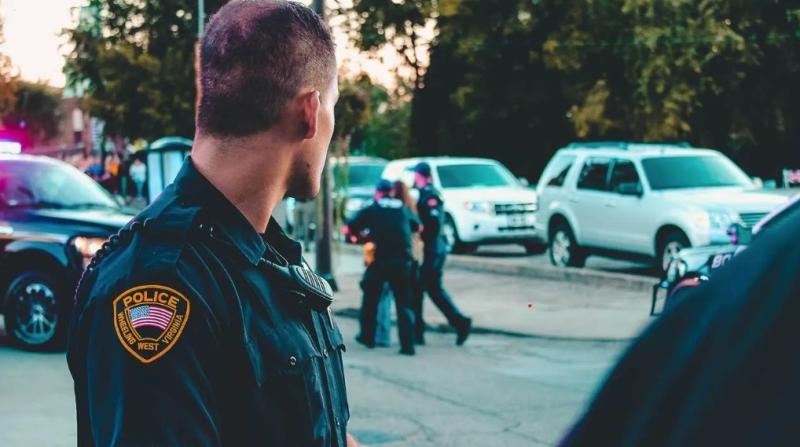
Tasers and other conducted electrical weapons (CEWs) were introduced as a nonlethal option for officers, but when used improperly, they can cause severe injury, lasting trauma, or even death. For victims and families in Victorville and across California, a civil rights lawsuit can be the pathway from being harmed to holding officers and agencies accountable. This guide explains when a taser may be unlawfully used, the legal tools available, key deadlines, what a Victorville Taser Abuse Attorney can do, and what victims should expect during a civil rights case.
What Counts as “Taser Abuse” — Legally Speaking
Taser abuse generally means the officer used a conducted electrical weapon in a way that exceeded lawful force. The U.S. Constitution, through the Fourth Amendment, limits the force officers can use during arrests or detentions; unreasonable or excessive force can form the basis of a federal civil rights claim under 42 U.S.C. § 1983. That statute allows people harmed by state actors to sue for deprivation of constitutional rights when the officer acted “under color of law.”
In practice, taser abuse claims arise when officers tase someone who is already handcuffed, someone clearly experiencing a medical or mental health crisis, a person who poses no immediate threat, or when repeated shocks are administered unnecessarily. Courts look at the totality of the circumstances — was the suspect violent or resisting, did the officer have alternatives, and were the actions objectively reasonable? Trusted, experienced civil rights lawyers will measure the facts against these legal standards.
The Legal Routes: Federal §1983, State Claims, and the Bane Act
Most lawsuits for taser abuse are brought under federal law (Section 1983) to recover damages for violations of constitutional rights. In California, plaintiffs may also bring parallel state-law claims such as assault and battery or use the California Civil Code (the Bane Act) to allege that officers interfered with rights by threats, intimidation, or coercion. A well-experienced Civil Rights Lawyer Victorville CA from James S. Terrell Law Office will evaluate both federal and state causes of action and decide the best strategy.
Qualified Immunity — The Common Hurdle
Officers often assert qualified immunity, a legal doctrine that shields government officials from liability unless they violated a “clearly established” constitutional right. Overcoming qualified immunity can be difficult; plaintiffs must show that an officer’s conduct was so clearly unconstitutional that any reasonable officer would have known it. Results-driven attorneys, such as those at James S. Terrell Law Office, prepare focused arguments and find controlling precedents to defeat this defense when appropriate.
Deadlines: Statute of Limitations and Timely Steps
Timing matters. Section 1983 actions in California typically borrow the state’s personal injury statute of limitations, which is usually two years from the incident (California Code of Civil Procedure § 335.1). That means victims must act quickly to preserve claims, evidence, and legal rights. A trusted local attorney can also advise about any separate administrative claims required when suing a government entity.
Real-World Examples (Case Studies)
-
California Taser Incident Involving a Medical Emergency
A California man who suffered a diabetic emergency was reportedly tasered multiple times and later filed suit alleging excessive force after video and medical evidence showed he was in medical distress, not intoxicated. This kind of case highlights how misreading a medical event can lead to unlawful force and a strong civil rights claim. -
High-Profile Taser Case in Alabama
Another example involved a man repeatedly tased while detained; the case resulted in a federal civil rights complaint seeking substantial damages for excessive force captured on video. These cases often leverage bodycam or bystander video to demonstrate what actually happened, strengthening plaintiffs’ claims.
Both examples show patterns seen nationwide: video evidence, medical records, and early legal action make a measurable difference in the ability to hold departments accountable.
What Damages and Remedies Can Plaintiffs Seek?
Victims may pursue compensatory damages (medical expenses, lost wages, pain and suffering), punitive damages (when officer conduct is malicious or reckless), and injunctive relief (changes to department policy or training). Plaintiffs can also seek attorney fees in some civil rights cases. An affordable yet experienced Victorville Taser Abuse Attorney will explain realistic outcomes based on injury severity and available evidence.
Evidence That Strengthens a Taser Abuse Case
-
Body-worn camera or squad-car footage showing the confrontation and force used
-
Bystander video (phone recordings)
-
Medical records documenting injuries, cardiac events, or other physical effects tied to taser shocks
-
Witness statements and police reports
-
Officer training records and the department’s taser-use policies (to show deviations from standard protocol)
Experienced counsel will move quickly to preserve video, secure medical records, and gather witness statements — the difference between a weak claim and a provable one.
Steps to Take Immediately After an Incident
-
Get medical attention — Your health is the priority; documented treatment is also critical evidence.
-
Preserve evidence — Keep any clothes, device records, and get names or contacts of witnesses.
-
Request bodycam footage — An attorney can issue preservation and public records requests to prevent deletion.
-
File complaints — Internal affairs complaints and administrative claims may be required before suing a government entity.
-
Contact a Victorville Taser Abuse Attorney — A local civil rights lawyer with experience in Section 1983 litigation can evaluate your claim and act within statutory deadlines.
What a Victorville Civil Rights Lawyer Will Do for You
A trusted, results-driven attorney will:
-
Evaluate whether the use of force was objectively unreasonable
-
Advise on both federal and state claims and the potential for municipal liability
-
File the necessary administrative claims and civil complaints before deadlines
-
Fight qualified immunity through targeted legal research and discovery
-
Negotiate settlements or litigate to trial, pursuing the best outcome for compensation and accountability
Local Victorville attorneys are familiar with regional courts and the unique challenges of suing law enforcement in San Bernardino County. Choosing an attorney with a proven track record can be decisive in complex cases.
What to Expect in the Courtroom and Timeline
Civil rights litigation can take months to years. Early phases include investigations, discovery (document and depositions), motions (often the qualified immunity motion), and possibly settlement discussions. Litigation timelines depend on complexity, number of defendants, and whether the case settles or proceeds to trial. A scalable, attorney-driven plan helps manage expectations and costs.
Final Thoughts: Accountability Starts With Action
When a taser is used unlawfully, victims deserve both medical redress and justice. A Victorville Taser Abuse Attorney or Civil Rights Lawyer Victorville CA from James S. Terrell Law Office can translate a traumatic encounter into a structured legal claim that seeks compensation and systemic reform. Acting promptly — documenting injuries, preserving evidence, and consulting skilled counsel — preserves legal options and increases the chance of meaningful results.
If you or a loved one experienced taser abuse, contact the James S. Terrell Law Office, a trusted and well-experienced civil rights law firm in Victorville, CA. Their proven, results-driven team is ready to help you understand your rights, confirm deadlines, and pursue justice against unlawful police conduct.
Post Your Ad Here
Comments