How Your Roofing Material Determines Repair Frequency in Lakeland, FL
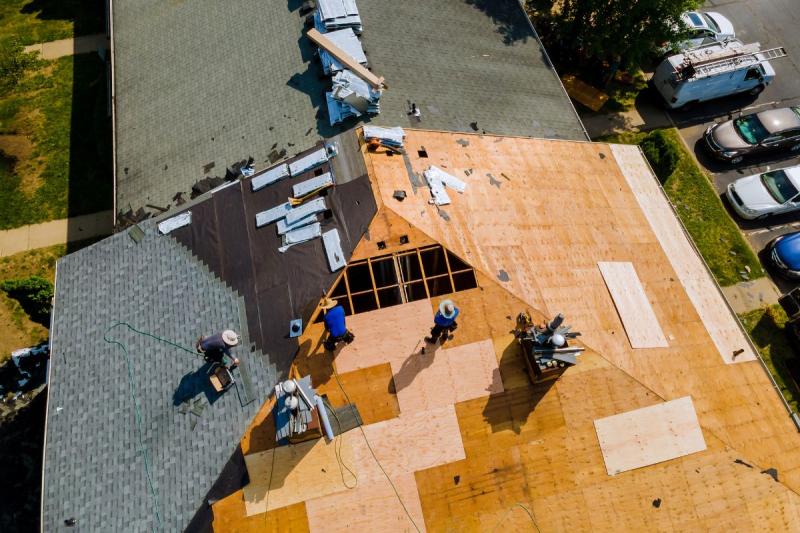
Choosing the right roofing material does more than shape curb appeal — it determines how often you’ll call a contractor, how much you’ll spend over the roof’s lifetime, and how well your building weathers Lakeland’s sun, storms, and humidity. This guide breaks down how common roofing materials behave in Central Florida, what triggers repairs, and how a Lakeland FL local roofing contractor evaluates and recommends the best option for your home or business.
Why Material Choice Matters More Than Many Homeowners Realize
Different roofing materials age and fail in different ways. Some show visible problems early (missing shingles, obvious leaks), while others develop hidden issues (membrane seam failure, trapped moisture) that can lead to expensive repairs if overlooked. Material affects:
-
Repair frequency — how often minor repairs are needed
-
Repair complexity — whether fixes are simple shingle replacements or require flashings, seam welding, or full system overlays
-
Total lifecycle cost — upfront installation plus predictable maintenance and repair costs over decades
Concrete facts about material lifespans and behavior inform these trade-offs. For example, metal roofs typically last far longer than asphalt shingles, while flat commercial membranes have different failure modes than steep-slope roofs.
Comparing Common Roofing Materials (and What That Means for Repairs)
Asphalt Shingles (Most Common Residential Choice)
-
Typical lifespan: 15–30 years depending on quality (standard vs. premium)
-
Common repair drivers: wind uplift, blown-off shingles, granule loss that speeds aging, flashing failures around vents and chimneys
-
Repair profile: Small repairs are inexpensive (replace shingles), but repeated patching on an old roof often leaves uneven protection and can lead to decking rot
Because asphalt ages faster in intense sun and high temperatures, shingle roofs in Lakeland often need attention sooner than in cooler climates.
Metal Roofing
-
Typical lifespan: 40–70+ years depending on material
-
Common repair drivers: loose fasteners, seam issues on standing-seam systems, corrosion, and denting from hail
-
Repair profile: Repairs are often more technical (panel realignment, fastener replacement, resealing seams), but overall frequency is lower
Over time, metal’s durability can lower lifecycle repair costs despite higher installation prices.
Tile and Slate Roofing
-
Typical lifespan: 50–100+ years (clay, concrete, or stone)
-
Common repair drivers: cracked or broken tiles from impact, underlayment failure, and flashing issues
-
Repair profile: Individual tiles are easy to swap, but underlayment failures beneath tile can lead to larger repairs
Proper installation and underlayment selection are essential to minimize costly interventions later.
Single-Ply Membranes (EPDM, TPO, PVC) for Commercial Roofs
-
Typical lifespan: EPDM (20–30 years), TPO (15–25 years), PVC (20–30 years)
-
Common repair drivers: seam separation, punctures, ponding water that shortens material life, and poor flashing/wall transitions
-
Repair profile: Patching seams and welding membranes are common repairs, but when underlayment or insulation gets wet, issues escalate quickly
Choosing the right membrane for Lakeland’s UV and weather conditions, plus ensuring proper drainage, is crucial to reducing Commercial Roof Repair Lakeland FL costs over time.
Lakeland, FL — Climate Realities That Change Repair Needs
Lakeland’s subtropical climate accelerates specific failure modes:
-
High humidity and heavy seasonal rains raise the risk of mold, algae, and trapped moisture under shingles and membranes.
-
Extreme heat and intense UV cause accelerated aging for asphalt-based products, leading to brittleness and granule loss.
-
Wind and storm exposure increases the chance of uplift and fastener failure, especially on older or poorly attached systems.
These local factors mean that materials suitable in milder climates often demand more frequent repairs in Lakeland or require upgraded installation standards such as higher wind clips and reflective coatings.
How Roofing Material Determines the Common Repair Types You’ll See
-
Shingle roofs: patching or replacing missing shingles, fixing flashings, or repairing roof decking
-
Metal roofs: replacing fasteners, re-sealing seams and penetrations, addressing corrosion or panel damage
-
Tile/slate roofs: replacing broken tiles, addressing underlayment or flashing failures
-
Single-ply commercial membranes: welding seams, patching punctures, fixing drainage or ponding problems
A trusted Lakeland FL local roofing contractor will not only repair visible damage but also inspect the underlayment and flashing — since the same issue can have different underlying causes depending on the material.
Case Study: Commercial Roof Repair Success in Central Florida
A large commercial property in Central Florida faced recurring leaks on an aging flat roof. After several patch jobs failed, the owner partnered with a professional Commercial Roof Repair Lakeland FL company to assess the problem.
The roofing team discovered widespread seam separation and saturated insulation beneath the old membrane. They recommended replacing the system with a single-ply TPO roof, improving drainage and insulation continuity.
Results:
-
The project was completed ahead of schedule.
-
The new system reduced cooling costs by improving reflectivity.
-
Annual maintenance needs dropped by nearly 70%.
This case demonstrates that recurring repairs often signal a systemic issue — and sometimes, full replacement delivers better long-term savings and fewer disruptions.
How Contractors Decide the Best Roofing Material for You
When evaluating a roof, a Lakeland FL local roofing contractor typically asks:
-
What material is currently installed and how old is it?
-
Is there a history of leaks or repeated repairs?
-
What’s the slope and drainage condition of the roof?
-
What’s the priority — lowest upfront cost, minimal long-term maintenance, or maximum lifespan?
-
Is energy efficiency or reflectivity a factor?
A reliable contractor balances all these factors with local building codes and weather exposure to recommend the most cost-effective material.
Practical Tips to Reduce Future Repairs
-
Choose materials suited to your roof’s slope and use: avoid shingle roofs on flat sections and ensure correct membrane type for commercial buildings.
-
Invest in quality underlayment and flashings: many leaks start from these hidden layers, not the surface material.
-
Design for proper drainage: standing water shortens roof life dramatically.
-
Select wind-rated systems: Lakeland’s storm exposure demands higher fastening standards.
-
Schedule regular inspections: annual or biannual checks help prevent minor problems from turning major.
When Repairs Become Replacement
-
Age and lifespan: when nearing the end of expected service life, replacement is often smarter than repeated patching.
-
Repair frequency: multiple fixes in a short span usually indicate underlying deterioration.
-
Hidden moisture or rot: soaked insulation or decking means surface repairs won’t last.
-
Operational needs: commercial properties that can’t afford downtime often opt for a durable new system under warranty.
Working with a Commercial Roof Repair Lakeland FL specialist helps determine whether repair or replacement offers the best long-term value.
FAQs
Q: Does a more expensive roof mean fewer repairs?
A: Not always. Proper installation and climate suitability matter more than material price alone.
Q: How often should I get my roof inspected?
A: At least once a year, and after major storms. Commercial roofs benefit from inspections twice a year.
Q: What roofing material lasts longest in Lakeland’s climate?
A: Metal and premium single-ply membranes (like TPO or PVC) typically provide the best durability against UV and humidity.
Conclusion
Your roofing material determines how often you’ll need repairs, how those repairs are done, and how long your roof will protect your property. In Lakeland, FL, where heat, humidity, and storms test every structure, choosing the right material and working with a trusted Lakeland FL local roofing contractor like Feichtel Roofing of Lakeland is the key to minimizing long-term costs.
For businesses, partnering with Feichtel Roofing of Lakeland, an experienced Commercial Roof Repair Lakeland FL company, ensures durability, energy efficiency, and peace of mind year after year.
Post Your Ad Here
Comments