Lower Your Cooling Costs: The Case for Routine HVAC Care
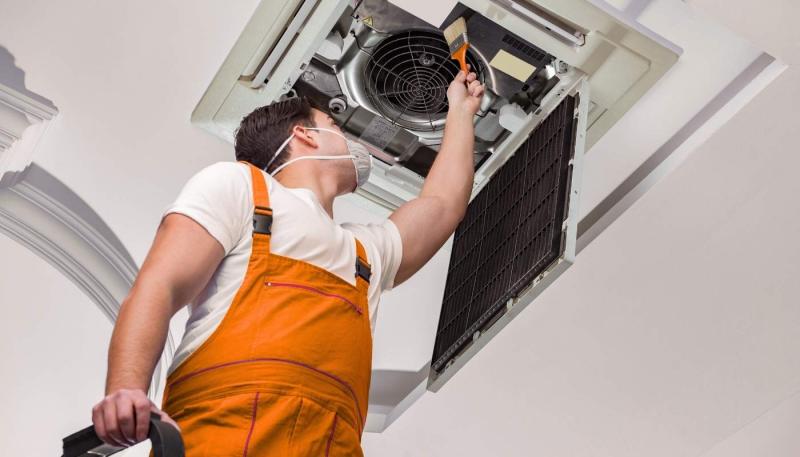
A well-cared-for air conditioning system doesn’t just keep you comfortable — it costs less to run. For homeowners and property managers, small, regular investments in routine HVAC tune-ups translate into measurable energy savings, fewer emergency repairs, and a longer-lasting system. This guide explains exactly how maintenance lowers energy bills, what tasks matter most, and how often to call a trusted HVAC contractor so you get the best, most reliable performance from your system.
How Maintenance Affects Efficiency — The Big Picture
HVAC systems are responsible for a surprisingly large share of home energy use. When components get dirty, refrigerant levels drift, or airflow is restricted, the system must work harder and run longer to deliver the same comfort — and that extra work shows up as higher utility bills. Routine maintenance focuses on restoring proper airflow, lubrication, refrigerant charge, controls, and heat-exchange surfaces so the system operates near its design efficiency. Energy experts estimate that proper HVAC upkeep can reduce energy use in many homes by roughly 5–15%.
The Key Maintenance Tasks That Save You Money
Not all maintenance tasks are equal. Here are the high-impact items that reduce energy consumption and prevent costly failures:
-
Replace or clean filters regularly. A clogged filter restricts airflow and forces the blower and compressor to run longer. Replacing filters on schedule often yields immediate, low-cost improvements in efficiency.
-
Clean evaporator and condenser coils. Dirt on coils reduces heat transfer, so the system must run longer to reach the set temperature. Professional coil cleaning restores airflow and heat exchange, which can improve performance significantly.
-
Check and correct refrigerant charge and controls. An undercharged or overcharged system operates inefficiently. Proper charge and calibrated controls put the unit back to design efficiency and reduce run-time.
-
Inspect and seal ductwork. Leaky ducts can lose 20–30% or more of conditioned air, especially in unconditioned spaces; sealing ducts returns that lost efficiency directly to your bills.
-
Lubricate moving parts and check belts/motors. Worn belts or poorly lubricated bearings increase motor load and energy use; correcting these small issues preserves efficiency.
-
Verify thermostat operation and recommend smart upgrades. A programmable or smart thermostat can reduce cooling runtime and cut cooling costs when used correctly.
How Much Can You Realistically Save?
Numbers vary with climate, house size, local electricity rates, and the condition of the system, but you can quantify typical savings with conservative examples.
Example: If a household’s cooling costs average $150/month in summer, and routine maintenance restores 10% efficiency (well within the commonly cited 5–15% range), that’s roughly $15/month — $180/year — saved on energy alone. If maintenance prevents one significant repair or delays system replacement, the total financial benefit multiplies. Homeowners with older or poorly maintained systems often see even larger savings.
A Practical (Local) Case Example
Consider a homeowner in the Cedarburg area who schedules professional spring and fall tune-ups with a local HVAC contractor. During the spring visit, the contractor replaces the filter, cleans the condenser coil, checks refrigerant, and seals a 10% duct leak. The homeowner notices shorter run times during July and August, and their monthly cooling bill drops from $160 to $140 — about a 12.5% reduction. Over a cooling season, that adds up to several hundred dollars saved, paid back many times over compared with the modest cost of twice-yearly maintenance.
Why Preventive Maintenance Beats Emergency Fixes
Emergency repairs are not only expensive; they usually happen at the system’s least efficient moments — when it’s old, dirty, or suffering from a failed component. Regular service finds small problems (loose electrical connections, low refrigerant, worn belts) before they cascade into failures. Preventive maintenance is results-driven and cost-effective: small annual fees for inspections and tune-ups protect the larger investment in your HVAC system and deliver predictable, user-friendly comfort.
How Often Should You Schedule Maintenance?
The typical recommendation for residential systems is twice a year — once in spring (pre-cooling season) and once in fall (pre-heating season) — while at minimum, an annual professional tune-up is essential. High-use systems, older equipment, or homes with pets and dusty environments may benefit from more frequent filter changes and quarterly checks. The right frequency balances affordability with measurable efficiency gains.
How to Pick the Right HVAC Contractor
When you hire an HVAC contractor, look for an experienced, trusted, and top-rated company that offers a clear maintenance checklist and transparent pricing. Ask for:
-
A written scope of work for each visit (filters, coils, refrigerant checks, electrical inspection, airflow measurements).
-
Proof of licensing and insurance.
-
References or local reviews showing reliable, industry-leading service.
-
Memberships or certifications (NATE, NADCA) and customer testimonials that show proven performance.
A reliable contractor will recommend only the services you need, explain energy-savings tradeoffs (for example, when a system is old enough to consider replacement versus repair), and provide a user-friendly maintenance plan tailored to your budget.
Long-Term Benefits Beyond the Monthly Bill
Regular maintenance does more than lower energy costs now:
-
Longer equipment life. Components that run smoothly wear less and last longer, delaying the significant cost of replacement.
-
Better indoor air quality. Clean filters and ducts reduce dust, allergens, and pollutants.
-
Fewer emergency repairs. Predictable costs replace crisis spending.
-
Easier budgeting. Maintenance plans and annual checks turn an unpredictable expense into a manageable line item.
These outcomes support an affordable, scalable, and results-driven approach to home comfort that many homeowners find attractive.
Quick Checklist for Your Next Service Visit
-
Replace filters every 1–3 months (or per technician guidance).
-
Schedule professional tune-ups at least once a year; ideally twice (spring/fall).
-
Ask for duct inspection and sealing if your home has crawlspaces, attics, or long duct runs.
-
Request airflow and refrigerant charge measurements — not just a visual inspection.
-
Compare recommended repairs to expected efficiency gains to decide between repair and replacement.
Final Thoughts
Regular AC maintenance is one of the most cost-effective ways to cut cooling bills, improve comfort, and protect your HVAC investment. Small, affordable steps — clean filters, coil cleaning, duct sealing, and professional tune-ups — add up to top-rated efficiency and lower bills over time. Working with a trusted HVAC contractor like Champion Air Mechanical who provides industry-leading service and clear, results-driven recommendations is the best path to consistent savings.
If you’re in the Cedarburg area, investing in HVAC Services Cedarburg WI is the smart move to ensure your system remains energy-efficient year-round. Finding a well-experienced contractor who acts as a proven partner to keep your system high-performance pays off every summer and winter.
Post Your Ad Here
Comments