10 Red Flags To Watch for During Fire Water Tank Inspections
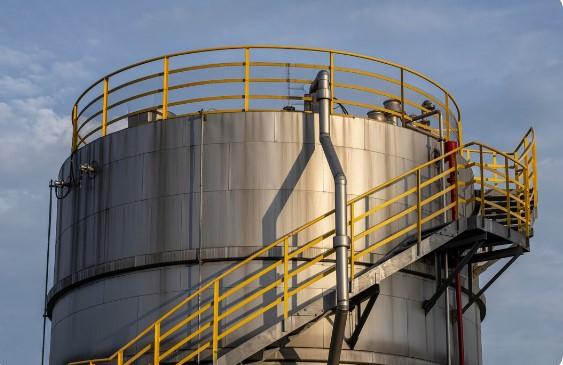
When it comes to protecting lives and property, your fire water tank is the silent hero waiting in the background. It is the last line of defense in case of fire strike but only when it is in a good condition. Most facility managers believe that a tank is installed, and it will always be ready to use. As a matter of fact, even minor problems may silently escalate to serious safety threats unless the Fire Water Tank Inspections is done on a regular basis.
Are they in an apartment complex, a warehouse or an office building, these are the red flags to watch next time you do an inspection before it becomes a costly or even a fatal surprise.
1. Visible Corrosion or Rust
In case you notice rust spots, peeling paint and pitted metal, then your tank might be corroding internally. Corrosion undermines the structural integrity and may result in leakages or even tank rupture in case of emergency. The rust can be dealt with at the initial stage by maintenance or replacement of the lining to avoid expensive repairs in the future.
2. Sediment or Sludge at the Bottom
With passage of time, the bottom of tanks is covered with dirt, rust flakes, and the growth of microorganisms. This accumulation does not only decrease the storage capacity, but it may block fire pumps or sprinklers. The frequent cleaning process of the fire tanks during the checks also keeps the water flowing at the right time.
3. Low or Inconsistent Water Levels
A tank that does not fill up might have a leak in it, broken float valve or a plumbing problem. Inequalities in levels undermine fire preparedness. Always test automatic refilling systems and check gauges on a regular basis every time a tank is checked.
4. Leaks Around Joints or Valves
When water drips or puddles in the area below the tank, these are never positive. Even a slow leak implies the loss of pressure and its possible contamination. In the majority of instances, the leakage is aggravated with time-span and hence it is imperative to repair it immediately when it is identified and not when there is an emergency.
5. Damaged or Loose Fittings
Examine access hatches, bolts and nozzles. Missing or loose fittings may permit contamination of the water or may reduce the pressure of the tank. When inspecting fire tanks, ensure that all the fittings are fixed and that the gaskets are sealing.
6. Unusual Odor or Water Discoloration
The water that appears hazy or has a foul odor may be a symptom of bacterial development, contamination, or chemical disproportion. Such conditions have the ability to erode metal surfaces and decrease the life of the tank. Water quality testing is done regularly so as to ensure that its storage remains safe.
7. Cracked or Bulging Tank Walls
Any protrusion, depression or any apparent crack is a severe warning sign. They are usually the symptoms of structural fatigue or internal pressure issues. When the shape of the tank does not appear to be normal, then make a professional evaluation and ensure that it is done immediately because safety is at stake.
8. Faulty Level Sensors or Gauges
When the indicator is full yet the tank is not or the reverse, then your monitoring system might not be very reliable. Malfunctioning gauges may result into severe delays in refilling or early alarms. Make sure that sensors are adjusted appropriately when inspecting fire water tanks.
9. Overgrown Surroundings or Poor Access
One can forget about the space around the tank, yet bushes, trash, or padlocked gates can slow down emergency workers or maintenance. Make the environment clean and open. It is also easier to identify leakages or corrosion at an early stage due to good visibility.
10. Lack of Regular Maintenance Records
The red flag that has been least considered is perhaps not physical but administrative. The lack of inspection logs or the old version makes it difficult to monitor performance and find out the common issues. Proper records make accountability and ease in the future fire tank inspection.
Staying Ahead of Safety Risks
The inspections of the fire water tanks are not a mere check box requirement in the regulations as they are a vital part of the building safety. A tank that is not taken care of can break down at the time you need it, whereas one that is well maintained will be able to offer you a long lasting security.
Repairs, storms or prolonged dry spells should also mean that inspections are done by qualified professionals at least once a year after which further checks are done. In some places such as Sydney, there might be local regulations on the frequency and standard of fire tank inspection, and therefore being in compliance with these regulations implies being safe.
Watching these red flags, scheduling inspections, and keeping good records is all that can be done in advance to ensure that a system that works in the real world is not a failure in times of stress.
Post Your Ad Here
Comments