Why Underwater Dam Checks Are Key to Safety and Sustainability?
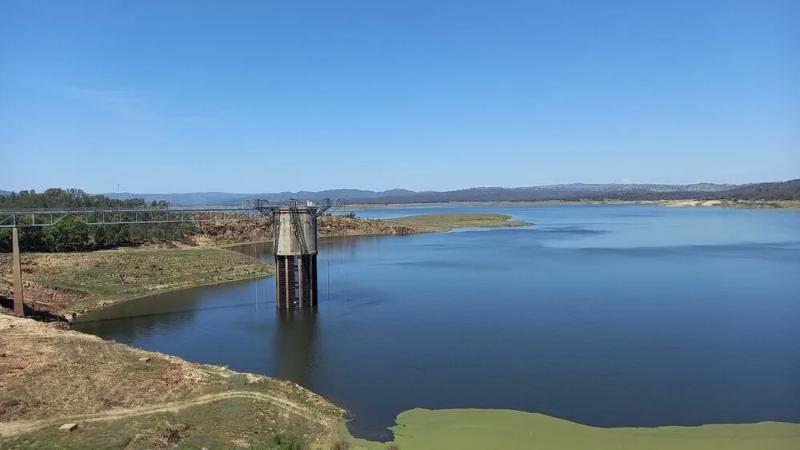
Nothing is more important to the infrastructure that supports flood control, energy production, and water supply than the condition of our dams. Underwater Dam Inspection is an important procedure to guarantee that these huge structures continue to be:
Secure
Effective, and
Functional without requiring expensive or risky dewatering.
Inspections are now more accurate, accessible, and effective. It is all because of the development of innovative equipment like dam inspection ROVs. What actually arises beneath the surface, though? Let’s begin.
The Importance of Underwater Dam Inspection.
Underwater Dam Inspection is crucial in order to detect the following:
Sediment accumulation,
Erosion,
Structural flaws, and
Damage brought on by time or environmental factors.
Since most of a dam’s structure is submerged, preventive maintenance relies heavily on optical and sonar-based inspections.
Conventional inspection techniques frequently involved sending divers into dangerous situations or emptying the dam. But we can now perform comprehensive, safe inspections with no interruption. It is possible all because of today’s remotely operated vehicles (ROVs).
From early crack detection to looking for invasive aquatic species or mechanical wear, dam and reservoir inspections assist avert catastrophic collapses. Furthermore, it could also jeopardise the following:
Ecosystems
Property, and
Human lives
How ROV Technology is Revolutionising Underwater Dam Inspection
ROV is also termed as remotely operated vehicles. This innovative technology is transforming Underwater Dam Inspection. Go through the sections below to comprehend dam inspection ROVs. The process of inspection and why it is gaining momentum across Australia.
What are Dam Inspection ROVs?
Underwater robots with mechanical arms, sonar systems, and high-resolution cameras are known as Dam Inspection remotely operated vehicles, or ROVs. These gadgets are made to endure pressure and maneuver through tight spaces. Moreover, it also helps in providing comprehensive data and visual reports from locations that are unsafe for human divers to locate.
The Process of Tank and Dam ROV Inspection
The ROV is sent into the water and navigates to examine the internal and external dam structure during a tank and dam ROV inspection. It is guided by operators above the surface who use real-time video feeds to record footage, measurements, and sonar imagery.
This technique works especially well for checking retaining walls, input towers, valves, and underwater gates. In addition to lowering inspection expenses and downtime, ROVs remove the dangers connected with human diving.
Why ROV Inspections Across Australia Are Gaining Momentum
With growing infrastructure and environmental challenges, ROV inspections across Australia are now a go-to solution for
water authorities,
councils, and
private dam owners.
The ability to deploy ROVs in remote or difficult terrains makes this a preferred choice across both urban and rural regions.
Australia’s vast network of reservoirs and hydro assets demands regular inspections and the efficiency of ROV technology is meeting this demand with precision and safety.
Final Words
Regular Underwater Dam Inspection is now required; it is no longer an option. Organizations may perform safer, quicker, and more comprehensive dam and reservoir inspections by utilizing modern technologies like dam inspection ROVs.
The benefits are obvious: lower risk, more insight, and proactive asset management, whether you're doing a standard ROV inspection of a tank or dam or one of the increasing number of ROV inspections conducted throughout Australia.
Future sustainability will rely heavily on intelligent inspection techniques as water infrastructure ages and climate demands rise. Because what you cannot see can harm you, be sure your dam is sturdy beneath the surface.
Post Your Ad Here
Comments