How ROV Technology Is Revolutionizing Tank Cleaning and Maintenance
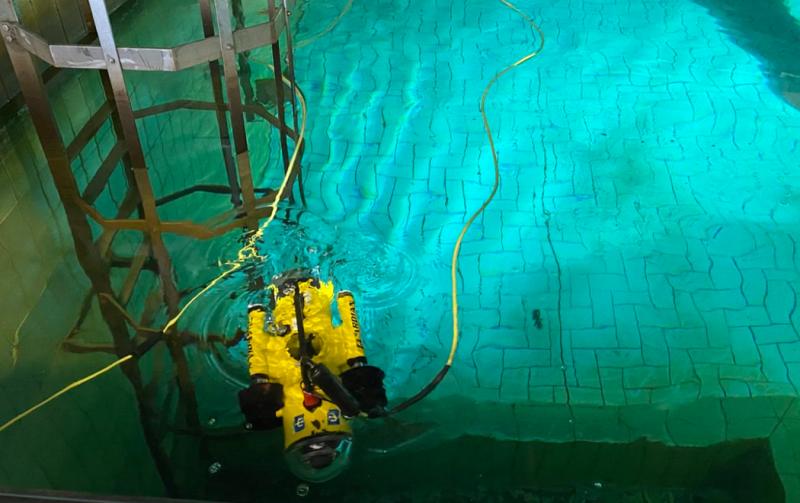
Ever ask yourself how workers clean huge water tanks all the way to the bottom without having to drain all of the water out? Enter ROV technology, a clever solution that’s transforming how we approach tank maintenance, repairs, and inspections. Genetic modification isn’t an idea from fiction; it’s solid and proven engineering.
In this article, we explain what ROVs are and how they are making a difference.
ROVs are robots that water storage tanks can submerge to safely perform several tasks. Conceptualize them the same way you would an underwater drone meant for water infrastructure. Unlike traditional tank cleaning methods that require full drainage (costly, time-consuming, and wasteful), Water Maintenance ROVs do their job while the tank remains in service—no interruption, no downtime.
As a result, ROVs help a lot in environments where service outages or compromised clean water would be serious such as at big facilities.
Various Uses: Cleaning is Only One Set of Functions
ROVs are being put to work in many different settings these days.
ROV Tank Cleaning and Repairs: These robots are equipped with brushes and vacuums to safely remove sediment, algae, and other debris from the tank floor and walls. Advanced models can also deal with small repairs such as patching up liner tears.
Routine Tank Maintenance: ROVs help reduce the need for human entry, making the entire process safer and more efficient. An operator uses video feeds and the robot’s controls to maintain an eye on what’s happening as it works.
Water Storage Inspections: With onboard cameras and sensors, ROVs provide a detailed visual record of a tank’s interior, capturing issues like corrosion, pitting, or structural weaknesses before they become critical.
With so Many Applications: Wherever you use ROVs—in city water reservoirs, industry process plants or food storage—the right one can be found.
How the Technology Works
Most Water Maintenance ROVs feature compact bodies equipped with high-definition cameras, LED lighting, and tank-safe cleaning tools. Most systems now rely on tethers for power and communication, so control can happen in real time above the surface.
When cleaning, the heads gently lift layers of soil without raising too much water—very important for working in drinkable systems. When inspecting, robotic arms or sonar accessories allow robots to see and access areas that are out of human divers’ reach.
Why it matters
Using ROVs in your water infrastructure saves lives, increases water cleanliness and cuts down on repair and maintenance costs a great deal. Also, they allow workers to stay out of tightly enclosed and flooded areas—this increases everyone’s safety.
As ROV technology continues to evolve, expect these machines to play an even bigger role in proactive, efficient tank maintenance across industries. With
water preservation and uninterrupted running vital now such tools are more important than ever.
Post Your Ad Here
Comments